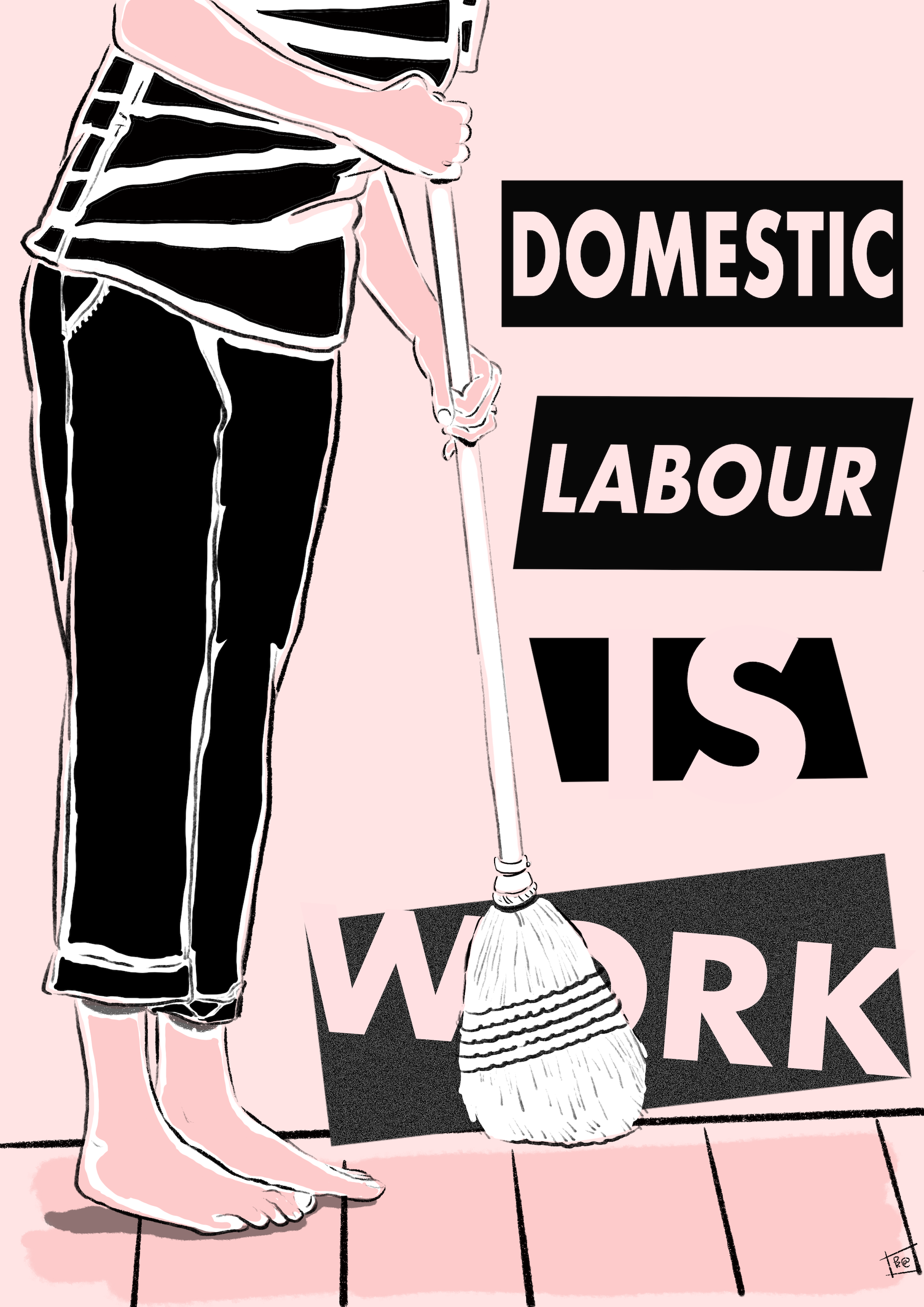
Your periodical reminder that all clothing is hand made by humans, usually underpaid
Uncategorized
7
Posts
3
Posters
20
Views
-
Your periodical reminder that all clothing is hand made by humans, usually underpaid!
Polyester doesn't breathe and sheds microplastics when manufactured, worn and washed!
Cotton farming takes immense amounts of water and pesticides!
Viscose can be made from recycled fibres & waste cellulose, but it's a fairly toxic process!
Linen is more ecological to grow but expensive!"But what do I wear then, Sini?"
The garments you already own, until they fall apart or someone else needs them!
#Sustainability #FastFashion #WorkersRights -
Your periodical reminder that all clothing is hand made by humans, usually underpaid!
Polyester doesn't breathe and sheds microplastics when manufactured, worn and washed!
Cotton farming takes immense amounts of water and pesticides!
Viscose can be made from recycled fibres & waste cellulose, but it's a fairly toxic process!
Linen is more ecological to grow but expensive!"But what do I wear then, Sini?"
The garments you already own, until they fall apart or someone else needs them!
#Sustainability #FastFashion #WorkersRightsMore granular data:
There are some garment making processes that can be automated most or all the way through, like knitwear and socks, but most will still be finished, assembled and/or packed by hand. Crochet is always human work.
Wool is pretty good to wear and when certified and from a good source, can be pretty sustainable if you wear it until it stops existing. This can take decades. Yarn can be recycled, mending is great!
There are fabric recycling initiatives, but the best option is to not buy it if you don't need it. Secondhand is more expensive than it used to be, but you can find older, better quality garments than the crap of today! -
More granular data:
There are some garment making processes that can be automated most or all the way through, like knitwear and socks, but most will still be finished, assembled and/or packed by hand. Crochet is always human work.
Wool is pretty good to wear and when certified and from a good source, can be pretty sustainable if you wear it until it stops existing. This can take decades. Yarn can be recycled, mending is great!
There are fabric recycling initiatives, but the best option is to not buy it if you don't need it. Secondhand is more expensive than it used to be, but you can find older, better quality garments than the crap of today!I do also have a bunch of laundry tips and opinions in me, but unsure if there's an audience for that. 😂
-
I do also have a bunch of laundry tips and opinions in me, but unsure if there's an audience for that. 😂
Laundry tips and opinions which were requested:
Using fabric softener will make cotton feel clammy and greasy, and give it a mildewy smell. Fabric conditioning helps with staticky plastic fibres but isn't necessary for natural fibres! Just wash without. Never put it on towels, it stops their absorption powers. You can use a little bit of vinegar instead of fabric softener, it will have a mild smell when wet, dries odourless.
Line drying is less wear on clothes than dryer but live your life if you have no place to dry them!
Bedding needs to be washed super hot occasionally! Towels, too!
If your shirts smell terrible because you've been sweating into them, soak them in the sink with a cup of vinegar in room temperature water, rinse, wash normally. This kills a lot of mildew and helps break apart organic residue.
Liquid laundry detergent is silly! Just get detergent in powder form, you're spared the plastic bottles and no heavy liquids are ferried around.
Soap nuts are great if you're allergic to everything but soap nuts. They're not even nuts and are compostable!A lot of the washing instructions are LIES. You can literally boil 100% cotton and it's fine! You'd be amazed how much dry clean only is not! Polyester and cotton will be just dandy in 60 Celsius - the manufacturers play it safe because some dyes fade in hotter temps. Cheaply made clothes may shrink, but if it's stinky, take the risk!
-
Laundry tips and opinions which were requested:
Using fabric softener will make cotton feel clammy and greasy, and give it a mildewy smell. Fabric conditioning helps with staticky plastic fibres but isn't necessary for natural fibres! Just wash without. Never put it on towels, it stops their absorption powers. You can use a little bit of vinegar instead of fabric softener, it will have a mild smell when wet, dries odourless.
Line drying is less wear on clothes than dryer but live your life if you have no place to dry them!
Bedding needs to be washed super hot occasionally! Towels, too!
If your shirts smell terrible because you've been sweating into them, soak them in the sink with a cup of vinegar in room temperature water, rinse, wash normally. This kills a lot of mildew and helps break apart organic residue.
Liquid laundry detergent is silly! Just get detergent in powder form, you're spared the plastic bottles and no heavy liquids are ferried around.
Soap nuts are great if you're allergic to everything but soap nuts. They're not even nuts and are compostable!A lot of the washing instructions are LIES. You can literally boil 100% cotton and it's fine! You'd be amazed how much dry clean only is not! Polyester and cotton will be just dandy in 60 Celsius - the manufacturers play it safe because some dyes fade in hotter temps. Cheaply made clothes may shrink, but if it's stinky, take the risk!
@sinituulia (linen *will* shrink if you wash it too hot tho!)
-
@sinituulia (linen *will* shrink if you wash it too hot tho!)
@fay Ideally the linen would have been washed hot enough before the garment or other textile was made so the shrinking had happened beforehand, but yeah, it will skrinkle up in the wash no matter what and appear optically smaller even if it has been properly pre-shrunk. Stonewashed and pre-washed are terms you can find in linen fabrics when buying them, and really it's a VERY cut corner if it hasn't been pre-shrunk before it was sewn in a garment you buy...
I sew and wear a huge amount of linen and then spend a good while after each wash ironing it again, and often pretty much boil it in 70C if it seems to need it and it doesn't shrink because I washed it hot before I made it. 😄
-
@fay Ideally the linen would have been washed hot enough before the garment or other textile was made so the shrinking had happened beforehand, but yeah, it will skrinkle up in the wash no matter what and appear optically smaller even if it has been properly pre-shrunk. Stonewashed and pre-washed are terms you can find in linen fabrics when buying them, and really it's a VERY cut corner if it hasn't been pre-shrunk before it was sewn in a garment you buy...
I sew and wear a huge amount of linen and then spend a good while after each wash ironing it again, and often pretty much boil it in 70C if it seems to need it and it doesn't shrink because I washed it hot before I made it. 😄
@sinituulia @fay and if the label on a linen garment says dry clean only and it's not a heavily structured garment like a tailored jacket, I'd say “run away (screaming optional) because they have definitely cut corners.



Gli ultimi otto messaggi ricevuti dalla Federazione
-
@DigiDavidex chissà quante brugole vale
-
Like when I was doing this a lot, I paid for Workstation Pro and Player Pro, but even those are an unmitigated shit show now.
-
How the hell did running a desktop VM go from incredibly simple to a fucking nightmare? Running a Windows VM on a Linux host used to be like: choose VM tool, install VM tool, pick CPU/RAM/DISK limits, boot an ISO
Every single desktop VM tool seems to have gotten much more complicated to set up and use, and I’m not seeing any benefit I get in exchange for that.
-
Questa è la storia di 4 persone che si chiamano Ognuno,Qualcuno,Ciascuno, Nessuno.C'era un lavoro urgente da fare e Ognuno era sicuro che Qualcuno lo avrebbe fatto.Ciascuno avrebbe potuto farlo,ma Nessuno lo fece.Finì che Ciascuno incolpò Qualcuno perché Nessuno fece ciò che Ognuno avrebbe potuto fare. 😁
-
@mora @quinta @mariosiniscalchi domandatevi con quale qualità e conseguenze sopravvive un culto che si concentra sui predicatori e non su una dottrina uniformata
-
Belated Christmas gift, a signed poster from an exhibit in Toledo. I love this! Need to get it framed and up in the studio. #art #inspiration #poster
-
@lakelady I followed along in the notes!
-
@ilarioq @economia sempre in Cina le fanno 😂. Non so ma, x fare un esempio, sulla Volvo EX30 montano in base all'allestimento, 2 tipi di batteria diverse: LFP (al litio-ferro-fosfato) e NCM (al nickel-manganese-cobalto). In ogni caso tra un mese, un anno, un decennio la tecnologia sarà migliorata e i numeri di oggi non avranno + valore