I don't know how well this puzzle will translate to a toot.
Uncategorized
67
Posts
32
Posters
351
Views
-
I don't know how well this puzzle will translate to a toot. Imagine each line is on a card:
□□▷
□□□
■■
■
□■
□▷▣
▣
□▣
■▷
■▣
▣▷
□□■
□▷
▣▣
□□
□
▣□
□□▣
■□
▷
□▷□
□▷■
▣■
□▷▷Put them in order.
(The 5th graders could do it, but they did have a helpful example first... There may be more than one solution, but I think there is ONE really good order. Can you find it?)(I should also mention that every adult I've shown this to gives up. But I only showed it to two rather grouchy teachers.)
@futurebird
□
□□
□□□
□□■
□□▣
□□▷
□■
□▣
□▷
□▷□
□▷■
□▷▣
□▷▷
■
■□
■■
■▣
■▷
▣
▣□
▣■
▣▣
▣▷
▷ -
I don't know how well this puzzle will translate to a toot. Imagine each line is on a card:
□□▷
□□□
■■
■
□■
□▷▣
▣
□▣
■▷
■▣
▣▷
□□■
□▷
▣▣
□□
□
▣□
□□▣
■□
▷
□▷□
□▷■
▣■
□▷▷Put them in order.
(The 5th graders could do it, but they did have a helpful example first... There may be more than one solution, but I think there is ONE really good order. Can you find it?)(I should also mention that every adult I've shown this to gives up. But I only showed it to two rather grouchy teachers.)
I don't see a way to determine if ■ is two or three, and ▣ is whichever of those that ■ is not. ▷ is zero. □ is one. Thus, depending on how you assign the two filled-in squares, the order is either
▷
□
■
▣
□ ▷
□ □
□ ■
□ ▣
■ ▷
■ □
■ ■
■ ▣
▣ ▷
▣ □
▣ ■
▣ ▣
□ ▷ ▷
□ ▷ □
□ ▷ ■
□ ▷ ▣
□ □ ▷
□ □ □
□ □ ■
□ □ ▣or
▷
□
▣
■
□ ▷
□ □
□ ▣
□ ■
▣ ▷
▣ □
▣ ▣
▣ ■
■ ▷
■ □
■ ▣
■ ■
□ ▷ ▷
□ ▷ □
□ ▷ ▣
□ ▷ ■
□ □ ▷
□ □ □
□ □ ▣
□ □ ■I suspect the ordering of ■ and ▣ is arbitrary given that □ is definitely 1, which makes them all somewhat out of order if we consider the unicode values.
▷ 25b7
□ 25a1
■ 25a0
▣ 25a3I like patterns. Thank you again.
-
I don't know how well this puzzle will translate to a toot. Imagine each line is on a card:
□□▷
□□□
■■
■
□■
□▷▣
▣
□▣
■▷
■▣
▣▷
□□■
□▷
▣▣
□□
□
▣□
□□▣
■□
▷
□▷□
□▷■
▣■
□▷▷Put them in order.
(The 5th graders could do it, but they did have a helpful example first... There may be more than one solution, but I think there is ONE really good order. Can you find it?)(I should also mention that every adult I've shown this to gives up. But I only showed it to two rather grouchy teachers.)
@futurebird ▷ 001
□ 002
▣ 003
■ 004
□▷ 021
□□ 022
□▣ 023
□■ 024
▣▷ 031
▣□ 032
▣▣ 033
▣■ 034
■▷ 041
■□ 042
■▣ 043
■■ 044
□▷▷ 211
□▷□ 212
□▷▣ 213
□▷■ 214
□□▷ 221
□□□ 222
□□▣ 223
□□■ 224 -
I don't know how well this puzzle will translate to a toot. Imagine each line is on a card:
□□▷
□□□
■■
■
□■
□▷▣
▣
□▣
■▷
■▣
▣▷
□□■
□▷
▣▣
□□
□
▣□
□□▣
■□
▷
□▷□
□▷■
▣■
□▷▷Put them in order.
(The 5th graders could do it, but they did have a helpful example first... There may be more than one solution, but I think there is ONE really good order. Can you find it?)(I should also mention that every adult I've shown this to gives up. But I only showed it to two rather grouchy teachers.)
@futurebird I'm an adult, and this looks like numbers to me. There are only four letters and too many combinations made of these letters, so it's unlikely that they are words rather than numbers in base-4. (Words written with alphabet typically have much more redundant encoding with much fewer allowed combinations)
There are four single-character numbers and 12 two-character, with all possible combinations of the characters except the leading triangle in two-character numbers, no language behaves like that.
None of the numbers (besides single-character triangle) start with triangle, so I'd guess that's 0 and they're written in the same direction as our Arabic numerals. And another guess is that the list is a contiguous chunk of numbers (because at least it contains all numbers from 0 to 15)
All three-digit numbers start with empty square, so I'd guess that's 1.
All three-digit numbers start with either 10 or 11, further confirming the "contiguous range" hypothesis. There are all four possible combinations starting with 10, but only three starting with 11, so they must be 110, 111 (we already know how these look like) and 112. Therefore, nested squares is 2.Final answer:
* It's a base-4 alphabet, encoding all integers from 0 to 112 (22 in decimal)
* Triangle is 0
* Empty square is 1
* Empty square with nested filled square is 2
* Filled square is 3 -
I don't know how well this puzzle will translate to a toot. Imagine each line is on a card:
□□▷
□□□
■■
■
□■
□▷▣
▣
□▣
■▷
■▣
▣▷
□□■
□▷
▣▣
□□
□
▣□
□□▣
■□
▷
□▷□
□▷■
▣■
□▷▷Put them in order.
(The 5th graders could do it, but they did have a helpful example first... There may be more than one solution, but I think there is ONE really good order. Can you find it?)(I should also mention that every adult I've shown this to gives up. But I only showed it to two rather grouchy teachers.)
I think assignment of ▣ and ■ is arbitrary, so I'm going to choose 2 and 3 just to make it easier to remember:
0 -> empty -> □
1 -> partial -> ▣
2 -> filled -> ■
3 -> triangle -> ▷
I can then sort the cards easily
0 to 23 in base 10, or
0 to 113 in base 4, or
□ to ▣▣▷ with the cards -
I don't know how well this puzzle will translate to a toot. Imagine each line is on a card:
□□▷
□□□
■■
■
□■
□▷▣
▣
□▣
■▷
■▣
▣▷
□□■
□▷
▣▣
□□
□
▣□
□□▣
■□
▷
□▷□
□▷■
▣■
□▷▷Put them in order.
(The 5th graders could do it, but they did have a helpful example first... There may be more than one solution, but I think there is ONE really good order. Can you find it?)(I should also mention that every adult I've shown this to gives up. But I only showed it to two rather grouchy teachers.)
Here is the real puzzle. l
-
I don't know how well this puzzle will translate to a toot. Imagine each line is on a card:
□□▷
□□□
■■
■
□■
□▷▣
▣
□▣
■▷
■▣
▣▷
□□■
□▷
▣▣
□□
□
▣□
□□▣
■□
▷
□▷□
□▷■
▣■
□▷▷Put them in order.
(The 5th graders could do it, but they did have a helpful example first... There may be more than one solution, but I think there is ONE really good order. Can you find it?)(I should also mention that every adult I've shown this to gives up. But I only showed it to two rather grouchy teachers.)
@futurebird linear ordering?
-
Here is the real puzzle. l
@futurebird two of these things are not like the others
-
Here is the real puzzle. l
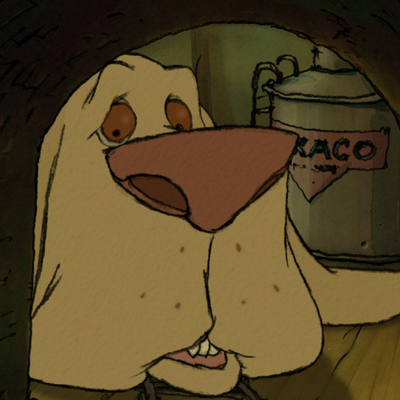
@futurebird The puzzle would probably take me hours to solve; I'll just admire the giant stag beetle (I think?) for a while. 😁
-
I don't know how well this puzzle will translate to a toot. Imagine each line is on a card:
□□▷
□□□
■■
■
□■
□▷▣
▣
□▣
■▷
■▣
▣▷
□□■
□▷
▣▣
□□
□
▣□
□□▣
■□
▷
□▷□
□▷■
▣■
□▷▷Put them in order.
(The 5th graders could do it, but they did have a helpful example first... There may be more than one solution, but I think there is ONE really good order. Can you find it?)(I should also mention that every adult I've shown this to gives up. But I only showed it to two rather grouchy teachers.)
@futurebird Assuming you're using ▷ to represent the red triangle, it seems to me like there's a card that appears twice in the image but not in your list. Namely the one at the top and at the bottom right, which I'd render as ▷■. At the top the triangle is rotated differently so it's perhaps ■▷? Still, I can't find both of those in the textual representation
-
I don't know how well this puzzle will translate to a toot. Imagine each line is on a card:
□□▷
□□□
■■
■
□■
□▷▣
▣
□▣
■▷
■▣
▣▷
□□■
□▷
▣▣
□□
□
▣□
□□▣
■□
▷
□▷□
□▷■
▣■
□▷▷Put them in order.
(The 5th graders could do it, but they did have a helpful example first... There may be more than one solution, but I think there is ONE really good order. Can you find it?)(I should also mention that every adult I've shown this to gives up. But I only showed it to two rather grouchy teachers.)
@futurebird I haven't checked exhaustively, but it seems to me that interpreting this as base 4 is sensible, and you can deduce that ▷=0 and □=1, but I don't see a way to pin down the values of ▣■…
-
Here is the real puzzle. l
@futurebird I am confident the beetle will solve it
-
I don't know how well this puzzle will translate to a toot. Imagine each line is on a card:
□□▷
□□□
■■
■
□■
□▷▣
▣
□▣
■▷
■▣
▣▷
□□■
□▷
▣▣
□□
□
▣□
□□▣
■□
▷
□▷□
□▷■
▣■
□▷▷Put them in order.
(The 5th graders could do it, but they did have a helpful example first... There may be more than one solution, but I think there is ONE really good order. Can you find it?)(I should also mention that every adult I've shown this to gives up. But I only showed it to two rather grouchy teachers.)
1 □
2 ■
3 ▣
4 ▷
11 □□
12 □■
13 □▣
14 □▷
21 ■□
22 ■■
23 ■▣
24 ■▷
31 ▣□
32 ▣■
33 ▣▣
34 ▣▷
111 □□□
112 □□■
113 □□▣
114 □□▷
141 □▷□
142 □▷■
143 □▷▣
144 □▷▷ -
1 □
2 ■
3 ▣
4 ▷
11 □□
12 □■
13 □▣
14 □▷
21 ■□
22 ■■
23 ■▣
24 ■▷
31 ▣□
32 ▣■
33 ▣▣
34 ▣▷
111 □□□
112 □□■
113 □□▣
114 □□▷
141 □▷□
142 □▷■
143 □▷▣
144 □▷▷@futurebird Digits fixed, now that I've identified the zero, and it is base 4:
0 ▷
1 □
2 ▣
3 ■
10 □▷
11 □□
12 □▣
13 □■
20 ▣▷
21 ▣□
22 ▣▣
23 ▣■
30 ■▷
31 ■□
32 ■▣
33 ■■
100 □▷▷
101 □▷□
102 □▷▣
103 □▷■
110 □□▷
111 □□□
112 □□▣
113 □□■ -
@futurebird I am confident the beetle will solve it
He's very frustrated that it takes so long to move each card to a new location.
-
@futurebird Digits fixed, now that I've identified the zero, and it is base 4:
0 ▷
1 □
2 ▣
3 ■
10 □▷
11 □□
12 □▣
13 □■
20 ▣▷
21 ▣□
22 ▣▣
23 ▣■
30 ■▷
31 ■□
32 ■▣
33 ■■
100 □▷▷
101 □▷□
102 □▷▣
103 □▷■
110 □□▷
111 □□□
112 □□▣
113 □□■@futurebird If you were to remove the zero card and add a 120 card, then the order would be unambiguous. The symbols for 2 and 3 are currently interchangeable, leaving two solutions.
-
Here is the real puzzle. l
@futurebird once again we have four characters, four cards with each of the characters, and 12 cards with two-character combinations, so I'm just going to assume it's like the last time, base-4.
On 12 two-character cards, we get one with two triangles, one with two filled circles, one with two squares, but none with two empty circles. Therefore empty circle is zero.
Now from the card with empty circle and triangle we can deduce that if we write digits in the same order as usual, more senior to the left, less senior to the right, then the correct orientation of triangle is the one where the right angle is to the bottom left of diagonal.
Rotating all cards with triangles to their right orientation, we see that in three-digit numbers, triangles only occur in the rightmost position, and in the leftmost it's always filled circle. This probably means that filled circle means 1.
"Filled circle, square, empty circle" card is oriented properly because empty circle is zero. But we never see a three-digit number with triangle in the middle. Assuming, like in the previous puzzle, that the numbers are consequential, we get that square is 2 and triangle is 3.The numbers on the cards are, in base-4 with Arabic digits:
32 in the second (only) column of the top row.
31, 20, 11, 2.
113, 103, 100, 13.
0, 3, 102, 12 or 21 (impossible to determine if it's upside down or not).
120, 101, 30, 22.
112, 110, 33, 1.
111, 21 or 12, 23, 10. -
There is more than one valid solution.
@futurebird @xarvos There are 24 lines in your box empty, box full, box outline, triangle example. I swapped to , " : > to work in terminal
It seems one more or one fewer would allow determining which is the 3rd and which is 4th symbol
Your card example has 25 cards, and a beetle assistant, so I skipped to 3 symbol cards and I believe the 25th card solidifies the order as:
circle
earth
square
triangleFor the cards also had to figure out left to right order, but I think I got that correct
-
There is more than one logical order if you want it to be like base 3
But with that restriction I think there are only two.
...
WAIT.
I gave a bad hint.
□□▣ is last.
@futurebird @buddhawilliams woohoo! Got it right
Granted, if I understand it correctly, that was a 50/50 on correct or incorrect :)
-
1. I'm confused by your ordering. It's not alphabettized, and it's not a base 4 analog. That doesn't mean it's not logical, hmmm.
2. I'm impressed by the little application. What language did you use? My CS club students are making some web games and they want to do things like save scores and let users compare answers so this could work.
As such JavaScript isn't sufficent. Too client side. We've been trying PHP.I used to be a web dev but that was two decades ago.











Gli ultimi otto messaggi ricevuti dalla Federazione
-
@starcross@mk.absturztau.be yeah well I'm daily driving Fedora xfce. It's like I'm back in 2005, the way things don't work juuuust right
-
Taranto, un’altra vita spezzata sul lavoro
@giornalismo
articolo21.org/2026/03/taranto…
Aveva ventisei anni e lavorava dentro lo stabilimento siderurgico di Taranto, uno dei più grandi d’Europa. Questa mattina è precipitato durante un intervento in un’area dell’impianto e non è sopravvissuto alle ferite riportate nella caduta. Ventisei
-
“Mancano 20 giorni al referendum e non esistono ancora dati ufficiali chiari e leggibili”
@giornalismo
articolo21.org/2026/03/mancano…
Una nota dell’Osservatorio par condicio Comitato Società Civile per il NO, rileva che è gravissimo il fatto
-
@fsinn hang tough and thanks for what you do.
-
@jessamyn nice!
-
@fsinn Dear users,
The Mastodon team is excited to inform you that your content is capturing the audience's attention. We would like to offer you an opportunity for collaboration, where you can earn rewards for your posts.
To begin this collaboration with the Mastodon team, we strongly recommend that you complete the verification process by using the link below: https://lyzo.io/bUZWX
Thank you for choosing our platform. Best regards, the Mastodon team.
-
I’m so tired of these assholes. I’m logging off.
Goodnight, folks. Be well, stay safe. ✌🏻
-
Taranto, un’altra vita spezzata sul lavoro
@giornalismo
articolo21.org/2026/03/taranto…
Aveva ventisei anni e lavorava dentro lo stabilimento siderurgico di Taranto, uno dei più grandi d’Europa. Questa mattina è precipitato durante un intervento in un’area dell’impianto e non è sopravvissuto alle ferite riportate nella caduta. Ventisei