Ciao ragazzi
Uncategorized
7
Posts
5
Posters
3
Views
-
Ciao ragazzi!
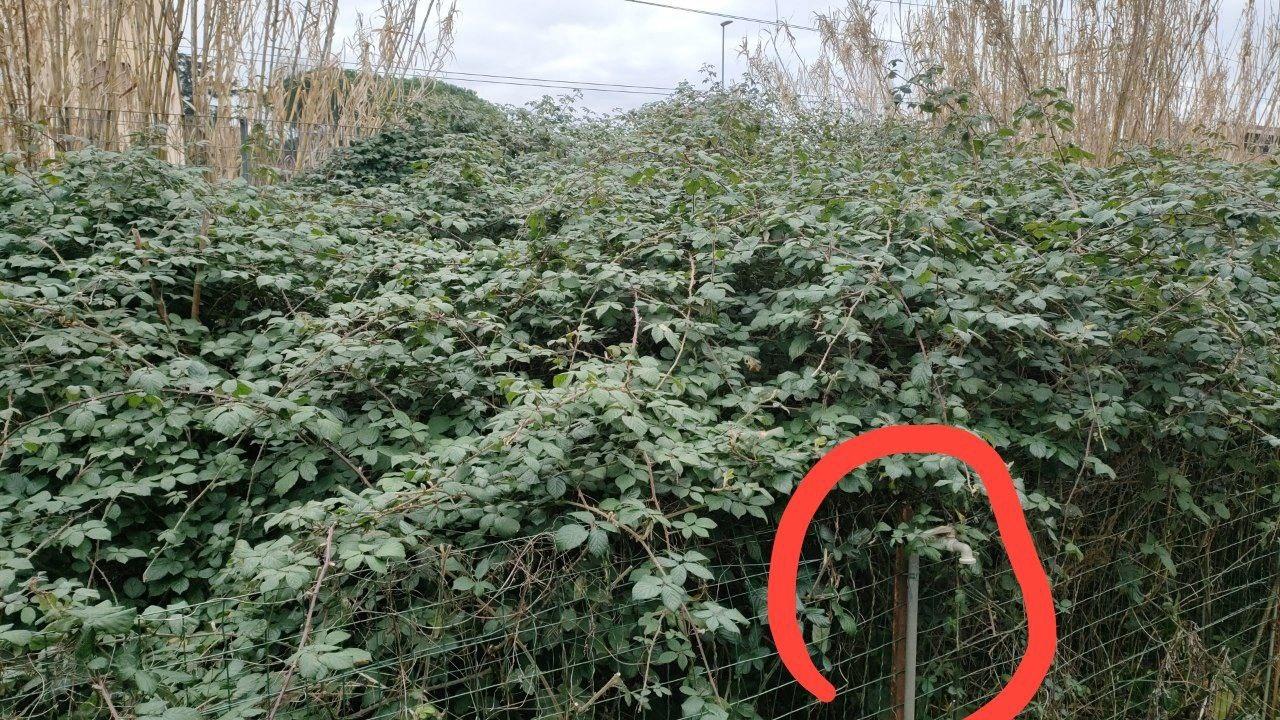
Scusate la lunga assenza ma sto cominciando a riprendermi ora da una bronchite che mi ha allettato per una settimana... 🤒 Ma ci sono importanti novità!Grazie alla mobilitazione di @ebbrezzadimare e me, abbiamo forse finalmente trovato quella che sarà la superdigievoluzione della #mastoNursery... ovvero un orto condominiale in disuso datoci in comodato, in cambio del disbosco dei rovi, per fare il nostro vivaio di alberi!
Questa è la foto PRIMA, vediamo quando arriverà il DOPO! 😜 -
Ciao ragazzi!
Scusate la lunga assenza ma sto cominciando a riprendermi ora da una bronchite che mi ha allettato per una settimana... 🤒 Ma ci sono importanti novità!Grazie alla mobilitazione di @ebbrezzadimare e me, abbiamo forse finalmente trovato quella che sarà la superdigievoluzione della #mastoNursery... ovvero un orto condominiale in disuso datoci in comodato, in cambio del disbosco dei rovi, per fare il nostro vivaio di alberi!
Questa è la foto PRIMA, vediamo quando arriverà il DOPO! 😜@malerba @ebbrezzadimare ma che bello:)!
-
@malerba @ebbrezzadimare ma che bello:)!
@bianot
Super contento! Stiamo per fare finalmente un salto di qualità!
@ebbrezzadimare -
Ciao ragazzi!
Scusate la lunga assenza ma sto cominciando a riprendermi ora da una bronchite che mi ha allettato per una settimana... 🤒 Ma ci sono importanti novità!Grazie alla mobilitazione di @ebbrezzadimare e me, abbiamo forse finalmente trovato quella che sarà la superdigievoluzione della #mastoNursery... ovvero un orto condominiale in disuso datoci in comodato, in cambio del disbosco dei rovi, per fare il nostro vivaio di alberi!
Questa è la foto PRIMA, vediamo quando arriverà il DOPO! 😜@malerba @ebbrezzadimare sembra un lavoro moooolto lungo :)
-
@malerba @ebbrezzadimare sembra un lavoro moooolto lungo :)
@gecco
Secondo me in una giornata e mezzo di lavoro, divisa in tre parti per fare seccare i rovi, si fa tutto. Spero di non essere troppo ottimista. 😅
@ebbrezzadimare -
@gecco
Secondo me in una giornata e mezzo di lavoro, divisa in tre parti per fare seccare i rovi, si fa tutto. Spero di non essere troppo ottimista. 😅
@ebbrezzadimare -
@gecco
Secondo me in una giornata e mezzo di lavoro, divisa in tre parti per fare seccare i rovi, si fa tutto. Spero di non essere troppo ottimista. 😅
@ebbrezzadimare@malerba
Se non foste così lontani e viaggiare non costasse così tanto, verrei a darvi una mano! :)
@gecco @ebbrezzadimare -
 undefined oblomov@sociale.network shared this topic




Feed RSS
Gli ultimi otto messaggi ricevuti dalla Federazione
-
@GustavinoBevilacqua soprattutto se vai a piedi
-
Problemi con la bilancia?
Andate in Antartide 😍
-
@kenobit allora tutto bene. la palestra fatta per un periodo ti permetterebbe di fare anche altri movimenti che il solo camminare non privilegia, per la schiena ad esempio estensioni e flessioni della lombare con peso, rotazioni, inclinazioni, ottimale per avere un bel range di movimento allenato.
-
@thornsinnercircle Mi interessa allenare tutto il corpo, in generale.
Per corporatura e attività passate, ho le gambe molto forti e faccio degli squat perfetti. Per questo vorrei privilegiare un po' la parte alta.
In mezz'ora di farmer's walk riesco faccio due chilometri abbondanti, fermandomi un minuto a metà strada con due kettle da 8 kg. Alla fine sento fatica principalmente all'avambraccio sinistro (che è meno forte del destro, a quanto pare), sono sudato ma tutto fuorché esausto.
-
@kenobit io sto studiando con project invictus per diventare personal trainer. che parte del corpo ti interessa allenare? con la farmer's walk il tuo corpo come reagisce? se tutto va bene puoi continuare così magari inserendo qualche giorno di pausa al bisogno. la palestra best scelta comunque!
-
I overslept and missed the eclipse before the fog rolled in in Venice Beach.
-
This post did not contain any content.
-
C'è per caso da qualche parte una lista delle palestre popolari a Milano?
Sto cercando, ma trovo poche informazioni (o siti non più aggiornati).