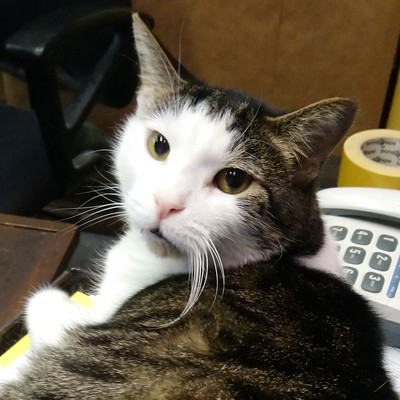
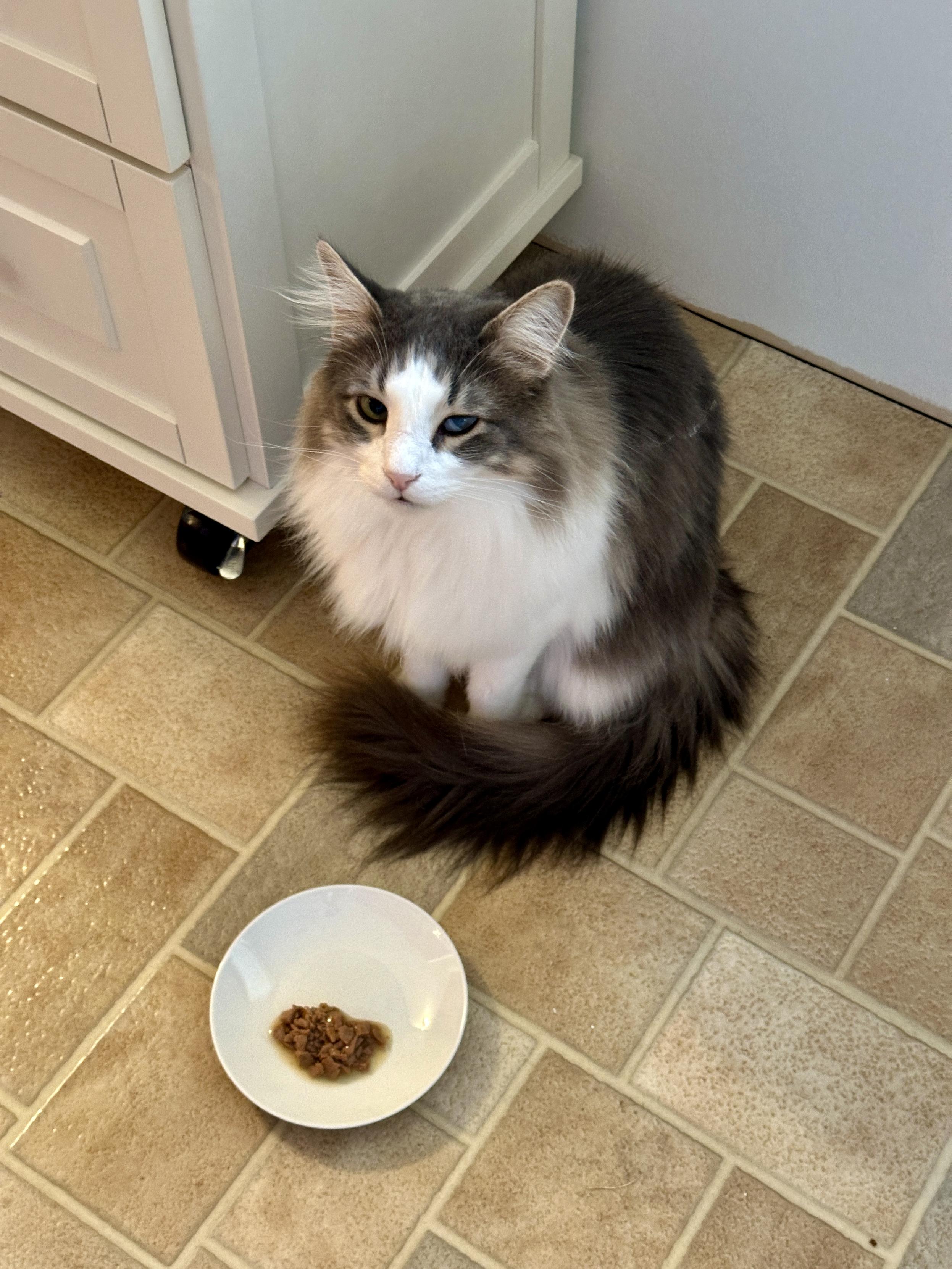
“But Möther, I specifically requested the chicken pudding, not the chicken morsels.”
Uncategorized
1
Posts
1
Posters
7
Views
-
“But Möther, I specifically requested the chicken pudding, not the chicken morsels.”
Happy Thorsday!
#AllCatsAreBeautiful #Thorsday #ThorToots #CatsOfMastodon #CatsOfFediverse #CatsOfPixelfed #Catstodon #Cats #Cat #Caturday #RagdollCats
-
 undefined oblomov@sociale.network shared this topic on

Gli ultimi otto messaggi ricevuti dalla Federazione
-
@Gina I prefer the snow!
-
I got my hands on a (apparently bricked) uugear Vivid Unit board today. Rockchip RK3399 5 inch touchscreen. Have now managed to get the bare OS working again, except it's Debian Bullseye and there's no straightfoward upgrade path. Could be a nice #homeassistant control panel, but would be great to be able to update it. Board is a strange mix of Android and Linux stuff though.
-
La citazione è di Funari 😁
-
@jedi@bolha.us Yeah, there are times I want to call my own code “slop.” 😂 But I think it's going too far to call someone else's work that.
-
@hongminhee I call my code "artisanal slop"
-
For extra context: I'm saying this because I saw someone call my code “AI slop.”
-
@TTFKA_Tay0 @Gina Had to cover everything for a freeze two days later had to uncover everything because it was too hot
-
Addio a Dave Farber. https://blog.quintarelli.it/2026/02/addio-a-dave-farber/