- How do you verify that a floating-point algorithm is correct?- You double-check it.
Uncategorized
6
Posts
3
Posters
0
Views
-
- How do you verify that a floating-point algorithm is correct?
- You double-check it. -
- How do you verify that a floating-point algorithm is correct?
- You double-check it.Which is what I'm going to do with the yy's optimization.
-
- How do you verify that a floating-point algorithm is correct?
- You double-check it.@vitaut "Have you verified the IEEE 754 binary32 correctness?"
"I double checked it"
"Dude, you had a single job…" -
@vitaut "Have you verified the IEEE 754 binary32 correctness?"
"I double checked it"
"Dude, you had a single job…"@vitaut (by the way, what bignum doesn't want people to know: for reasonably fast algorithms, it's totally feasible to test every single 32 bit float on a desktop CPU. Don't even need to be fancy with multithreading. Don't even be clever about not storing results in RAM. It's only 16 GB. Your laptop will be fine. If float32 zmij is as fast as float64 zmij, then it'll take 51 s to test all floats.)
-
Which is what I'm going to do with the yy's optimization.
With today’s hardware you could even bruteforce it LOL
-
 undefined oblomov@sociale.network shared this topic
-
@vitaut (by the way, what bignum doesn't want people to know: for reasonably fast algorithms, it's totally feasible to test every single 32 bit float on a desktop CPU. Don't even need to be fancy with multithreading. Don't even be clever about not storing results in RAM. It's only 16 GB. Your laptop will be fine. If float32 zmij is as fast as float64 zmij, then it'll take 51 s to test all floats.)

Gli ultimi otto messaggi ricevuti dalla Federazione
-
@ecate85 siamo moderni: pennarelli e penne Bic
-
@Kath woohoo
-
C'est parti pour le party de Noël #Qlub à la scène du Chalet-Bar 🎶🎄✨
-
-
@gumnos that's a beautiful post. Thank you for sharing it
-
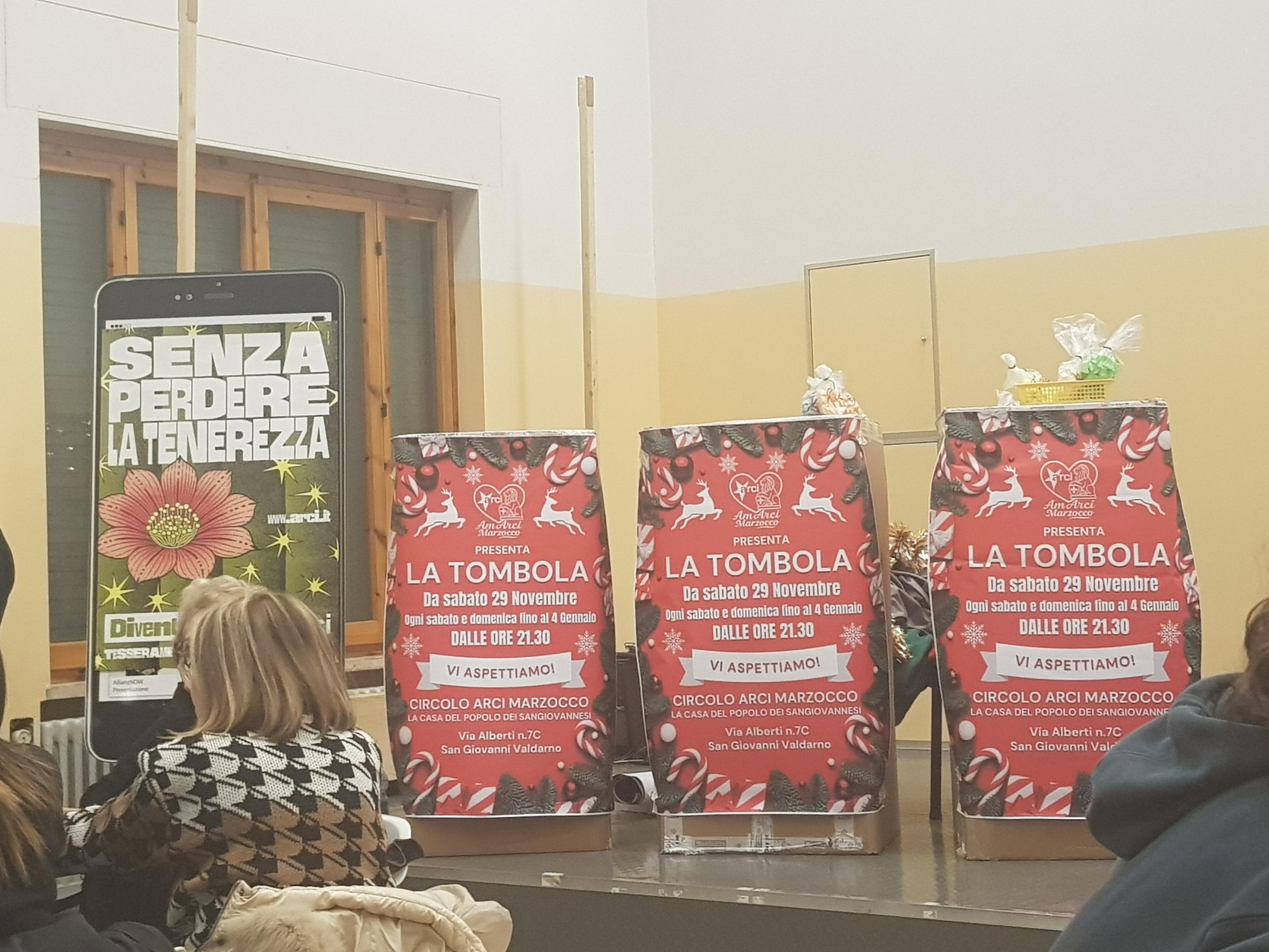
@francina1909 Ma come niente fagioli da mettere sulle cartelle? 😅
Ci ho passato l'infanzia ad accompagnare mia nonna alla tombola del circolo Arci del paese...
-
Have you ever wanted to have Theo de Raadt give you his fortune in your GNU Emacs session? I made a package some time ago which serves exactly this purpose. You can find the package, as well as it's history on Codeberg with the following link. It is currently my only Emacs package, but I plan to make more when it becomes useful to.
https://codeberg.org/amadaluzia/theo.el
Appending to the history after the package was published onto Codeberg, I ended up in a call where me and @izder456 were talking about theo.el. I believe in that call, it was also reposted in the OpenBSD room on Matrix. I also remember being suggested to put it on MELPA, so that is exactly what I did.
After creating the pull request and fixing all of the issues that stopped it from being pushed into MELPA, it couldn't make it on as it was a pretty repetitive package, and there were about 5 other `fortune`-esque packages with much more customisability. However, I now have a better package because of MELPA's guidelines, and I believe that I can still give attention to the package, even if not through MELPA.
That's why I wanted to talk about it here, because maybe you are interested in having a fortune package for your GNU Emacs. If so, and assuming you have straight.el, you can simply copy the following snippet into your init.el. After that, you should have it installed.
https://gist.github.com/amadaluzia/be96e325326a9d66619543af410e4bf4
Let me know how the package goes for you. I would love to improve the GNU Emacs ecosystem further, as a GNU Emacs user.
-
And here we are
Ho cmq già vinto il rigatino alla lotteria.
Si sbanca.