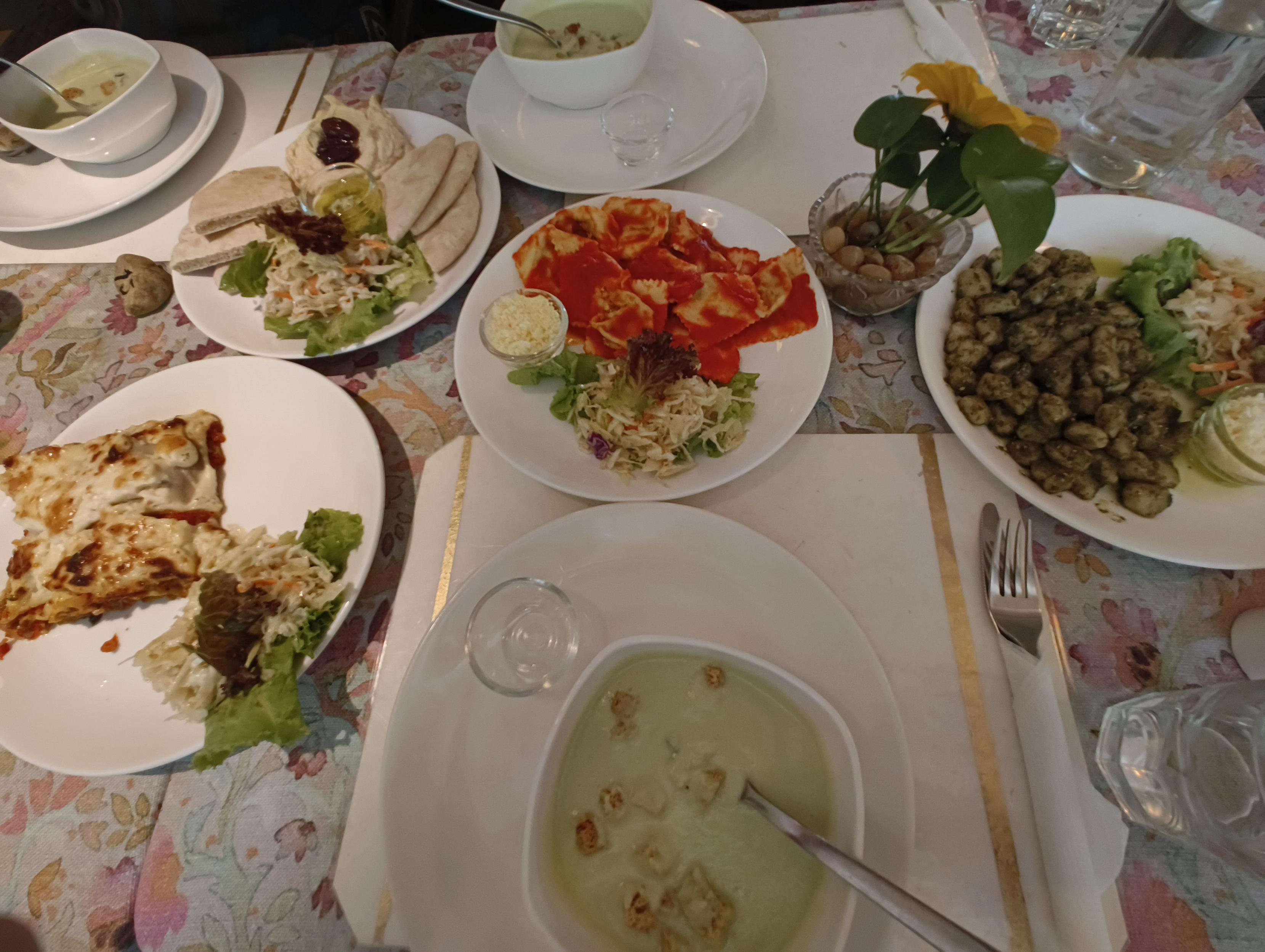
😂😂😂 basta 😂
Uncategorized
1
Posts
1
Posters
2
Views

Feed RSS
Gli ultimi otto messaggi ricevuti dalla Federazione
-
L'energia pulita? Costa meno ed è la strada verso l'indipendenza energetica - Vita.it https://www.vita.it/lenergia-pulita-costa-meno-ed-e-la-strada-verso-lindipendenza-energetica/
-
Aikido Security has open-sourced Betterleaks, a secrets scanner built for speed and configurability
-
@gmarcosanti ma noooo.. queste non ingrassano! 🤗
-
"Il numero esatto delle basi militari statunitensi in Italia non è noto. Non esiste infatti un elenco ufficiale".
C'è scritto qui
https://pagellapolitica.it/articoli/stati-uniti-guerra-basi-italiaMa ciò che è scritto in questo sito non è corretto. PeaceLink ha infatti pubblicato l'elenco ufficiale delle installazioni USA in Italia, tratto dal sito del governo USA. Ecco l'elenco
-
@simonett_a seee. Che se poi mi piacciono sono fottuto :ciccione:
-
I think the claim is true.
The final price paid by most of us is an average of all energy prices and it raises up as an effect of oil price raise.
However, the price of solar and wind energy don't increase.
-
Here's Laundry Bear (allegedly) using headless Edge instances to execute malware
-
@fucinafibonacci @economia che schifo i tanti che conosco etici e 'compagni' che continuano ad usufruire di servizi schiavizzanti del genere...