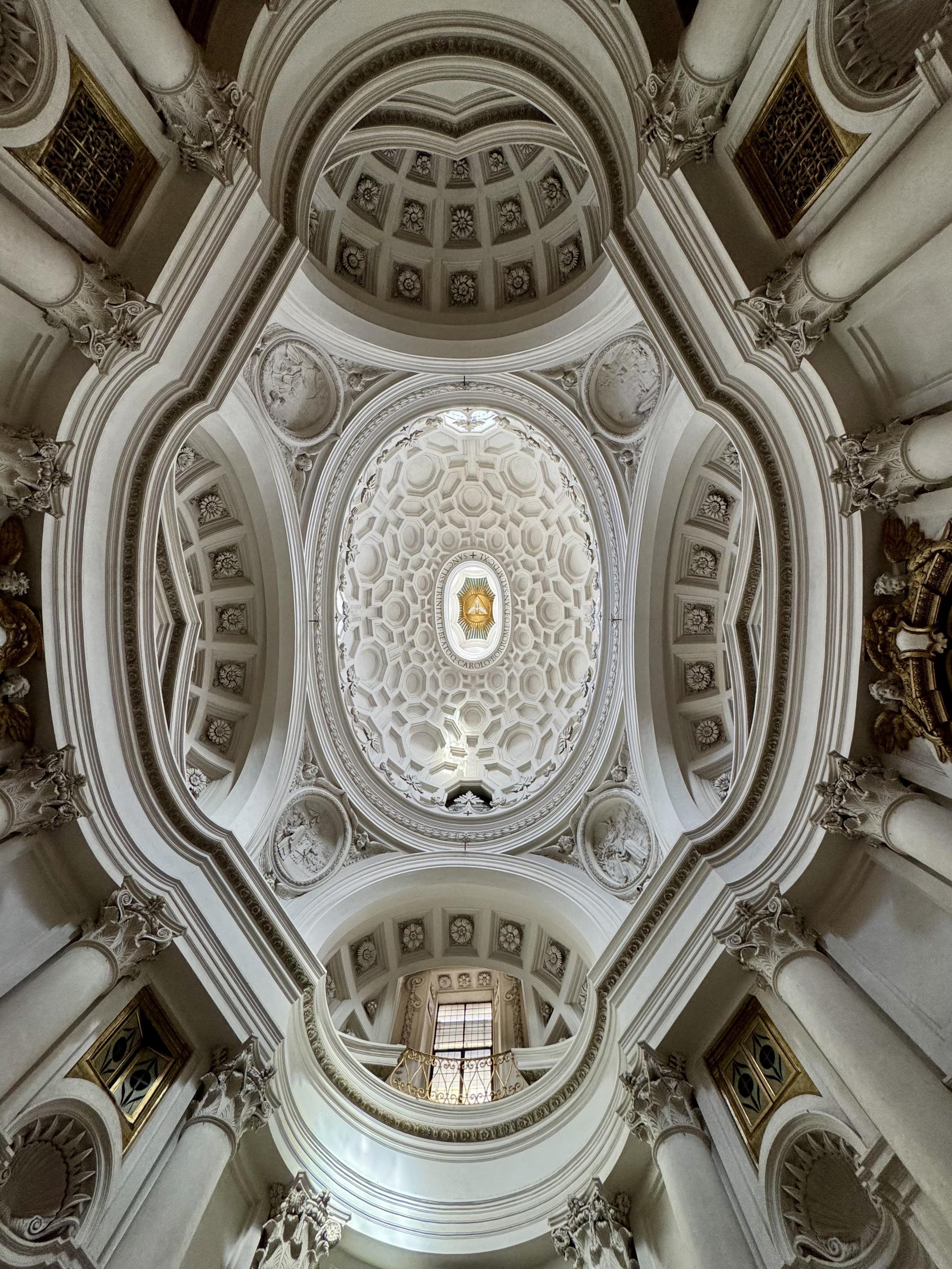
#Fensterfreitag #WindowFriday
Uncategorized
15
Posts
7
Posters
0
Views
-
@LikeItOrLumpIt
Cool one, Annie!Thanks Joe. I kind of put lipstick on a pig with this one. The original wasn't as interesting as I though it was going to be. 🤗
-
Thanks Joe. I kind of put lipstick on a pig with this one. The original wasn't as interesting as I though it was going to be. 🤗
@LikeItOrLumpIt I hate when that happens
-
@LikeItOrLumpIt I hate when that happens
As you know, sometimes you think you really got something. Other times, you are surprised what you captured with just an ordinary shot. So, it balances out.
-
As you know, sometimes you think you really got something. Other times, you are surprised what you captured with just an ordinary shot. So, it balances out.
-
@LikeItOrLumpIt is that you? I'm moving next door.
-
@LikeItOrLumpIt is that you? I'm moving next door.
-
@LikeItOrLumpIt it’s beautiful
-
@LikeItOrLumpIt
Ooh! I thought I recognized the Clark. I love that place! Wonderful shot. -
@LikeItOrLumpIt
Ooh! I thought I recognized the Clark. I love that place! Wonderful shot. -
@LikeItOrLumpIt it’s beautiful
-
i love the architecture and space of galleries.
The Clark was created in 1955 in association with Williams College by entrepreneur, soldier and prominent art collector Robert Sterling Clark, and his wife, Francine. After traveling in the Far East, Sterling settled in Paris in 1911 and used a considerable fortune inherited from his grandfather (a principal in the Singer Sewing Machine Company) to begin amassing a private art collection. Francine joined him in collecting works of art after their marriage in 1919.
The Clarks kept their collection largely private, rarely lending out any works. With the onset of the Cold War and rapid nuclear armament, they became increasingly worried about the safety of their artworks. They wanted to protect their collection from a possible attack on New York City, where they lived and where the expected heir of their collection, the Metropolitan Museum of Art, was located. As such, the Clarks began looking at sites in rural New York and Massachusetts with the intention of founding a museum for their art.
They visited Williamstown, Massachusetts in 1949 and began having conversations with town leaders and the administrators of Williams College and the Williams College Museum of Art. Sterling had ties to the college through his grandfather and father, both of whom had been trustees. A charter for the "Robert Sterling Clark Art Institute" was signed on March 14, 1950, incorporating the organization with the intention of becoming both a museum and educational institution. A special meeting was held by Sterling soon after the first cornerstone was laid in 1953 that changed the name to "the Sterling and Francine Clark Art Institute", as it is today. Sterling wrote that Francine's inclusion was because of "her constant enthusiasm for the Institute's objectives, her participation in the accumulation of the collections which the Institute will house and her contributions to the planning of the project."[3]
The Clark opened to the public on May 17, 1955, under its first director, former silver dealer Peter Guille.[4] The Clark has since become a destination for tourists, art lovers, and scholars, helping to establish the cultural reputation of the Berkshires.
-
Thanks Joe. I kind of put lipstick on a pig with this one. The original wasn't as interesting as I though it was going to be. 🤗
-
 undefined oblomov@sociale.network shared this topic






Feed RSS
Gli ultimi otto messaggi ricevuti dalla Federazione
-
@abosio thanks, we'll take a look! @btp @krisfreedain @el_on_libera
-
Usa e Israele bombardano l'Iran: esplosioni a Teheran, colpiti gli uffici di Khamenei. “Stato di emergenza in tutto il Paese”. Chiuso lo spazio aereo israeliano
https://www.lastampa.it/esteri/2026/02/28/diretta/iran_sotto_attacco_israele_usa_guerra-15526010/
-
@bougiewonderland thank you!
It just made it sound so ominous... as soon as someone writes "conspiracy theorists" whatever follows loses all credibility in my eyes. Especially if it's not backed by actual claims - who are the conspiracy theorists? Links? I find the article - in this section - poorly written
-
well, they were one week away from having a nuclear bomb, as always
https://edition.cnn.com/world/live-news/israel-iran-attack-02-28-26-hnk-intl
-
@tabarro63 persino Bergoglio se la prese contro gli indifferenti, gli astenuti...
Leone non so...
-
This post did not contain any content.
-
FreeBSD 14.4 release candidate – please test
<https://mail-archive.freebsd.org/cgi/mid.cgi?20260228000136.2C0F81F863>
– via <https://www.reddit.com/r/freebsd/comments/1rgs3mz/freebsd_144_release_candidate/>
-
She's right. Don Draper does look kind of square.