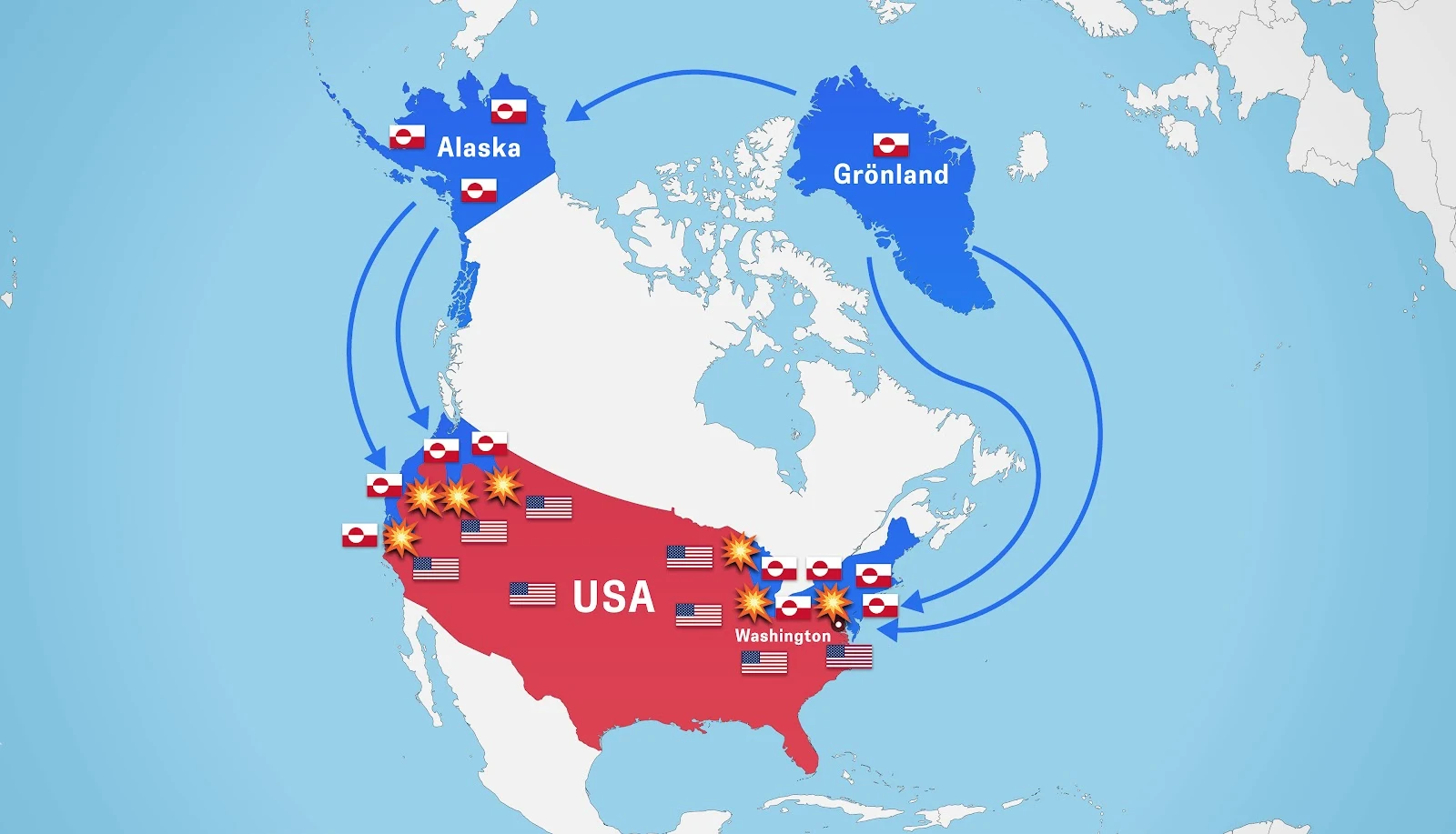
GeoQuest #1484 4/7🟩🟩🟩🟥🟥🟥🟩
Uncategorized
1
Posts
1
Posters
0
Views

Feed RSS
Gli ultimi otto messaggi ricevuti dalla Federazione
-
@informapirata
Fantastico 😁
Quando incontro gente così ( chi ha scritto l'articolo) gli chiedo sempre se è consapevole che praticamente tutto quello che usa di apparati tecnologici è fatto in Cina.
-
@ju probabilmente anche sua Grazia stamattina ha fatto cose: ad un certo punto mentre pioveva poco è anche andato a farsi un giro, probabilmente per parlare con qualcuno di importanti questioni politiche
però tutte le altre volte che siamo scesi era acciambellato sulla sua poltroncina, e stamattina siamo scesi non poche volte :D
-
@andre123 UE dorme!
-
@stefano 🫂💖
-
Poche idee, ma confuse
-
Tutti gli scandali sono ormai squadernati in piena vista davanti a noi:
“Il genero del presidente Trump, Jared Kushner, sta sollecitando 5 miliardi di dollari o più da governi stranieri per la sua azienda mentre lavora come inviato per il Medio Oriente”
https://www.nytimes.com/2026/03/13/business/jared-kushner-affinity-mideast-funds.html?smid=tw-share
-
@cazmockett wow!!! incredible work Caz 🤩 I've never seen LEGO trees built that way. Brilliant!