domanda in extremis di giornata lavorativa: genitori di bimbetti maschi in età da cresima/comunione, voi li mandate a messa?
Uncategorized
28
Posts
8
Posters
56
Views
-
@las_lallero @merry ma il battesimo non è un contratto, è un rituale
il battezzato non si impegna a fare niente (nel caso del battesimo da adulti l'impegno a comportarsi da cristiano è dato per scontato *prima* del battesimo), e né la chiesa sulla terra né altre entità tradizionalmente situate in cielo prendono impegni nei suoi confronti.
col battesimo succedono due cose: a) ti viene spruzzata un po' di acqua addosso b) se ci credi, vengono cancellati peccato originale ed eventuali peccati precedenti in modo da iniziare con la fedina penale pulita, *per quello che riguarda le suddette entità in cielo*.
dato che, per chi crede che sia successa la b, il battesimo non può essere ripetuto più di una volta (nel senso che le successive non funziona¹), ma serve averlo ricevuto per avere accesso a degli altri rituali, è utile tenere un documento che dica che è stato fatto, a cui riferirsi nelle occasioni future.
e basta. quello è. non è un'iscrizione a qualcosa, non viene usato per contare gli aderenti alla chiesa, non è neanche garanzia che il battezzato faccia parte della chiesa, soprattutto se poi non ha ricevuto la cresima (ma anche se cresimato, uno potrebbe poi esserne uscito, o essere stato buttato fuori tramite scomunica).
-
"Altrimenti poi la gente cosa dice?"
-
"Altrimenti poi la gente cosa dice?"
@GustavinoBevilacqua @valhalla @merry che schifo missile però, tu stai COMUNQUE imponendo una religione su una persona che, in quel momento, non può decidere da sola, che il battesimo sia vincolante o meno. E' vincolante, IMHO e poi chiudo (ma non perchè devo lavorare, GIAMMAI!, solo perchè mi sa che sto ripetendo le stesse cose e non voglio ammorbarvi col mio anticlericalismo) a livello sociale, e su questo i vescovi si fregano le mani non poco...
-
@GustavinoBevilacqua @valhalla @merry che schifo missile però, tu stai COMUNQUE imponendo una religione su una persona che, in quel momento, non può decidere da sola, che il battesimo sia vincolante o meno. E' vincolante, IMHO e poi chiudo (ma non perchè devo lavorare, GIAMMAI!, solo perchè mi sa che sto ripetendo le stesse cose e non voglio ammorbarvi col mio anticlericalismo) a livello sociale, e su questo i vescovi si fregano le mani non poco...
Quanti dei nostri devoti cristiani sarebbero stati devoti musulmani se fossero nati sulla sponda opposta del Mediterraneo?
-
@merry
Eh a me più che altro lo sbattezzo sembra la beffa oltre al danno, io non ero capace di intendere e volere quando hanno tentato di farmi diventar cattolica, bisognerebbe poterli denunciare per circonvenzione di incapace (perché quello è, alla fine). Dover sbattersi per annullare un contratto di fatto già nullo mi sembra un'enorme presa per il culo.@las_lallero @merry non lo è: il battesimo crea dei registri con il tuo nome e cognome e dettagli anagrafici.
Riguarda la GDPR ed è usato attivamente dalla chiesa cattolica per fare lobby politica (abbiamo X mila battezzati quindi la legge deve prevedere Y)
Sbattezzarsi fa attivamente prendere quel registro e segnare una nota: sono statə battezzatə contro la mia volontà e non sono credente.
È bene farlo. -
@las_lallero @merry ma il battesimo non è un contratto, è un rituale
il battezzato non si impegna a fare niente (nel caso del battesimo da adulti l'impegno a comportarsi da cristiano è dato per scontato *prima* del battesimo), e né la chiesa sulla terra né altre entità tradizionalmente situate in cielo prendono impegni nei suoi confronti.
col battesimo succedono due cose: a) ti viene spruzzata un po' di acqua addosso b) se ci credi, vengono cancellati peccato originale ed eventuali peccati precedenti in modo da iniziare con la fedina penale pulita, *per quello che riguarda le suddette entità in cielo*.
dato che, per chi crede che sia successa la b, il battesimo non può essere ripetuto più di una volta (nel senso che le successive non funziona¹), ma serve averlo ricevuto per avere accesso a degli altri rituali, è utile tenere un documento che dica che è stato fatto, a cui riferirsi nelle occasioni future.
e basta. quello è. non è un'iscrizione a qualcosa, non viene usato per contare gli aderenti alla chiesa, non è neanche garanzia che il battezzato faccia parte della chiesa, soprattutto se poi non ha ricevuto la cresima (ma anche se cresimato, uno potrebbe poi esserne uscito, o essere stato buttato fuori tramite scomunica).
Purtroppo è un'iscrizione a qualcosa perché:
c) la Chiesa Cattolica ti considera tra i suoi e sfrutta i grandi numeri che ne vengono fuori per potere politico.
-
@las_lallero @merry beh, per chi è ateo probabilmente sì, per moda, per far contenti parenti o per non ostacolare l'integrazione sociale del bambino.
per chi non è praticante, ma magari qualche dubbio ce l'ha ancora, potrebbe anche essere una scommessa di pascal: battezzare non costa quasi¹ niente, se poi Dio esiste il bambino parte senza peccati, se non esiste non succede niente.
¹ rinfresco post battesimo a parte, ma quello non è che sia obbligatorio, se non per ragioni sociali che esulano dal battesimo
-
@las_lallero @merry ma il battesimo non è un contratto, è un rituale
il battezzato non si impegna a fare niente (nel caso del battesimo da adulti l'impegno a comportarsi da cristiano è dato per scontato *prima* del battesimo), e né la chiesa sulla terra né altre entità tradizionalmente situate in cielo prendono impegni nei suoi confronti.
col battesimo succedono due cose: a) ti viene spruzzata un po' di acqua addosso b) se ci credi, vengono cancellati peccato originale ed eventuali peccati precedenti in modo da iniziare con la fedina penale pulita, *per quello che riguarda le suddette entità in cielo*.
dato che, per chi crede che sia successa la b, il battesimo non può essere ripetuto più di una volta (nel senso che le successive non funziona¹), ma serve averlo ricevuto per avere accesso a degli altri rituali, è utile tenere un documento che dica che è stato fatto, a cui riferirsi nelle occasioni future.
e basta. quello è. non è un'iscrizione a qualcosa, non viene usato per contare gli aderenti alla chiesa, non è neanche garanzia che il battezzato faccia parte della chiesa, soprattutto se poi non ha ricevuto la cresima (ma anche se cresimato, uno potrebbe poi esserne uscito, o essere stato buttato fuori tramite scomunica).
Apprezzo molto la logica di questo messaggio.
Aggiungerei.Assodato che un ateo non crede che il battesimo abbia effetti, non è che sbattezzandoti ti ridanno il tuo peccato originale, per te l'atto è nullo.
Se anche la chiesa cattolica dichiarasse un certo numero di battezzati, allo sbattezzando, ai fini pratici, che gli frega ?
Non è che la influenza sul mondo della chiesa cattolica è strettamente legata al numero di battezzati.
Non è che le leggi vengono fatte tenendo conto di quanti battezzati ci sono, per quelle servono gli elettori, vedi divorzio, aborto, unioni civili, matrimonio civile equiparato (ah no, quello ancora manca) -
@las_lallero @merry non lo è: il battesimo crea dei registri con il tuo nome e cognome e dettagli anagrafici.
Riguarda la GDPR ed è usato attivamente dalla chiesa cattolica per fare lobby politica (abbiamo X mila battezzati quindi la legge deve prevedere Y)
Sbattezzarsi fa attivamente prendere quel registro e segnare una nota: sono statə battezzatə contro la mia volontà e non sono credente.
È bene farlo.@Dunpiteog @merry @las_lallero ma onestamente, voi avete mai letto la storia dell'“abbiamo X mila battezzati“ da qualche parte che non sia il sito dell'UAAR?
Perché sì, ci sono dei registri dei battezzati. cartacei. in gran parte non digitalizzati, neanche come scansioni, figuriamoci come dati. suddivisi su millemila parrocchie che devono essere aggregate tra di loro perché non ci sono abbastanza sacerdoti per dare un parroco a tutte.
E la chiesa dovrebbe andare a far contare tutti i battesimi, incrociarli con i funerali per controllare che siano ancora vivi (funerali che possono essere avvenuti in una chiesa diversa, o mai avvenuti) e con gli sbattezzi per sapere quanta gente fa parte della chiesa?
O più probabilmente tengono un conto complessivo dei nuovi battesimi annuali, e quando parlano di X battezzati al massimo parlano di quello, che al più è indicativo della cristianità dei genitori? E lo sbattezzo per questo non serve a niente.
-
Apprezzo molto la logica di questo messaggio.
Aggiungerei.Assodato che un ateo non crede che il battesimo abbia effetti, non è che sbattezzandoti ti ridanno il tuo peccato originale, per te l'atto è nullo.
Se anche la chiesa cattolica dichiarasse un certo numero di battezzati, allo sbattezzando, ai fini pratici, che gli frega ?
Non è che la influenza sul mondo della chiesa cattolica è strettamente legata al numero di battezzati.
Non è che le leggi vengono fatte tenendo conto di quanti battezzati ci sono, per quelle servono gli elettori, vedi divorzio, aborto, unioni civili, matrimonio civile equiparato (ah no, quello ancora manca)@luca @valhalla @merry oddio, dire che il numero di battezzati sia slegato da tutta una serie di ingerenze dello stato vaticano nella politica italiana (stesura/approvazione delle leggi, gli obiettori nella sanità, il fine vita etc etc)mi sembra un po' voler minimizzare il problema, è molto probabile che chi si ritrovi battezzato alla fine continui la serie di sacramenti e magari li imponga anche alla discendenza, ed è su questa indolenza ("massì è tradizione" "abbiamo sempre fatto così") che la chiesa cattolica italiana capitalizza la sua influenza.
-
@luca @valhalla @merry oddio, dire che il numero di battezzati sia slegato da tutta una serie di ingerenze dello stato vaticano nella politica italiana (stesura/approvazione delle leggi, gli obiettori nella sanità, il fine vita etc etc)mi sembra un po' voler minimizzare il problema, è molto probabile che chi si ritrovi battezzato alla fine continui la serie di sacramenti e magari li imponga anche alla discendenza, ed è su questa indolenza ("massì è tradizione" "abbiamo sempre fatto così") che la chiesa cattolica italiana capitalizza la sua influenza.
@las_lallero @luca @merry aspetta, di sicuro le ingerenze ci sono (ma guarda a caso mai dove servirebbero, perché la chiesa sarebbe anche contraria alle guerre, alla tortura, al maltrattamento dei migranti, ecc. ecc.), quello che sto dicendo è che non è il certificato di battesimo o lo sbattezzo a influenzare quante persone siano considerate o meno cattoliche.
perché se uno è battezzato, ma quando poi gli chiedono di che religione è ai sondaggi risponde che è ateo, e quando paga le tasse non da l'8 per mille alla chiesa, e non entra in una chiesa se non per guardare le opere d'arte, beh, non credo proprio che venga mai contato quando qualcuno cerca di produrre i numeri da usare in quel modo.
-
@las_lallero @merry non lo è: il battesimo crea dei registri con il tuo nome e cognome e dettagli anagrafici.
Riguarda la GDPR ed è usato attivamente dalla chiesa cattolica per fare lobby politica (abbiamo X mila battezzati quindi la legge deve prevedere Y)
Sbattezzarsi fa attivamente prendere quel registro e segnare una nota: sono statə battezzatə contro la mia volontà e non sono credente.
È bene farlo.@Dunpiteog @merry @las_lallero esiste un registro con quei dati anagrafici, e con lo sbattezzo non si cambia l'esistenza di quel registro, perché anche il garante della privacy ha riconosciuto che è la registrazione di un fatto avvenuto, e al più fa aggiungere una nota con ulteriori dati (che poi nessuno leggerà)
quindi una cosa totalmente inutile
-
@Dunpiteog @merry @las_lallero ma onestamente, voi avete mai letto la storia dell'“abbiamo X mila battezzati“ da qualche parte che non sia il sito dell'UAAR?
Perché sì, ci sono dei registri dei battezzati. cartacei. in gran parte non digitalizzati, neanche come scansioni, figuriamoci come dati. suddivisi su millemila parrocchie che devono essere aggregate tra di loro perché non ci sono abbastanza sacerdoti per dare un parroco a tutte.
E la chiesa dovrebbe andare a far contare tutti i battesimi, incrociarli con i funerali per controllare che siano ancora vivi (funerali che possono essere avvenuti in una chiesa diversa, o mai avvenuti) e con gli sbattezzi per sapere quanta gente fa parte della chiesa?
O più probabilmente tengono un conto complessivo dei nuovi battesimi annuali, e quando parlano di X battezzati al massimo parlano di quello, che al più è indicativo della cristianità dei genitori? E lo sbattezzo per questo non serve a niente.
@valhalla fai le tue scelte, io ho fatto le mie . La lobby politica cattolica la vedo eccome in Italia. Sono in un paese ancora più cattolico dell'Italia e non parlano del papa qd ogni telegiornale, ad ogni votazione e ad ogni abuso verso le donne e la comunità LGBTQ+. In italia si. @las_lallero @merry
-
@valhalla fai le tue scelte, io ho fatto le mie . La lobby politica cattolica la vedo eccome in Italia. Sono in un paese ancora più cattolico dell'Italia e non parlano del papa qd ogni telegiornale, ad ogni votazione e ad ogni abuso verso le donne e la comunità LGBTQ+. In italia si. @las_lallero @merry
@Dunpiteog @las_lallero @merry ma non nego l'esistenza della lobby cattolica
nego il fatto che lo sbattezzo sia una pratica utile, e non un rituale che fa tanto contento chi lo fa, ma non ha nessun effetto pratico sulla società






Gli ultimi otto messaggi ricevuti dalla Federazione
-
Vicenza: abbattuta quasi metà del bosco ex Lanerossi…
@anarchia
… per l’Alta Velocità. Nell’estate scorsa era stata assicurata tutela per l’ecosistema nato spontaneamente e riconosciuto per biodiversità e valore simbolico, minacciato dai cantieri Tav. Nonostante le promesse, però, a metà gennaio 2026 https://www.rivoluzioneanarchica.it/vicenza-abbattuta-quasi-meta-del-bosco-ex-lanerossi/
-
@stefano stressed? don't come in Belgium, you would have the equivalent of one of @justine 's mechanical keyboards on the face :)
-
complimenti all'artista #Laika per la sua opera #ICEOut!
Domani manifestazioni a #Milano e #Firenze
E che il nostro scoop per #FattoQuotidiano contribuisca a un movimento contro chi fa della ferocia contro i deboli una missione
https://www.ilfattoquotidiano.it/2026/02/05/laika-murales-ice-olimpiadi-protesta-news/8280975/
-
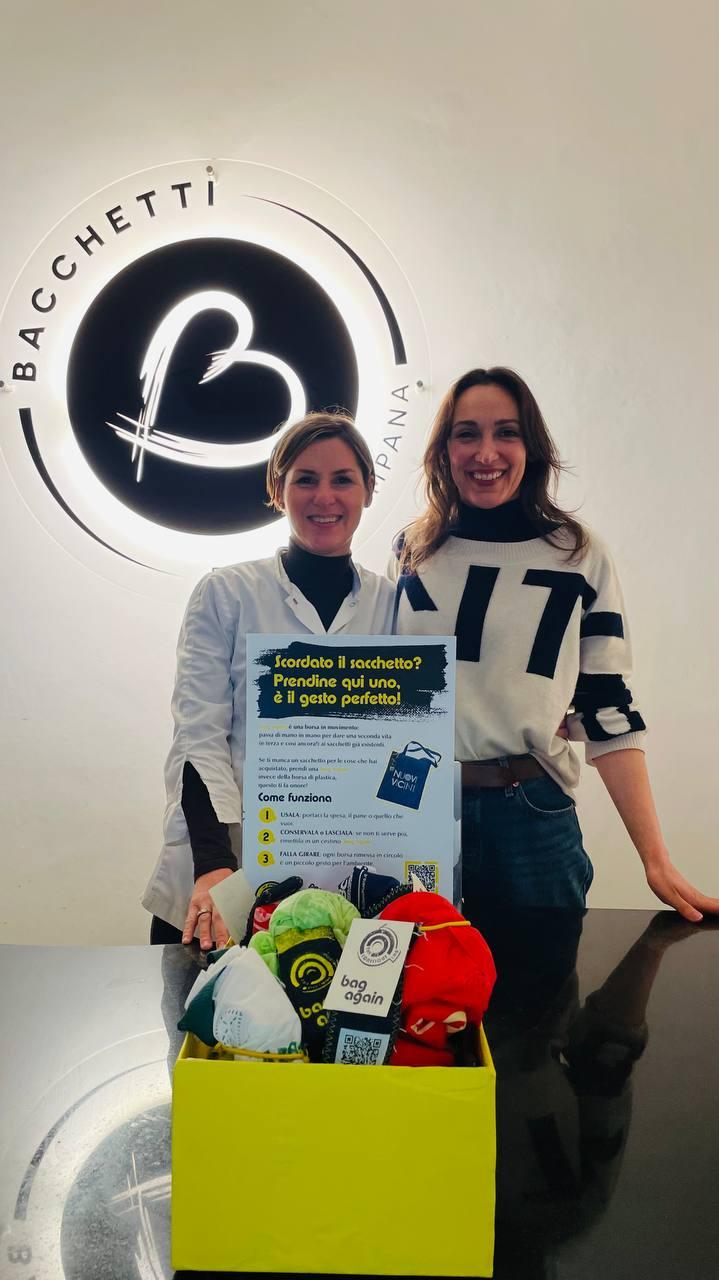
Un altro progetto che avevo nel cassetto e che ha preso il via!
#BagAgain (il nome da un contest di qualche mese fa) nasce con l'obiettivo di abbattere l'uso di borse di plastica nei negozi, specie le botteghe alimentari, dove c'è più giro.
L'idea è nata osservando in cassa quante persone arrivino in negozio senza un sacchetto che immancabilmente chiedono al momento del conto.
-
Giornata nazionale di prevenzione dello spreco alimentare. Sostenibilità, spreco di cibo in calo: i boomers più virtuosi https://www.rainews.it/articoli/2026/02/sostenibilita-spreco-di-cibo-in-calo-i-boomers-piu-virtuosi-6416dd81-67b3-4879-a264-b51e27df34b3.html
-
@unpied Le retour de Kowalski ! Comment manquer ça.
-
RE: https://piaille.fr/@unpied/116017182384593327
Merci pour vos partages. C'est hyper important d'en parler autour de vous car Instagram invisibilise ma com à cause du mot "fascisme" (et je refuse de ne pas l'écrire en toutes lettres).
De plus, ayant quitté Facebook et X, il ne me reste plus beaucoup d'espaces de promotion.
-
Really happy to see the Ollie's Arcade Kickstarter secured a stretch goal overnight!
Thanks to all of you who have backed the project and spread the word and put up with us posting about it constantly.
https://www.kickstarter.com/projects/iconfactory/ollies-arcade-expansion-more-retro-games