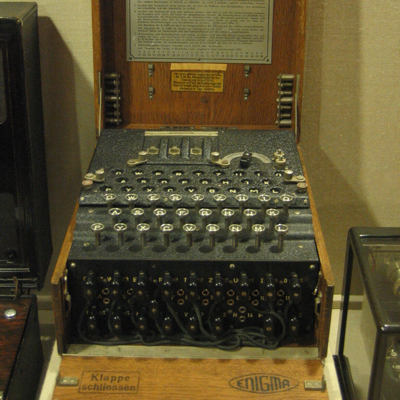
This is good, right?
Uncategorized
64
Posts
45
Posters
101
Views
-
We must stop this dance. Surely there is more to life than just screaming at one another. Do you not have hopes and dreams? Do you not wish for more?
@TheBreadmonkey @scream aaaaaaaaaaaahh
-
We must stop this dance. Surely there is more to life than just screaming at one another. Do you not have hopes and dreams? Do you not wish for more?
@TheBreadmonkey AAAHHHHHHHHHHH
-
@TheBreadmonkey @scream aaaaaaaaaaaahh
@bangskij AAAAAAAAAAAAAAAAAAAAAAAHHHHHHHHHHHHH
-
@TheBreadmonkey AAAHHHHHHHHHHH
Fine. You do you dude. Let it out. I'm here for you. X
-
Fine. You do you dude. Let it out. I'm here for you. X
@TheBreadmonkey AAAAAAAAAAAAAHHHHHHHHHHHHHH
-
@bangskij AAAAAAAAAAAAAAAAAAAAAAAHHHHHHHHHHHHH
-
@bangskij AAAAAAAAAAAAAHHHH
-
@crispius AAAAAAAAAAHHHHH
-
This is good, right?

@catsalad Trumpian mathematics.
-
This is good, right?
@catsalad TRUMP PERCENT - YOUR BOX IS MAGA. SET IT ON FIRE AND THROW IT FROM THE ROOF
-
@Eetschrijver @catsalad
Nobody knows as much about downloads as you do, GJ.
Haven't you stopped more than 8 downloads?
I, for one, think you deserve the Download Prize.@Guillotine_Jones
Thank you, I fully agree. And if whichever country it is that awards these doesn't bestow it on me, I feel I'm entitled to Washington, DC.
@catsalad -
Fine. You do you dude. Let it out. I'm here for you. X
maybe ahh . . . Is a sigh of comfort and pleasure, like slipping into a nice bath . . . aahhh . . .
-
maybe ahh . . . Is a sigh of comfort and pleasure, like slipping into a nice bath . . . aahhh . . .
@cgsines AAAAAAAAAAHHHHHHHHHHHH
-
This is good, right?
@catsalad Doooooood, you are so backed up! - the colonic tech.
-
This is good, right?
@catsalad yo dawg (or cat), we heard you were trying to build a recovery, so we put a recovery in your recovery so you can recover from your recovery
-
This is good, right?
@catsalad as long as it doesn't exceed 10000% it's fine, but after that it can explode into magma and shit.
-
@Guillotine_Jones
Thank you, I fully agree. And if whichever country it is that awards these doesn't bestow it on me, I feel I'm entitled to Washington, DC.
@catsalad@Eetschrijver @Guillotine_Jones @catsalad I have a Download Prize to give you if you are easily flattered.
-
@Eetschrijver @Guillotine_Jones @catsalad I have a Download Prize to give you if you are easily flattered.
@GregArcus
Not quite as easily as BLOATUS. 😂
@Guillotine_Jones @catsalad -
This is good, right?
💾 SUCCESS: Your recovery image is complete
⚠️ WARNING: This storage device is almost full: INTERNET
-
@GregArcus
Not quite as easily as BLOATUS. 😂
@Guillotine_Jones @catsalad@Eetschrijver
NOBODY is flattered as easily as BLOATUS, GJ.









Feed RSS
Gli ultimi otto messaggi ricevuti dalla Federazione
-
@marleenstikker what shocks me is that they qualify the European Commission and European member states as "foreign censors" (WHAAAAAT)?
-
Commissione d’inchiesta sulle fake-news o organo di controllo dell’informazione?
@giornalismo
articolo21.org/2026/03/commiss…
In Senato nasce una nuova Commissione di inchiesta che darà la caccia alle fake-news: il vasto programma di intenti può nascondere
-
@GustavinoBevilacqua ecco, ci penserò! 🤣
Temo che non penserò più ai pupazzi di neve senza che non mi venga in mente quest'immagine...
In realtà si può essere tristi ma non troppo a lungo, come si può crepare a maggio, ma ci vuole tanto, troppo coraggio
-
@dtl and I am giving this a like for the whimsical hashtag usage
-
-
@crowgirl blocked! thank you for the heads-up 🙏
-
*swishes cloak*
(be honest)
-
La scatola è un'altra delle sue invenzioni