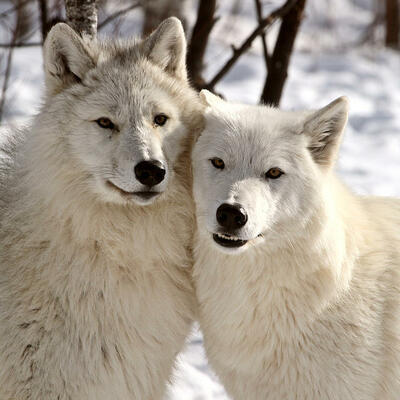
Have a #wolf!#wolf #bot
Uncategorized
1
Posts
1
Posters
9
Views

Feed RSS
Gli ultimi otto messaggi ricevuti dalla Federazione
-
Norm MacLennan (@nromdotcom.cloud) is coming to FediForum and wants to learn more about:
Existing or planned education/communication materials about the open social web for working with local institutions/organizations.
Sounds interesting? Join us, online! https://fediforum.org/2026-04/
-
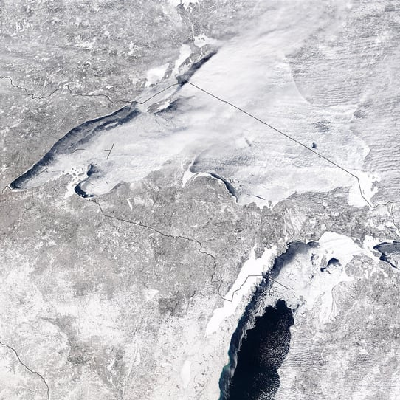
Current* conditions near Grand Marais, MN:
-
-
@swelljoe what's Loss?
-
@MLE_online it's probably also Loss if you squint hard enough.
-
@MLE_online it's the same picture.
-
@swelljoe if you squint hard enough, there's a Frank Miller noir style panel of a house there
-
#ProjectZwilling is doing good progress! I'm planning a blog post for next week where I'll go into more detail. #gamedev #pixelart #screenshotsaturday