remember folks: turn _in_ to the slide
Uncategorized
5
Posts
3
Posters
8
Views
-
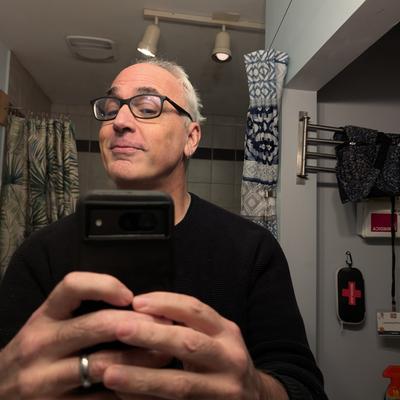
remember folks: turn _in_ to the slide
-
remember folks: turn _in_ to the slide
@js You ok John?
-
@js You ok John?
@dave just some friendly midwestern advice for new drivers on ice during the Storm Of The Decade
-
@dave just some friendly midwestern advice for new drivers on ice during the Storm Of The Decade
@js You're in the target zone I think.
-
remember folks: turn _in_ to the slide
@js@podcastindex.social negative; downshift, turn against, and drift sideways 😝
Source: Canadian
P.S. seriously don't do this unless you know what you're doing.



Gli ultimi otto messaggi ricevuti dalla Federazione
-
@django I don't know if you saw this or not. I refreshed the `ap` project and added more ways to do OAuth 2.0 discovery and authorization.
https://socialwebfoundation.org/2026/03/10/ap-the-activitypub-api-command-line-client/
-
Numeri primoriali e compositoriali
@matematica - Perché i fattoriali sono troppo mainstream
-
@tedchoward I checked and it's willing to let me sign up with my address, which has never happened in the half-dozen times I've tried in the past five years I've been here. I am still suspicious, and I'm planning to move sometime this year, so I'm kind of hesitant to do anything that takes effort or time or hassle (like scheduling a new installation and cancelling the old service). But, Spectrum is like 90 bucks a month vs. $50 for Sonic, plus two months free, allegedly with no contract.
-
@swelljoe I got something in the mail from them recently. It sounds like a great service that doesn’t exist yet (in Dallas). They’re very cagey about timelines, just that they’re coming “soon”.
-
韓國語 母語 話者로서 정말 하고 싶은 말이 많아지게 하는 글이네… 只今 東京 旅行中이라 글을 쓸 수가 없는데, 있다가 角 잡고 제대로 反駁 글을 써 봐야 할 듯.
-
@raganwald @cdegroot ah, following in CAR's footsteps. Doing the rest of the work.
-
“C.A.R. Hoare is survived by his fraternal twin brother, C.D.R. Hoare"
-
@chris holding you and her in the light.