Confesercenti, autonomi più poveri: persi 9.800 euro dal 2007.
Uncategorized
2
Posts
2
Posters
0
Views
-
Confesercenti, autonomi più poveri: persi 9.800 euro dal 2007. Mattarella: “Salari da adeguare”
https://www.repubblica.it/economia/2025/12/09/news/confesercenti_autonomi_poveri_mattarella-425030711/?utm_source=flipboard&utm_medium=activitypubPubblicato su Economia - La Repubblica @economia-la-repubblica-repubblica
-
Confesercenti, autonomi più poveri: persi 9.800 euro dal 2007. Mattarella: “Salari da adeguare”
https://www.repubblica.it/economia/2025/12/09/news/confesercenti_autonomi_poveri_mattarella-425030711/?utm_source=flipboard&utm_medium=activitypubPubblicato su Economia - La Repubblica @economia-la-repubblica-repubblica
@repubblica @economia-la-repubblica-repubblica tre anni di disastro meloni lo pagano pure i commercianti di lei tifosi


Gli ultimi otto messaggi ricevuti dalla Federazione
-
Ricordare
Ricordare
Ricordare
-
@mcc [four on the floor kick drum starts playing]
-
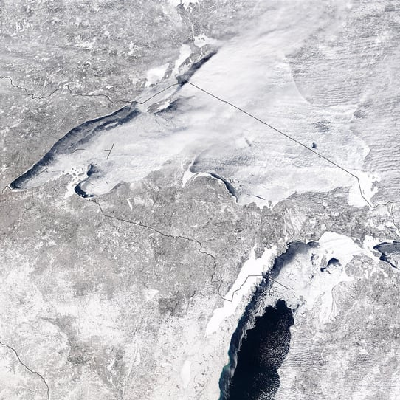
Current* conditions near Duluth, MN:
-
Everybody will become a Stalfos.
Everybody, Stalfos.
-
Nominating "Stalfos" for the new euphemism
-
When people ask why my Ocarina of Time screenshots have Zelda as the protagonist
-
Punirne migliaia per correggerne qualcuno
Iniziative aziendali indiscriminate.
-
I.A. BASTA! Appello dei docenti contro l’Intelligenza Artificiale “centralizzata” nelle scuole
@anarchia
Riprendiamo da http://terraeliberta.noblogs.org Rilanciamo questo notevole appello della neonata rete di docenti “I.A. Basta!”. In fondo aggiungiamo una nostra nota critica. Da https://iabasta.ghost.io/primo-appello/ Primo appello alle comunità