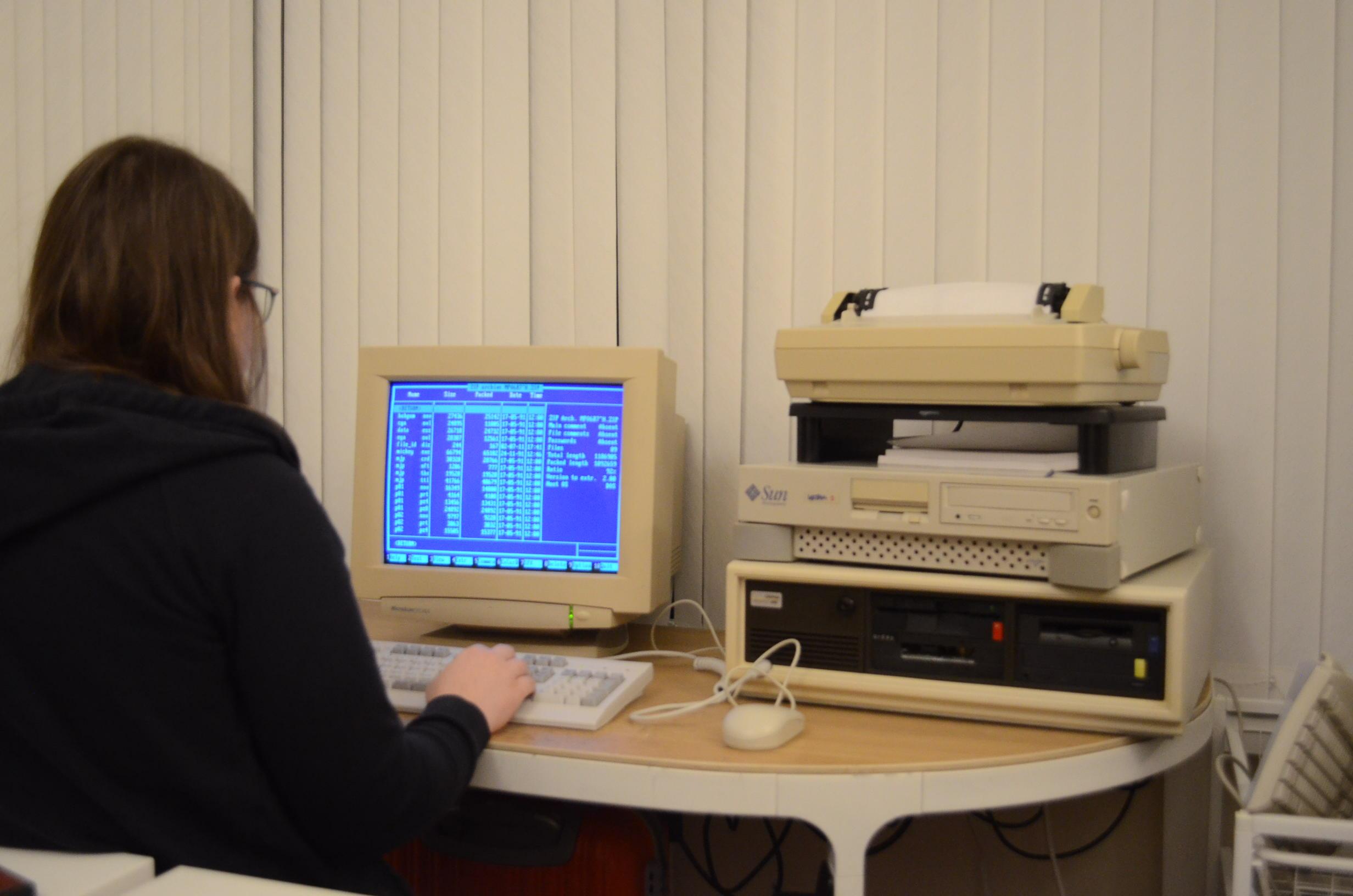
Our 286 computer is so cool 😭 it might not be peak computing, but it's very close to it
Uncategorized
28
Posts
13
Posters
1
Views
-
Our 286 computer is so cool 😭 it might not be peak computing, but it's very close to it
@nina_kali_nina Beautiful! Which file manager is that? :) -
@nina_kali_nina And there is a nice, loud dot matrix printer! 9 or 24 pins?
By the way, these old printers still work with Linux.
@till It's a 9-pin, and yes, I use it with Ubuntu for quick man page-ing; it's surprisingly fast for text printing
-
@nina_kali_nina Beautiful! Which file manager is that? :)
@ltning this is RAR in the process of unpacking an archive
-
Our 286 computer is so cool 😭 it might not be peak computing, but it's very close to it
@nina_kali_nina sun ultra 5 spotted -
@domi this is all thanks to Atsuko 🥰
-
@ltning this is RAR in the process of unpacking an archive
@nina_kali_nina Wait what? Rar has an UI? -
@nina_kali_nina Wait what? Rar has an UI?
@ltning yep. And this is a RARe version that works on 8088/286, too.
-
Our 286 computer is so cool 😭 it might not be peak computing, but it's very close to it
@nina_kali_nina wtf SUN workstation with UltraSPARC

-
Our 286 computer is so cool 😭 it might not be peak computing, but it's very close to it
@nina_kali_nina i miss having a matrix printer -
Our 286 computer is so cool 😭 it might not be peak computing, but it's very close to it
@nina_kali_nina The Sun isn't bad either.






Gli ultimi otto messaggi ricevuti dalla Federazione
-
for the Director-General you can compose a parody of arguably most famous patter song in Pirates of Penzance
-
@stefano For the hosting and cappuccino 🙂
-
@Jgbird majestic as fuck
-
When I was home over Christmas, I was digging through some of my dad’s baseball memorabilia when I came across a copy of the Washington Post from March 7, 1999: “Printing Revolution Spurs New Look,” the lead headline read. The paper was such an incredible artifact that I took photos of each of its pages.
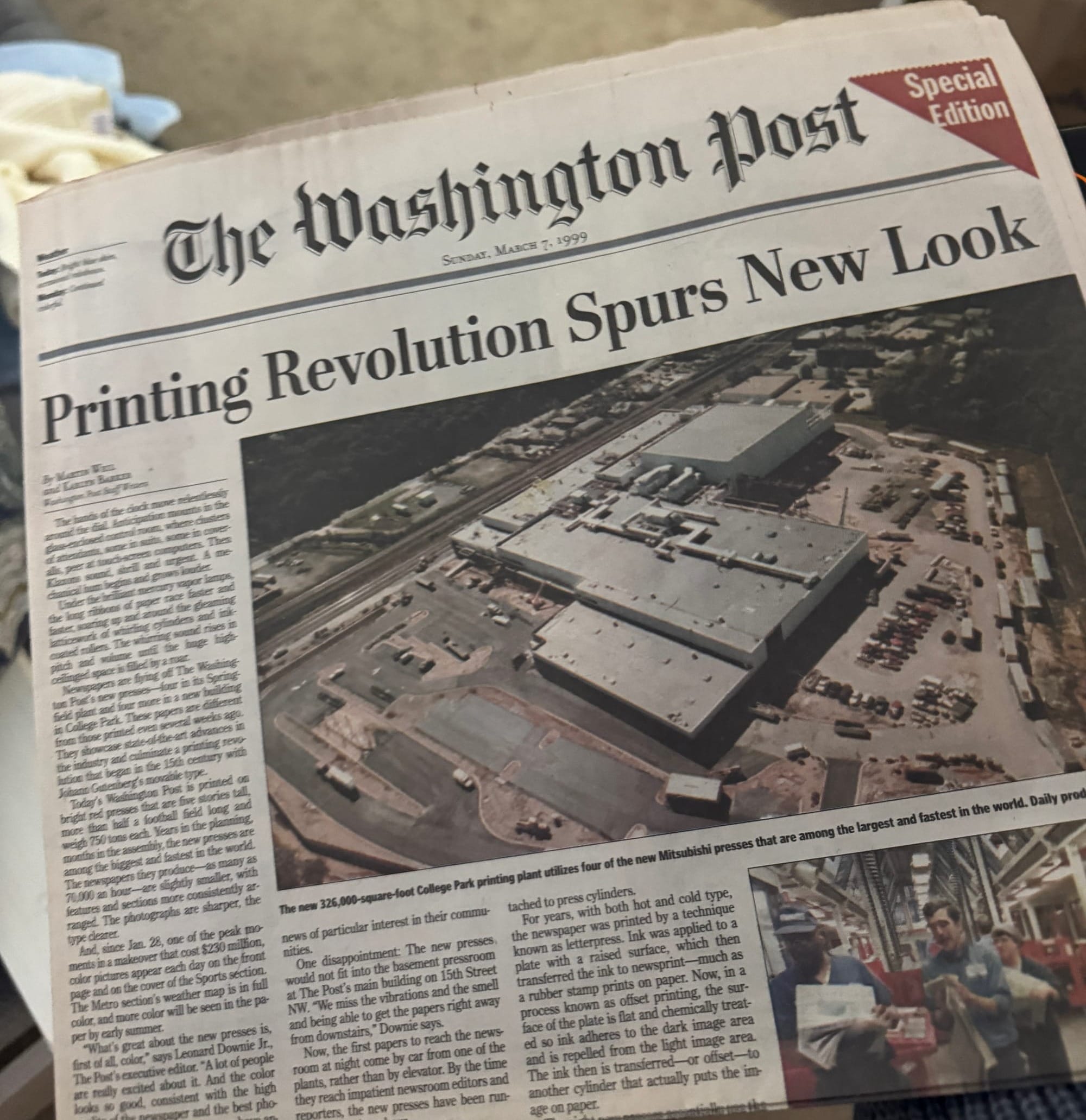
The paper was a “special edition” printed to commemorate the opening of its College Park, Maryland printing press, where my dad worked for years. This special edition was presumably one of the first papers that came off those presses. It was an almost unimaginably optimistic time for the journalism business: “Newspapers are flying off the Washington Post’s new presses—four in its Springfield plant and four more in a new building in College Park,” the article read. “These papers are different from those printed even several weeks ago. They showcase state-of-the-art advances in the industry and culminate a printing revolution that began in the 15th century on Johann Gutenberg’s moveable type.” In a photo, the publisher of The Post, Donald Graham, posed with a stack of “some of the first color papers at College Park.”
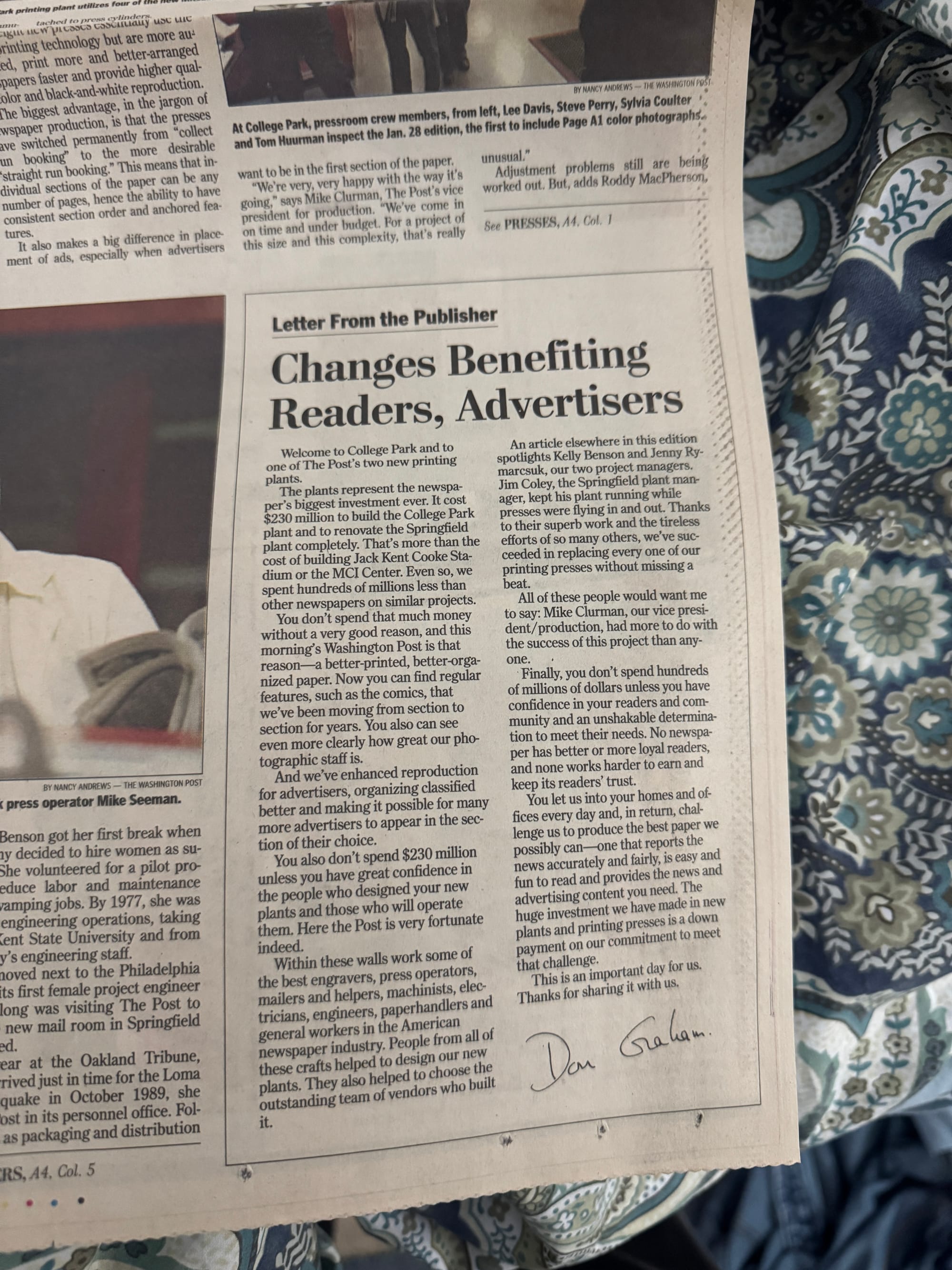
An info box called “Things to Know” explained that The Post printed 800,000 copies on weekdays and 1.1 million copies on Sundays. In a letter from the publisher titled “Changes Benefiting Readers, Advertisers,” Graham wrote that the new printing plant was “the newspaper’s biggest investment ever” and cost $230 million. “You don’t spend that much money without a very good reason, and this morning’s Washington Post is that reason—a better printed, better-organized paper,” he wrote. “Within these walls work some of the best engravers, press operators, mailers and helpers, machinists, electricians, engineers, paper handlers, and general workers in the American newspaper industry […] you don’t spend hundreds of millions of dollars unless you have confidence in your readers and community and an unshakeable determination to meet their needs. No newspaper has better or more loyal readers, and none works harder to earn and keep its readers’ trust.”
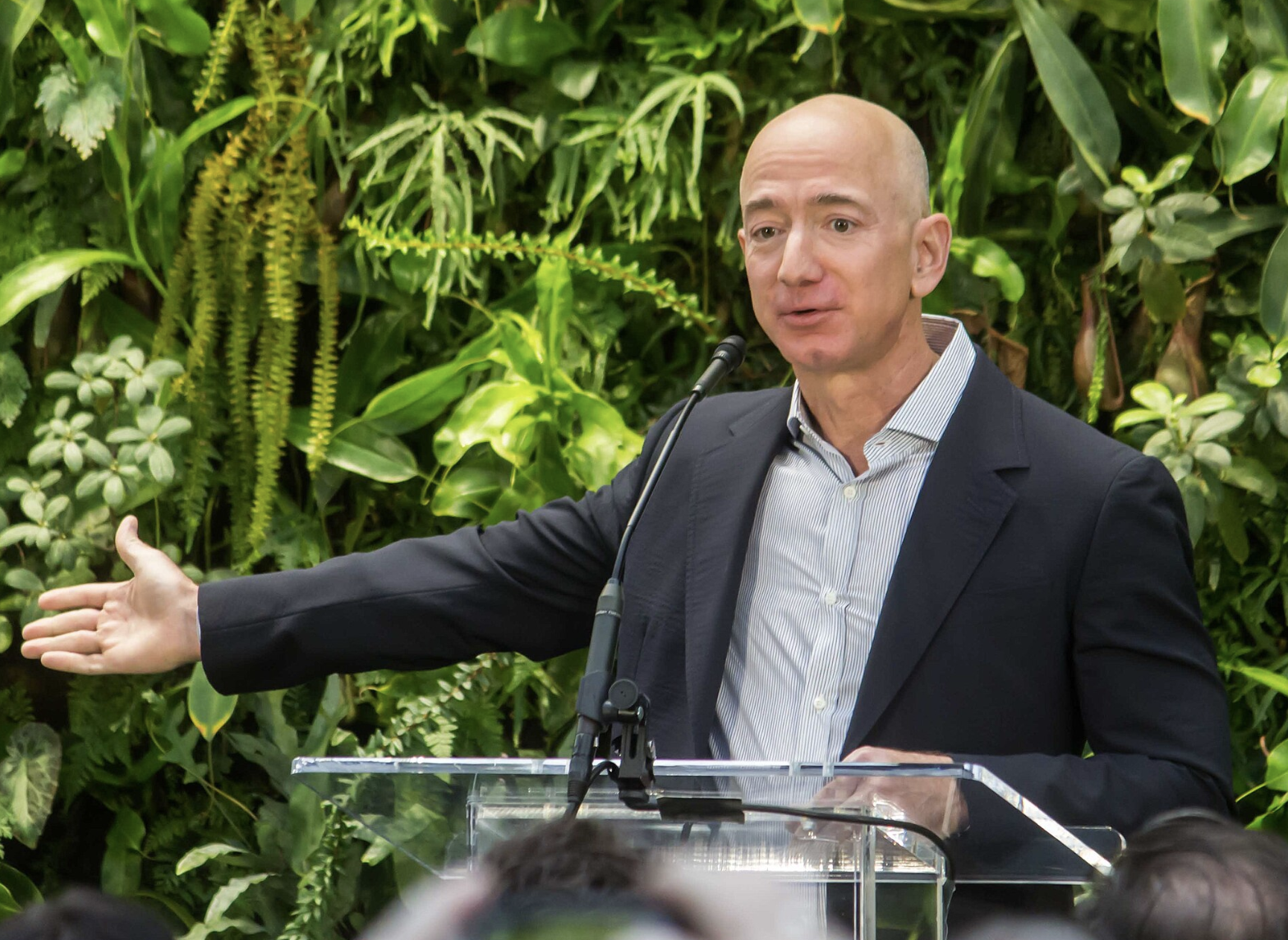
You know the rest of the story. Graham eventually sold the newspaper to Jeff Bezos, one of the world’s richest men, for a little more than The Post paid for those printing presses. In the short term, Bezos invested in the paper but has appeared to have lost interest in employing large numbers of good journalists, at least some of whom reported aggressively on his various businesses. On Wednesday the Post laid off hundreds of journalists, which destroyed entire sections of the newspaper, including much of its foreign bureau coverage, and gutted many of its sections.
I already mined my dad’s history at The Washington Post for an article about how Bezos was killing the paper that I wrote back in 2024. When people ask me why I became a journalist, “my dad printed the Washington Post” is always the first thing I mention. But it goes a bit deeper than that.
One of my first internships in college was at Washington Post Express, the free daily paper that was handed out on the Metro that at the time operated out of an office in Virginia away from the main Washington Post newsroom alongside washingtonpost.com. These all operated somewhat separately from the regular newspaper for what were, in retrospect, obviously misguided business reasons. And I majored in journalism at the University of Maryland, where I took a sportswriting class with George Solomon, who was the longtime editor of the paper’s legendary sports section, which was unceremoniously killed Wednesday. In Solomon’s class, we had to read All Those Mornings at the Post, written by the legendary sportswriter Shirley Povich. Every major Washington Post sportswriter came in to talk to our class at some point, which is one of the few things I actually remember from journalism school. The Washington Post has been a critical institution in my life and in the lives of millions of people who live in the D.C. area. “We lost something very, very big today,” Solomon said on Wednesday. “The owner of the newspaper is a very successful man, and he may see that he made a mistake.”
What we’re seeing, though, is not a mistake. Unlike the Graham family in the late 1990s, Jeff Bezos has no reason to try to make his newspaper better or to try to best serve its readers. The newspaper's finances are barely a rounding error compared to Bezos's wealth, but what its journalists do—accountability journalism about the rich and powerful—does not serve someone who is rich and powerful. The Washington Post and many of its reporters are no longer useful to Bezos, and so he has decided to get rid of them.
The Washington Post’s journalists, many of whom lost their jobs this week, have continued to do critical work, but Bezos has been systematically making the paper worse for years. Like other news outlets, they have suffered from regular cuts. Under Bezos, The Washington Post also announced plans to jam weird AI into the paper, refused to allow the paper to endorse a presidential candidate, and meddled with its opinion section, leading to mass subscriber cancellations. Jeff Bezos’s Washington Post no longer, as Graham wrote in his letter all those years ago, has an “unshakeable determination to meet [readers’] needs.”
As I wrote in that 2024 article called “the billionaire is the threat, not the solution,” the biggest threat to The Washington Post for years has been Bezos, not the difficulties of the news industry, The Post’s business model, the macroeconomy, or anything else. In the utterly psychotic letter to readers that spurred my article, Bezos wrote “you can see my wealth and business interests as a bulwark against intimidation, or you can see them as a web of conflicting interests.” You can also look at his ownership of The Post as what it actually is: completely irrelevant to his wealth, and an annoyance under an administration that demands fealty, bribes, and ritual sacrifices from businesses and major media companies. Bezos could fund The Washington Post well past his own death, but he clearly has zero interest in doing this. The news business is hard, but we simply cannot keep relying on the idea that journalism can be funded by billionaires whose personal interests are at direct odds with accountability work.
In our current kleptocracy, there is no need for a multibillionaire with tons of business before the government to invest in or have a media company focused on journalism about the administration or about the rich and powerful. The collateral damage is all of the good journalists who have lost their jobs, the legacy of the Washington Post, and the people of the Washington, D.C. metro area. Bezos has found an easier, faster way to get what he wants. The layoffs at The Post come just days after Amazon spent roughly the $75 million to release the Melania bribe documentary. You don’t spend that much money without a very good reason.
-
@deesajoe
Ah eccolo
https://sbroccogiocattoli.com/shop/no-action-figures/no-action-figure-sailor-moo/
-
@peterkotrcka thank you very very much!
-
New page of my scifi webcomic was released on Monday! Have you checked it out yet?
#webcomic #aliens #graphicnovel #leavingthecradle #spiderforest #comic #update #MastoArt