Remember how SQL (still called SEQUEL) was supposed to make non-techies able to talk to computers?
Uncategorized
24
Posts
13
Posters
3
Views
-
Remember how SQL (still called SEQUEL) was supposed to make non-techies able to talk to computers?
> there is also a large class of users who, while they are not computer specialists, would be willing to learn to interact with a computer in a reasonably high-level, non-procedural query language. Examples
of such users are accountants, engineers, architects, and urban planners
https://dl.acm.org/doi/epdf/10.1145/800296.811515How quaint!
Anyway, tell me again how LLMs are making non-techies able to talk to computers. 👀
It's not that unrealistic. I knew a couple of secretaries at a former employer who kept getting asked to do reports, bought themselves SQL books so they could generate reports directly.
As a software developer I'd sometimes ask their advice on quirks about the database.
Their skills got them promoted to "administrative assistant" positions.
But the problem has never been that computer languages are hard to learn. It is that knowing how to solve abstract problems by organising and manipulating information is a skill that people don't want to pay for.
-
@rysiek
Scotty: "Computer, write me a prompt for this other computer...."@spytfyre @rysiek Voice recognition and prompt engineering? This can only go well: https://www.youtube.com/watch?v=HbDnxzrbxn4
-
Remember how SQL (still called SEQUEL) was supposed to make non-techies able to talk to computers?
> there is also a large class of users who, while they are not computer specialists, would be willing to learn to interact with a computer in a reasonably high-level, non-procedural query language. Examples
of such users are accountants, engineers, architects, and urban planners
https://dl.acm.org/doi/epdf/10.1145/800296.811515How quaint!
Anyway, tell me again how LLMs are making non-techies able to talk to computers. 👀
@rysiek You need to go to SQL (school) and take a SQL (sequel) to not break your SQL (skull).
-
@rysiek Not only that, but I remember MS Access being sold as making databases so easy, your CEO can use them - and having to clean up the aftermath.
It used a query language similar to, but not quite the same as, SQL :headdesk:
-
@rysiek Not only that, but I remember MS Access being sold as making databases so easy, your CEO can use them - and having to clean up the aftermath.
It used a query language similar to, but not quite the same as, SQL :headdesk:
-
It's not that unrealistic. I knew a couple of secretaries at a former employer who kept getting asked to do reports, bought themselves SQL books so they could generate reports directly.
As a software developer I'd sometimes ask their advice on quirks about the database.
Their skills got them promoted to "administrative assistant" positions.
But the problem has never been that computer languages are hard to learn. It is that knowing how to solve abstract problems by organising and manipulating information is a skill that people don't want to pay for.
> But the problem has never been that computer languages are hard to learn. It is that knowing how to solve abstract problems by organising and manipulating information is a skill that people don't want to pay for.
Exactly this is my point. And that no technical solution will ever exist for this particular social problem.
-
-
@rysiek BASIC was my first programming language!
...wait, it's worse. I have forgotten the language, other than it having GOTO and GOSUB.
@KatS add IF, RETURN, FOR and NEXT and that was basically all of BASIC.
Really great for writing spaghetti code. Complicated almost like assembler, but much slower!
-
Remember how SQL (still called SEQUEL) was supposed to make non-techies able to talk to computers?
> there is also a large class of users who, while they are not computer specialists, would be willing to learn to interact with a computer in a reasonably high-level, non-procedural query language. Examples
of such users are accountants, engineers, architects, and urban planners
https://dl.acm.org/doi/epdf/10.1145/800296.811515How quaint!
Anyway, tell me again how LLMs are making non-techies able to talk to computers. 👀
@rysiek I had exactly the same idea: there was era, when databases, including SQL, were marketed as solution for everything and supposedly, no one will have to do programming any longer. And if we were about to do programming anyway, we would do it by clicking by mouse and drawing algorithms (which of course never happened...)
(except there was parallel rise in spreadsheets, which did almost the same thing, but differently...)
-
-
Remember how SQL (still called SEQUEL) was supposed to make non-techies able to talk to computers?
> there is also a large class of users who, while they are not computer specialists, would be willing to learn to interact with a computer in a reasonably high-level, non-procedural query language. Examples
of such users are accountants, engineers, architects, and urban planners
https://dl.acm.org/doi/epdf/10.1145/800296.811515How quaint!
Anyway, tell me again how LLMs are making non-techies able to talk to computers. 👀
@rysiek hahaha the ERP system the company I work for is using just switched their whole DB-system around to be able to give their customers an AI-supported drag and drop GUI "no-code" alternative to SQL.
It is limited in its abilities and soooo painful to use. Before SQL queries have been free. Now "code" queries cost as well as the "no code" alternative.
They promised their AI would transfer the old queries to their new DB structure.
IRL only the most simple ones have been transferred and I had to redo most queries.
Everyone in the "community" (aka customers who can't easily escape) is hating it while they are celebrating it as the new hot shit.










Feed RSS
Gli ultimi otto messaggi ricevuti dalla Federazione
-
Ciao Simona @corona
ho due post da aggiungere come D22 e D23 e poi chiamerò tutta la sequenza
DNN o DialogoNonNatoPer me è come il testimone di una corsa a staffetta che ho iniziato 44 anni fa senza mai trovare qualcuno pronto a riceverlo
Non si poteva trovarlo quando si correva per fare il mercato delle piattaforme e non si potrà trovarlo correndo come vogliono le piattaforme
Dal 69 all'83 le piattaforme in Europa si potevano adeguare ai bisogni di comunità di utenti
-
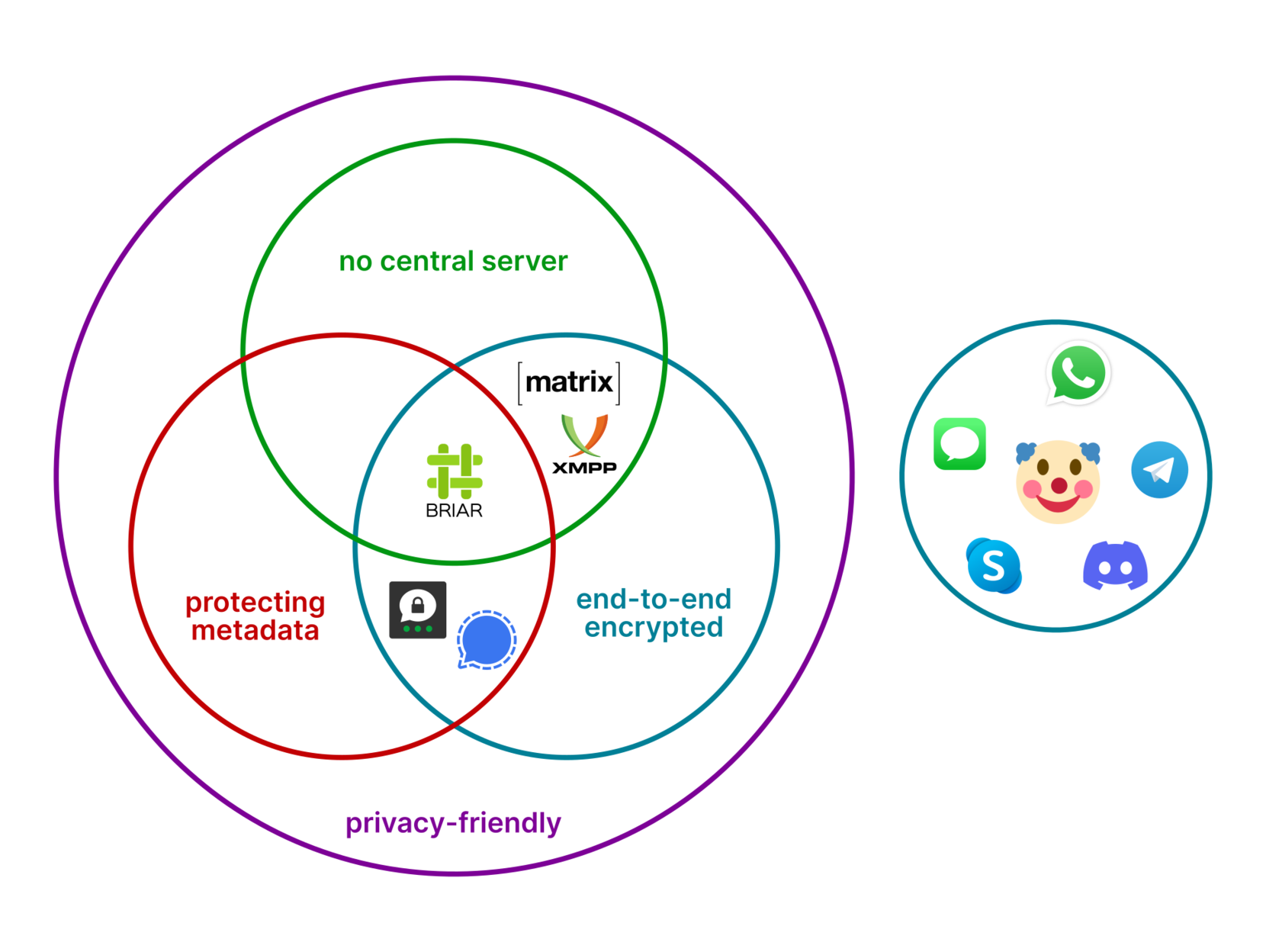
@mariosiniscalchi in teoria si, in pratica chi ci trovi dentro briar?Nessuno, quindi il miglior compromesso è Matrix. Ok qualche metadato lo cedi ma se stai su un server noprofit comematrix o mozilla non hai problemi, visto che non monetizzano i dati.
-
Non vi piaceva più il centralismo democratico? Accattatevi Picierno, Barbera... e mò pure Minniti. Cin cin. 🥂🥂 Vostro Vladimir Ulianov 😉
-
Music for low-level coding. https://www.youtube.com/watch?v=XRaa34E8tXQ
-
Ci facciamo una fumatina?
Sa pipa allutonada, la tradizionale pipa teuladina. Cannello generalmente fatto in legno di sambuco e fornello in terracotta, spesso ornato con l'ottone.
Ravanando nei file archiviati sono saltate fuori delle foto che avevo fatto 12 anni fa in un'esposizione di un artigiano al Palazzo Baronale a #Teulada
-
@mariosiniscalchi ciao se puoi rilancialo anche nel gruppo salute aggiungendo il tag @salute@diggita.com così lo leggeranno anche tutti i follower grazie! :)
-
@AlexPed notte Alex 💫
-
La pubblicità della SIP è stata un’allucinazione collettiva, vero? VERO?!