
Something Surprising Happens When Bus Rides Are Free
-
Free buses? Really? Of all the promises that Zohran Mamdani made during his New York City mayoral campaign, that one struck some skeptics as the most frivolous leftist fantasy. Unlike housing, groceries and child care, which weigh heavily on New Yorkers’ finances, a bus ride is just a few bucks. Is it really worth the huge effort to spare people that tiny outlay?
It is. Far beyond just saving riders money, free buses deliver a cascade of benefits, from easing traffic to promoting public safety. Just look at Boston; Chapel Hill, N.C.; Richmond, Va.; Kansas City, Mo.; and even New York itself, all of which have tried it to excellent effect. And it doesn’t have to be costly — in fact, it can come out just about even.
As a lawyer, I feel most strongly about the least-discussed benefit: Eliminating bus fares can clear junk cases out of our court system, lowering the crushing caseloads that prevent our judges, prosecutors and public defenders from focusing their attention where it’s most needed.
I was a public defender, and in one of my first cases I was asked to represent a woman who was not a robber or a drug dealer — she was someone who had failed to pay the fare on public transit. Precious resources had been spent arresting, processing, prosecuting and trying her, all for the loss of a few dollars. This is a daily feature of how we criminalize poverty in America.
Unless a person has spent real time in the bowels of a courthouse, it’s hard to imagine how many of the matters clogging criminal courts across the country originate from a lack of transit. Some of those cases result in fines; many result in defendants being ordered to attend community service or further court dates. But if people can’t afford the fare to get to those appointments and can’t get a ride, their only options — jump a turnstile or flout a judge’s order — expose them to re-arrest. Then they may face jail time, which adds significant pressure to our already overcrowded facilities. Is this really what we want the courts spending time on?
Free buses can unclog our streets, too. In Boston, eliminating the need for riders to pay fares or punch tickets cut boarding time by as much as 23 percent, which made everyone’s trip faster. Better, cheaper, faster bus rides give automobile owners an incentive to leave their cars at home, which makes the journey faster still — for those onboard as well as those who still prefer to drive.
How much should a government be willing to pay to achieve those outcomes? How about nothing? When Washington State’s public transit systems stopped charging riders, in many municipalities the state came out more or less even — because the money lost on fares was balanced out by the enormous savings that ensued.
Fare evasion was one of the factors that prompted Mayor Eric Adams to flood New York City public transit with police officers. New Yorkers went from shelling out $4 million for overtime in 2022 to $155 million in 2024. What did it get them? In September 2024, officers drew their guns to shoot a fare beater who was wielding a knife and two innocent bystanders ended up with bullet wounds, the kind of accident that’s all but inevitable in such a crowded setting.
New York City tried a free bus pilot program in 2023 and 2024 and, as predicted, ridership increased — by 30 percent on weekdays and 38 percent on weekends, striking figures that could make a meaningful dent in New York’s chronic traffic problem (and, by extension, air and noise pollution). Something else happened that was surprising: Assaults on bus operators dropped 39 percent. Call it the opposite of the Adams strategy: Lowering barriers to access made for fewer tense law enforcement encounters, fewer acts of desperation and a safer city overall.
If free buses strike you as wasteful, you’re not alone. Plenty of the beneficiaries would be people who can afford to pay. Does it make sense to give them a freebie? Yes, if it improves the life of the city, just as free parks, libraries and public schools do. Don’t think of it as a giveaway to the undeserving. Think of it as a gift to all New Yorkers in every community. We deserve it.

One of those things of which libertarians often crow is 'a rising tide lifts all boats', so often interpreted as the general quantity of wealth entering a locale as a net positive. A moment's reflection proves that interpretation false: a billionaire moving into an impoverished community (she says with bitter irony) is unlikely to result in substantial gains to that community as a whole.
In contrast, a comparatively meager benefit increase to mixed communities, a rise in the base standard of living, carries all the benefits you've stated and more. It lowers crime, both actual and perceived (a person with options available to them will typically not pick the most dangerous), it allows use of public resources rather than leaving them to collect dust, and it instills a sense that it's better to be there, helping to stem the outflow which historically plagues disadvantaged communities.
In his support of free buses and other bonuses to those living in the city, Mamdani distinguishes himself -- rather than a New York Mayor, he's working hard to show himself to be the Mayor of New York.
-
Free buses? Really? Of all the promises that Zohran Mamdani made during his New York City mayoral campaign, that one struck some skeptics as the most frivolous leftist fantasy. Unlike housing, groceries and child care, which weigh heavily on New Yorkers’ finances, a bus ride is just a few bucks. Is it really worth the huge effort to spare people that tiny outlay?
It is. Far beyond just saving riders money, free buses deliver a cascade of benefits, from easing traffic to promoting public safety. Just look at Boston; Chapel Hill, N.C.; Richmond, Va.; Kansas City, Mo.; and even New York itself, all of which have tried it to excellent effect. And it doesn’t have to be costly — in fact, it can come out just about even.
As a lawyer, I feel most strongly about the least-discussed benefit: Eliminating bus fares can clear junk cases out of our court system, lowering the crushing caseloads that prevent our judges, prosecutors and public defenders from focusing their attention where it’s most needed.
I was a public defender, and in one of my first cases I was asked to represent a woman who was not a robber or a drug dealer — she was someone who had failed to pay the fare on public transit. Precious resources had been spent arresting, processing, prosecuting and trying her, all for the loss of a few dollars. This is a daily feature of how we criminalize poverty in America.
Unless a person has spent real time in the bowels of a courthouse, it’s hard to imagine how many of the matters clogging criminal courts across the country originate from a lack of transit. Some of those cases result in fines; many result in defendants being ordered to attend community service or further court dates. But if people can’t afford the fare to get to those appointments and can’t get a ride, their only options — jump a turnstile or flout a judge’s order — expose them to re-arrest. Then they may face jail time, which adds significant pressure to our already overcrowded facilities. Is this really what we want the courts spending time on?
Free buses can unclog our streets, too. In Boston, eliminating the need for riders to pay fares or punch tickets cut boarding time by as much as 23 percent, which made everyone’s trip faster. Better, cheaper, faster bus rides give automobile owners an incentive to leave their cars at home, which makes the journey faster still — for those onboard as well as those who still prefer to drive.
How much should a government be willing to pay to achieve those outcomes? How about nothing? When Washington State’s public transit systems stopped charging riders, in many municipalities the state came out more or less even — because the money lost on fares was balanced out by the enormous savings that ensued.
Fare evasion was one of the factors that prompted Mayor Eric Adams to flood New York City public transit with police officers. New Yorkers went from shelling out $4 million for overtime in 2022 to $155 million in 2024. What did it get them? In September 2024, officers drew their guns to shoot a fare beater who was wielding a knife and two innocent bystanders ended up with bullet wounds, the kind of accident that’s all but inevitable in such a crowded setting.
New York City tried a free bus pilot program in 2023 and 2024 and, as predicted, ridership increased — by 30 percent on weekdays and 38 percent on weekends, striking figures that could make a meaningful dent in New York’s chronic traffic problem (and, by extension, air and noise pollution). Something else happened that was surprising: Assaults on bus operators dropped 39 percent. Call it the opposite of the Adams strategy: Lowering barriers to access made for fewer tense law enforcement encounters, fewer acts of desperation and a safer city overall.
If free buses strike you as wasteful, you’re not alone. Plenty of the beneficiaries would be people who can afford to pay. Does it make sense to give them a freebie? Yes, if it improves the life of the city, just as free parks, libraries and public schools do. Don’t think of it as a giveaway to the undeserving. Think of it as a gift to all New Yorkers in every community. We deserve it.

Fares are an excuse to surveil the passengers. They will pay EXTRA to inconvenience everyone while making sure that happens.
-
Free buses? Really? Of all the promises that Zohran Mamdani made during his New York City mayoral campaign, that one struck some skeptics as the most frivolous leftist fantasy. Unlike housing, groceries and child care, which weigh heavily on New Yorkers’ finances, a bus ride is just a few bucks. Is it really worth the huge effort to spare people that tiny outlay?
It is. Far beyond just saving riders money, free buses deliver a cascade of benefits, from easing traffic to promoting public safety. Just look at Boston; Chapel Hill, N.C.; Richmond, Va.; Kansas City, Mo.; and even New York itself, all of which have tried it to excellent effect. And it doesn’t have to be costly — in fact, it can come out just about even.
As a lawyer, I feel most strongly about the least-discussed benefit: Eliminating bus fares can clear junk cases out of our court system, lowering the crushing caseloads that prevent our judges, prosecutors and public defenders from focusing their attention where it’s most needed.
I was a public defender, and in one of my first cases I was asked to represent a woman who was not a robber or a drug dealer — she was someone who had failed to pay the fare on public transit. Precious resources had been spent arresting, processing, prosecuting and trying her, all for the loss of a few dollars. This is a daily feature of how we criminalize poverty in America.
Unless a person has spent real time in the bowels of a courthouse, it’s hard to imagine how many of the matters clogging criminal courts across the country originate from a lack of transit. Some of those cases result in fines; many result in defendants being ordered to attend community service or further court dates. But if people can’t afford the fare to get to those appointments and can’t get a ride, their only options — jump a turnstile or flout a judge’s order — expose them to re-arrest. Then they may face jail time, which adds significant pressure to our already overcrowded facilities. Is this really what we want the courts spending time on?
Free buses can unclog our streets, too. In Boston, eliminating the need for riders to pay fares or punch tickets cut boarding time by as much as 23 percent, which made everyone’s trip faster. Better, cheaper, faster bus rides give automobile owners an incentive to leave their cars at home, which makes the journey faster still — for those onboard as well as those who still prefer to drive.
How much should a government be willing to pay to achieve those outcomes? How about nothing? When Washington State’s public transit systems stopped charging riders, in many municipalities the state came out more or less even — because the money lost on fares was balanced out by the enormous savings that ensued.
Fare evasion was one of the factors that prompted Mayor Eric Adams to flood New York City public transit with police officers. New Yorkers went from shelling out $4 million for overtime in 2022 to $155 million in 2024. What did it get them? In September 2024, officers drew their guns to shoot a fare beater who was wielding a knife and two innocent bystanders ended up with bullet wounds, the kind of accident that’s all but inevitable in such a crowded setting.
New York City tried a free bus pilot program in 2023 and 2024 and, as predicted, ridership increased — by 30 percent on weekdays and 38 percent on weekends, striking figures that could make a meaningful dent in New York’s chronic traffic problem (and, by extension, air and noise pollution). Something else happened that was surprising: Assaults on bus operators dropped 39 percent. Call it the opposite of the Adams strategy: Lowering barriers to access made for fewer tense law enforcement encounters, fewer acts of desperation and a safer city overall.
If free buses strike you as wasteful, you’re not alone. Plenty of the beneficiaries would be people who can afford to pay. Does it make sense to give them a freebie? Yes, if it improves the life of the city, just as free parks, libraries and public schools do. Don’t think of it as a giveaway to the undeserving. Think of it as a gift to all New Yorkers in every community. We deserve it.

The DASH bus system in Alexandria, VA went to a free fare system during COVID and decided to keep it that way. It's awesome.
I've got a free bus that picks up a couple blocks from my house every half-hour and drops me off in Old Town by city hall 15 minutes later.
I'm making a lot more trips there now that I don't have to worry about finding and paying for parking. And that means I'm probably spending more money on goods and services when I get there. And that means there's probably more overall tax revenue than they'd get from fare collection.
And by the way, fare collection and enforcement costs money, too! It costs so much to collect money that you're better off just... not.
It was also great when I was called up for jury duty during the week of the ice storm. I didn't have to worry about how to drive to the court house or where I was going to park. It just worked.
-
Free buses? Really? Of all the promises that Zohran Mamdani made during his New York City mayoral campaign, that one struck some skeptics as the most frivolous leftist fantasy. Unlike housing, groceries and child care, which weigh heavily on New Yorkers’ finances, a bus ride is just a few bucks. Is it really worth the huge effort to spare people that tiny outlay?
It is. Far beyond just saving riders money, free buses deliver a cascade of benefits, from easing traffic to promoting public safety. Just look at Boston; Chapel Hill, N.C.; Richmond, Va.; Kansas City, Mo.; and even New York itself, all of which have tried it to excellent effect. And it doesn’t have to be costly — in fact, it can come out just about even.
As a lawyer, I feel most strongly about the least-discussed benefit: Eliminating bus fares can clear junk cases out of our court system, lowering the crushing caseloads that prevent our judges, prosecutors and public defenders from focusing their attention where it’s most needed.
I was a public defender, and in one of my first cases I was asked to represent a woman who was not a robber or a drug dealer — she was someone who had failed to pay the fare on public transit. Precious resources had been spent arresting, processing, prosecuting and trying her, all for the loss of a few dollars. This is a daily feature of how we criminalize poverty in America.
Unless a person has spent real time in the bowels of a courthouse, it’s hard to imagine how many of the matters clogging criminal courts across the country originate from a lack of transit. Some of those cases result in fines; many result in defendants being ordered to attend community service or further court dates. But if people can’t afford the fare to get to those appointments and can’t get a ride, their only options — jump a turnstile or flout a judge’s order — expose them to re-arrest. Then they may face jail time, which adds significant pressure to our already overcrowded facilities. Is this really what we want the courts spending time on?
Free buses can unclog our streets, too. In Boston, eliminating the need for riders to pay fares or punch tickets cut boarding time by as much as 23 percent, which made everyone’s trip faster. Better, cheaper, faster bus rides give automobile owners an incentive to leave their cars at home, which makes the journey faster still — for those onboard as well as those who still prefer to drive.
How much should a government be willing to pay to achieve those outcomes? How about nothing? When Washington State’s public transit systems stopped charging riders, in many municipalities the state came out more or less even — because the money lost on fares was balanced out by the enormous savings that ensued.
Fare evasion was one of the factors that prompted Mayor Eric Adams to flood New York City public transit with police officers. New Yorkers went from shelling out $4 million for overtime in 2022 to $155 million in 2024. What did it get them? In September 2024, officers drew their guns to shoot a fare beater who was wielding a knife and two innocent bystanders ended up with bullet wounds, the kind of accident that’s all but inevitable in such a crowded setting.
New York City tried a free bus pilot program in 2023 and 2024 and, as predicted, ridership increased — by 30 percent on weekdays and 38 percent on weekends, striking figures that could make a meaningful dent in New York’s chronic traffic problem (and, by extension, air and noise pollution). Something else happened that was surprising: Assaults on bus operators dropped 39 percent. Call it the opposite of the Adams strategy: Lowering barriers to access made for fewer tense law enforcement encounters, fewer acts of desperation and a safer city overall.
If free buses strike you as wasteful, you’re not alone. Plenty of the beneficiaries would be people who can afford to pay. Does it make sense to give them a freebie? Yes, if it improves the life of the city, just as free parks, libraries and public schools do. Don’t think of it as a giveaway to the undeserving. Think of it as a gift to all New Yorkers in every community. We deserve it.
Are you the OP? Do you have a citation for the MBTA (Boston) no longer collecting bus fares? Not a thing I'd heard but while I do (loosely) follow transit news, I am 36 years removed from the T's service area …
I'm also curious what proportion of the NY MTA's budget is covered by revenue from bus fares. It's low - virtually no transit systems come close to a 100% farebox recovery ratio… but that revenue has to come from *somewhere*.
-
Are you the OP? Do you have a citation for the MBTA (Boston) no longer collecting bus fares? Not a thing I'd heard but while I do (loosely) follow transit news, I am 36 years removed from the T's service area …
I'm also curious what proportion of the NY MTA's budget is covered by revenue from bus fares. It's low - virtually no transit systems come close to a 100% farebox recovery ratio… but that revenue has to come from *somewhere*.
Not actually seeing mention of "free" in Boston: https://www.mbta.com/fares
-
Not actually seeing mention of "free" in Boston: https://www.mbta.com/fares
Because it was a test a few years ago. And it was run by the City not the T.
None of this means it's a bad idea.
https://www.boston.gov/sites/default/files/file/2023/03/Fare%20Free%20Mid%20Program%20Report.pdf
-
Free buses? Really? Of all the promises that Zohran Mamdani made during his New York City mayoral campaign, that one struck some skeptics as the most frivolous leftist fantasy. Unlike housing, groceries and child care, which weigh heavily on New Yorkers’ finances, a bus ride is just a few bucks. Is it really worth the huge effort to spare people that tiny outlay?
It is. Far beyond just saving riders money, free buses deliver a cascade of benefits, from easing traffic to promoting public safety. Just look at Boston; Chapel Hill, N.C.; Richmond, Va.; Kansas City, Mo.; and even New York itself, all of which have tried it to excellent effect. And it doesn’t have to be costly — in fact, it can come out just about even.
As a lawyer, I feel most strongly about the least-discussed benefit: Eliminating bus fares can clear junk cases out of our court system, lowering the crushing caseloads that prevent our judges, prosecutors and public defenders from focusing their attention where it’s most needed.
I was a public defender, and in one of my first cases I was asked to represent a woman who was not a robber or a drug dealer — she was someone who had failed to pay the fare on public transit. Precious resources had been spent arresting, processing, prosecuting and trying her, all for the loss of a few dollars. This is a daily feature of how we criminalize poverty in America.
Unless a person has spent real time in the bowels of a courthouse, it’s hard to imagine how many of the matters clogging criminal courts across the country originate from a lack of transit. Some of those cases result in fines; many result in defendants being ordered to attend community service or further court dates. But if people can’t afford the fare to get to those appointments and can’t get a ride, their only options — jump a turnstile or flout a judge’s order — expose them to re-arrest. Then they may face jail time, which adds significant pressure to our already overcrowded facilities. Is this really what we want the courts spending time on?
Free buses can unclog our streets, too. In Boston, eliminating the need for riders to pay fares or punch tickets cut boarding time by as much as 23 percent, which made everyone’s trip faster. Better, cheaper, faster bus rides give automobile owners an incentive to leave their cars at home, which makes the journey faster still — for those onboard as well as those who still prefer to drive.
How much should a government be willing to pay to achieve those outcomes? How about nothing? When Washington State’s public transit systems stopped charging riders, in many municipalities the state came out more or less even — because the money lost on fares was balanced out by the enormous savings that ensued.
Fare evasion was one of the factors that prompted Mayor Eric Adams to flood New York City public transit with police officers. New Yorkers went from shelling out $4 million for overtime in 2022 to $155 million in 2024. What did it get them? In September 2024, officers drew their guns to shoot a fare beater who was wielding a knife and two innocent bystanders ended up with bullet wounds, the kind of accident that’s all but inevitable in such a crowded setting.
New York City tried a free bus pilot program in 2023 and 2024 and, as predicted, ridership increased — by 30 percent on weekdays and 38 percent on weekends, striking figures that could make a meaningful dent in New York’s chronic traffic problem (and, by extension, air and noise pollution). Something else happened that was surprising: Assaults on bus operators dropped 39 percent. Call it the opposite of the Adams strategy: Lowering barriers to access made for fewer tense law enforcement encounters, fewer acts of desperation and a safer city overall.
If free buses strike you as wasteful, you’re not alone. Plenty of the beneficiaries would be people who can afford to pay. Does it make sense to give them a freebie? Yes, if it improves the life of the city, just as free parks, libraries and public schools do. Don’t think of it as a giveaway to the undeserving. Think of it as a gift to all New Yorkers in every community. We deserve it.

@bluemoon I had considered it perfectly reasonable (and the morally right thing to do) but lower priority. Thank you for educating me on how MUCH impact it could have
-
Free buses? Really? Of all the promises that Zohran Mamdani made during his New York City mayoral campaign, that one struck some skeptics as the most frivolous leftist fantasy. Unlike housing, groceries and child care, which weigh heavily on New Yorkers’ finances, a bus ride is just a few bucks. Is it really worth the huge effort to spare people that tiny outlay?
It is. Far beyond just saving riders money, free buses deliver a cascade of benefits, from easing traffic to promoting public safety. Just look at Boston; Chapel Hill, N.C.; Richmond, Va.; Kansas City, Mo.; and even New York itself, all of which have tried it to excellent effect. And it doesn’t have to be costly — in fact, it can come out just about even.
As a lawyer, I feel most strongly about the least-discussed benefit: Eliminating bus fares can clear junk cases out of our court system, lowering the crushing caseloads that prevent our judges, prosecutors and public defenders from focusing their attention where it’s most needed.
I was a public defender, and in one of my first cases I was asked to represent a woman who was not a robber or a drug dealer — she was someone who had failed to pay the fare on public transit. Precious resources had been spent arresting, processing, prosecuting and trying her, all for the loss of a few dollars. This is a daily feature of how we criminalize poverty in America.
Unless a person has spent real time in the bowels of a courthouse, it’s hard to imagine how many of the matters clogging criminal courts across the country originate from a lack of transit. Some of those cases result in fines; many result in defendants being ordered to attend community service or further court dates. But if people can’t afford the fare to get to those appointments and can’t get a ride, their only options — jump a turnstile or flout a judge’s order — expose them to re-arrest. Then they may face jail time, which adds significant pressure to our already overcrowded facilities. Is this really what we want the courts spending time on?
Free buses can unclog our streets, too. In Boston, eliminating the need for riders to pay fares or punch tickets cut boarding time by as much as 23 percent, which made everyone’s trip faster. Better, cheaper, faster bus rides give automobile owners an incentive to leave their cars at home, which makes the journey faster still — for those onboard as well as those who still prefer to drive.
How much should a government be willing to pay to achieve those outcomes? How about nothing? When Washington State’s public transit systems stopped charging riders, in many municipalities the state came out more or less even — because the money lost on fares was balanced out by the enormous savings that ensued.
Fare evasion was one of the factors that prompted Mayor Eric Adams to flood New York City public transit with police officers. New Yorkers went from shelling out $4 million for overtime in 2022 to $155 million in 2024. What did it get them? In September 2024, officers drew their guns to shoot a fare beater who was wielding a knife and two innocent bystanders ended up with bullet wounds, the kind of accident that’s all but inevitable in such a crowded setting.
New York City tried a free bus pilot program in 2023 and 2024 and, as predicted, ridership increased — by 30 percent on weekdays and 38 percent on weekends, striking figures that could make a meaningful dent in New York’s chronic traffic problem (and, by extension, air and noise pollution). Something else happened that was surprising: Assaults on bus operators dropped 39 percent. Call it the opposite of the Adams strategy: Lowering barriers to access made for fewer tense law enforcement encounters, fewer acts of desperation and a safer city overall.
If free buses strike you as wasteful, you’re not alone. Plenty of the beneficiaries would be people who can afford to pay. Does it make sense to give them a freebie? Yes, if it improves the life of the city, just as free parks, libraries and public schools do. Don’t think of it as a giveaway to the undeserving. Think of it as a gift to all New Yorkers in every community. We deserve it.

@bluemoon I HATE FREE BUSSES!
I hate the free bus that moves corporate profits to offshore tax havens.
I hate the free bus that moves billionaires’ money into Washington by the ton.
I hate the free bus that takes a corporation from being a business structure to a legal person.
I hate the free bus that moves taxpayer money into corporate subsidies.
SO MANY FREE BUSSES! THIS SOCIALIST AGENDA HAS TO STOP!
-
Free buses? Really? Of all the promises that Zohran Mamdani made during his New York City mayoral campaign, that one struck some skeptics as the most frivolous leftist fantasy. Unlike housing, groceries and child care, which weigh heavily on New Yorkers’ finances, a bus ride is just a few bucks. Is it really worth the huge effort to spare people that tiny outlay?
It is. Far beyond just saving riders money, free buses deliver a cascade of benefits, from easing traffic to promoting public safety. Just look at Boston; Chapel Hill, N.C.; Richmond, Va.; Kansas City, Mo.; and even New York itself, all of which have tried it to excellent effect. And it doesn’t have to be costly — in fact, it can come out just about even.
As a lawyer, I feel most strongly about the least-discussed benefit: Eliminating bus fares can clear junk cases out of our court system, lowering the crushing caseloads that prevent our judges, prosecutors and public defenders from focusing their attention where it’s most needed.
I was a public defender, and in one of my first cases I was asked to represent a woman who was not a robber or a drug dealer — she was someone who had failed to pay the fare on public transit. Precious resources had been spent arresting, processing, prosecuting and trying her, all for the loss of a few dollars. This is a daily feature of how we criminalize poverty in America.
Unless a person has spent real time in the bowels of a courthouse, it’s hard to imagine how many of the matters clogging criminal courts across the country originate from a lack of transit. Some of those cases result in fines; many result in defendants being ordered to attend community service or further court dates. But if people can’t afford the fare to get to those appointments and can’t get a ride, their only options — jump a turnstile or flout a judge’s order — expose them to re-arrest. Then they may face jail time, which adds significant pressure to our already overcrowded facilities. Is this really what we want the courts spending time on?
Free buses can unclog our streets, too. In Boston, eliminating the need for riders to pay fares or punch tickets cut boarding time by as much as 23 percent, which made everyone’s trip faster. Better, cheaper, faster bus rides give automobile owners an incentive to leave their cars at home, which makes the journey faster still — for those onboard as well as those who still prefer to drive.
How much should a government be willing to pay to achieve those outcomes? How about nothing? When Washington State’s public transit systems stopped charging riders, in many municipalities the state came out more or less even — because the money lost on fares was balanced out by the enormous savings that ensued.
Fare evasion was one of the factors that prompted Mayor Eric Adams to flood New York City public transit with police officers. New Yorkers went from shelling out $4 million for overtime in 2022 to $155 million in 2024. What did it get them? In September 2024, officers drew their guns to shoot a fare beater who was wielding a knife and two innocent bystanders ended up with bullet wounds, the kind of accident that’s all but inevitable in such a crowded setting.
New York City tried a free bus pilot program in 2023 and 2024 and, as predicted, ridership increased — by 30 percent on weekdays and 38 percent on weekends, striking figures that could make a meaningful dent in New York’s chronic traffic problem (and, by extension, air and noise pollution). Something else happened that was surprising: Assaults on bus operators dropped 39 percent. Call it the opposite of the Adams strategy: Lowering barriers to access made for fewer tense law enforcement encounters, fewer acts of desperation and a safer city overall.
If free buses strike you as wasteful, you’re not alone. Plenty of the beneficiaries would be people who can afford to pay. Does it make sense to give them a freebie? Yes, if it improves the life of the city, just as free parks, libraries and public schools do. Don’t think of it as a giveaway to the undeserving. Think of it as a gift to all New Yorkers in every community. We deserve it.

@bluemoon
In Finland the bus ride costs are rising every year, and now senior citicens with support aids need to pay too (which is logistical pain in the ass for everyone because the card reader is only at the front and not accessable AT ALL). Also, we can't pay with cash in our area anymore either.All public transport should be free, there should be more buses, drivers should by default wear a raspirator (they are sick all the time), and be paid well with good toilet and lunch breaks.
-
All of fare enforcement goes away. All the ticket kiosks. IT to support them. Credit card processing. Customer support that isn't helping arrange/plan rides or deal with safety/service issues. Drivers spending time accepting fares instead of driving. Cages to separate buses into paid and unpaid sections when there's a second fare collector. And with it goes all of the cost to riders of dealing with those things.
Fares dictate the physical layout of transit systems to accommodate collecting the fares. Stairs up from one platform down to another so that a fare can be collected between an arterial service like a subway and a peripheral service like an underground tram. Or leaving and re-entering a station for commuter rail instead of having a cross-platform transfer.
The whole system is better if the people who benefit from it (everybody, businesses, industries, vehicle users benefiting from decreased traffic) pay for it in the simplest way possible without a bunch of extra steps.
One of the ironies is that this is what 'conservative' folks claim to want -- to dispense with the bureaucracy, with the stress and the requirements and the governance. To have a simple system, which just works, plain and straightforward.
Removing fare requirements would do that! But that's not what they want. Not really.
They want a system which is entirely simple -- and exclusively for them.
-
Free buses? Really? Of all the promises that Zohran Mamdani made during his New York City mayoral campaign, that one struck some skeptics as the most frivolous leftist fantasy. Unlike housing, groceries and child care, which weigh heavily on New Yorkers’ finances, a bus ride is just a few bucks. Is it really worth the huge effort to spare people that tiny outlay?
It is. Far beyond just saving riders money, free buses deliver a cascade of benefits, from easing traffic to promoting public safety. Just look at Boston; Chapel Hill, N.C.; Richmond, Va.; Kansas City, Mo.; and even New York itself, all of which have tried it to excellent effect. And it doesn’t have to be costly — in fact, it can come out just about even.
As a lawyer, I feel most strongly about the least-discussed benefit: Eliminating bus fares can clear junk cases out of our court system, lowering the crushing caseloads that prevent our judges, prosecutors and public defenders from focusing their attention where it’s most needed.
I was a public defender, and in one of my first cases I was asked to represent a woman who was not a robber or a drug dealer — she was someone who had failed to pay the fare on public transit. Precious resources had been spent arresting, processing, prosecuting and trying her, all for the loss of a few dollars. This is a daily feature of how we criminalize poverty in America.
Unless a person has spent real time in the bowels of a courthouse, it’s hard to imagine how many of the matters clogging criminal courts across the country originate from a lack of transit. Some of those cases result in fines; many result in defendants being ordered to attend community service or further court dates. But if people can’t afford the fare to get to those appointments and can’t get a ride, their only options — jump a turnstile or flout a judge’s order — expose them to re-arrest. Then they may face jail time, which adds significant pressure to our already overcrowded facilities. Is this really what we want the courts spending time on?
Free buses can unclog our streets, too. In Boston, eliminating the need for riders to pay fares or punch tickets cut boarding time by as much as 23 percent, which made everyone’s trip faster. Better, cheaper, faster bus rides give automobile owners an incentive to leave their cars at home, which makes the journey faster still — for those onboard as well as those who still prefer to drive.
How much should a government be willing to pay to achieve those outcomes? How about nothing? When Washington State’s public transit systems stopped charging riders, in many municipalities the state came out more or less even — because the money lost on fares was balanced out by the enormous savings that ensued.
Fare evasion was one of the factors that prompted Mayor Eric Adams to flood New York City public transit with police officers. New Yorkers went from shelling out $4 million for overtime in 2022 to $155 million in 2024. What did it get them? In September 2024, officers drew their guns to shoot a fare beater who was wielding a knife and two innocent bystanders ended up with bullet wounds, the kind of accident that’s all but inevitable in such a crowded setting.
New York City tried a free bus pilot program in 2023 and 2024 and, as predicted, ridership increased — by 30 percent on weekdays and 38 percent on weekends, striking figures that could make a meaningful dent in New York’s chronic traffic problem (and, by extension, air and noise pollution). Something else happened that was surprising: Assaults on bus operators dropped 39 percent. Call it the opposite of the Adams strategy: Lowering barriers to access made for fewer tense law enforcement encounters, fewer acts of desperation and a safer city overall.
If free buses strike you as wasteful, you’re not alone. Plenty of the beneficiaries would be people who can afford to pay. Does it make sense to give them a freebie? Yes, if it improves the life of the city, just as free parks, libraries and public schools do. Don’t think of it as a giveaway to the undeserving. Think of it as a gift to all New Yorkers in every community. We deserve it.

@bluemoon @aredridel one of my favorite features in Denver is the free bus line that travels the length of sixteenth street from the transit center. It made getting around downtown so much easier, especially when coming in from the airport.
-
Free buses? Really? Of all the promises that Zohran Mamdani made during his New York City mayoral campaign, that one struck some skeptics as the most frivolous leftist fantasy. Unlike housing, groceries and child care, which weigh heavily on New Yorkers’ finances, a bus ride is just a few bucks. Is it really worth the huge effort to spare people that tiny outlay?
It is. Far beyond just saving riders money, free buses deliver a cascade of benefits, from easing traffic to promoting public safety. Just look at Boston; Chapel Hill, N.C.; Richmond, Va.; Kansas City, Mo.; and even New York itself, all of which have tried it to excellent effect. And it doesn’t have to be costly — in fact, it can come out just about even.
As a lawyer, I feel most strongly about the least-discussed benefit: Eliminating bus fares can clear junk cases out of our court system, lowering the crushing caseloads that prevent our judges, prosecutors and public defenders from focusing their attention where it’s most needed.
I was a public defender, and in one of my first cases I was asked to represent a woman who was not a robber or a drug dealer — she was someone who had failed to pay the fare on public transit. Precious resources had been spent arresting, processing, prosecuting and trying her, all for the loss of a few dollars. This is a daily feature of how we criminalize poverty in America.
Unless a person has spent real time in the bowels of a courthouse, it’s hard to imagine how many of the matters clogging criminal courts across the country originate from a lack of transit. Some of those cases result in fines; many result in defendants being ordered to attend community service or further court dates. But if people can’t afford the fare to get to those appointments and can’t get a ride, their only options — jump a turnstile or flout a judge’s order — expose them to re-arrest. Then they may face jail time, which adds significant pressure to our already overcrowded facilities. Is this really what we want the courts spending time on?
Free buses can unclog our streets, too. In Boston, eliminating the need for riders to pay fares or punch tickets cut boarding time by as much as 23 percent, which made everyone’s trip faster. Better, cheaper, faster bus rides give automobile owners an incentive to leave their cars at home, which makes the journey faster still — for those onboard as well as those who still prefer to drive.
How much should a government be willing to pay to achieve those outcomes? How about nothing? When Washington State’s public transit systems stopped charging riders, in many municipalities the state came out more or less even — because the money lost on fares was balanced out by the enormous savings that ensued.
Fare evasion was one of the factors that prompted Mayor Eric Adams to flood New York City public transit with police officers. New Yorkers went from shelling out $4 million for overtime in 2022 to $155 million in 2024. What did it get them? In September 2024, officers drew their guns to shoot a fare beater who was wielding a knife and two innocent bystanders ended up with bullet wounds, the kind of accident that’s all but inevitable in such a crowded setting.
New York City tried a free bus pilot program in 2023 and 2024 and, as predicted, ridership increased — by 30 percent on weekdays and 38 percent on weekends, striking figures that could make a meaningful dent in New York’s chronic traffic problem (and, by extension, air and noise pollution). Something else happened that was surprising: Assaults on bus operators dropped 39 percent. Call it the opposite of the Adams strategy: Lowering barriers to access made for fewer tense law enforcement encounters, fewer acts of desperation and a safer city overall.
If free buses strike you as wasteful, you’re not alone. Plenty of the beneficiaries would be people who can afford to pay. Does it make sense to give them a freebie? Yes, if it improves the life of the city, just as free parks, libraries and public schools do. Don’t think of it as a giveaway to the undeserving. Think of it as a gift to all New Yorkers in every community. We deserve it.
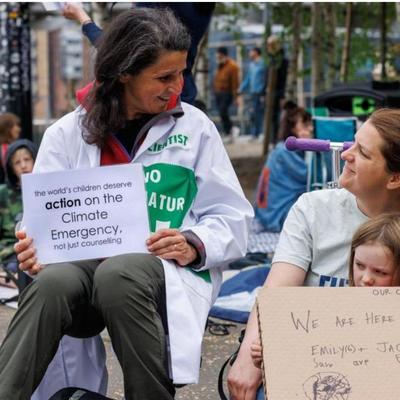
@bluemoon People who think 'a few bucks' don't matter need educating
-
Free buses? Really? Of all the promises that Zohran Mamdani made during his New York City mayoral campaign, that one struck some skeptics as the most frivolous leftist fantasy. Unlike housing, groceries and child care, which weigh heavily on New Yorkers’ finances, a bus ride is just a few bucks. Is it really worth the huge effort to spare people that tiny outlay?
It is. Far beyond just saving riders money, free buses deliver a cascade of benefits, from easing traffic to promoting public safety. Just look at Boston; Chapel Hill, N.C.; Richmond, Va.; Kansas City, Mo.; and even New York itself, all of which have tried it to excellent effect. And it doesn’t have to be costly — in fact, it can come out just about even.
As a lawyer, I feel most strongly about the least-discussed benefit: Eliminating bus fares can clear junk cases out of our court system, lowering the crushing caseloads that prevent our judges, prosecutors and public defenders from focusing their attention where it’s most needed.
I was a public defender, and in one of my first cases I was asked to represent a woman who was not a robber or a drug dealer — she was someone who had failed to pay the fare on public transit. Precious resources had been spent arresting, processing, prosecuting and trying her, all for the loss of a few dollars. This is a daily feature of how we criminalize poverty in America.
Unless a person has spent real time in the bowels of a courthouse, it’s hard to imagine how many of the matters clogging criminal courts across the country originate from a lack of transit. Some of those cases result in fines; many result in defendants being ordered to attend community service or further court dates. But if people can’t afford the fare to get to those appointments and can’t get a ride, their only options — jump a turnstile or flout a judge’s order — expose them to re-arrest. Then they may face jail time, which adds significant pressure to our already overcrowded facilities. Is this really what we want the courts spending time on?
Free buses can unclog our streets, too. In Boston, eliminating the need for riders to pay fares or punch tickets cut boarding time by as much as 23 percent, which made everyone’s trip faster. Better, cheaper, faster bus rides give automobile owners an incentive to leave their cars at home, which makes the journey faster still — for those onboard as well as those who still prefer to drive.
How much should a government be willing to pay to achieve those outcomes? How about nothing? When Washington State’s public transit systems stopped charging riders, in many municipalities the state came out more or less even — because the money lost on fares was balanced out by the enormous savings that ensued.
Fare evasion was one of the factors that prompted Mayor Eric Adams to flood New York City public transit with police officers. New Yorkers went from shelling out $4 million for overtime in 2022 to $155 million in 2024. What did it get them? In September 2024, officers drew their guns to shoot a fare beater who was wielding a knife and two innocent bystanders ended up with bullet wounds, the kind of accident that’s all but inevitable in such a crowded setting.
New York City tried a free bus pilot program in 2023 and 2024 and, as predicted, ridership increased — by 30 percent on weekdays and 38 percent on weekends, striking figures that could make a meaningful dent in New York’s chronic traffic problem (and, by extension, air and noise pollution). Something else happened that was surprising: Assaults on bus operators dropped 39 percent. Call it the opposite of the Adams strategy: Lowering barriers to access made for fewer tense law enforcement encounters, fewer acts of desperation and a safer city overall.
If free buses strike you as wasteful, you’re not alone. Plenty of the beneficiaries would be people who can afford to pay. Does it make sense to give them a freebie? Yes, if it improves the life of the city, just as free parks, libraries and public schools do. Don’t think of it as a giveaway to the undeserving. Think of it as a gift to all New Yorkers in every community. We deserve it.

@bluemoon don’t forget benefits to tourism; a city becomes a lot more attractive when you can simply hop on and off buses without having to figure out how to get tickets
-
I wouldn't have thought of the judicial/policing ramifications.

@pageflight There's always something like that that you don't see unless you're somewhere in the business.
The usual problem is that they're different budgets held by different public bodies, so that the council (or whatever) having to put in the investment isn't the one making the gains, and getting the one to cross-subsidise the other is often simply too much bureaucratic and political hassle. Like the savings you get in the criminal justice system from putting in CCTV (perps are more likely to plead guilty after seeing themselves on screen, which saves *lots* of money in the court system).
-
This post did not contain any content.

-
Pay walled
-
Free buses? Really? Of all the promises that Zohran Mamdani made during his New York City mayoral campaign, that one struck some skeptics as the most frivolous leftist fantasy. Unlike housing, groceries and child care, which weigh heavily on New Yorkers’ finances, a bus ride is just a few bucks. Is it really worth the huge effort to spare people that tiny outlay?
It is. Far beyond just saving riders money, free buses deliver a cascade of benefits, from easing traffic to promoting public safety. Just look at Boston; Chapel Hill, N.C.; Richmond, Va.; Kansas City, Mo.; and even New York itself, all of which have tried it to excellent effect. And it doesn’t have to be costly — in fact, it can come out just about even.
As a lawyer, I feel most strongly about the least-discussed benefit: Eliminating bus fares can clear junk cases out of our court system, lowering the crushing caseloads that prevent our judges, prosecutors and public defenders from focusing their attention where it’s most needed.
I was a public defender, and in one of my first cases I was asked to represent a woman who was not a robber or a drug dealer — she was someone who had failed to pay the fare on public transit. Precious resources had been spent arresting, processing, prosecuting and trying her, all for the loss of a few dollars. This is a daily feature of how we criminalize poverty in America.
Unless a person has spent real time in the bowels of a courthouse, it’s hard to imagine how many of the matters clogging criminal courts across the country originate from a lack of transit. Some of those cases result in fines; many result in defendants being ordered to attend community service or further court dates. But if people can’t afford the fare to get to those appointments and can’t get a ride, their only options — jump a turnstile or flout a judge’s order — expose them to re-arrest. Then they may face jail time, which adds significant pressure to our already overcrowded facilities. Is this really what we want the courts spending time on?
Free buses can unclog our streets, too. In Boston, eliminating the need for riders to pay fares or punch tickets cut boarding time by as much as 23 percent, which made everyone’s trip faster. Better, cheaper, faster bus rides give automobile owners an incentive to leave their cars at home, which makes the journey faster still — for those onboard as well as those who still prefer to drive.
How much should a government be willing to pay to achieve those outcomes? How about nothing? When Washington State’s public transit systems stopped charging riders, in many municipalities the state came out more or less even — because the money lost on fares was balanced out by the enormous savings that ensued.
Fare evasion was one of the factors that prompted Mayor Eric Adams to flood New York City public transit with police officers. New Yorkers went from shelling out $4 million for overtime in 2022 to $155 million in 2024. What did it get them? In September 2024, officers drew their guns to shoot a fare beater who was wielding a knife and two innocent bystanders ended up with bullet wounds, the kind of accident that’s all but inevitable in such a crowded setting.
New York City tried a free bus pilot program in 2023 and 2024 and, as predicted, ridership increased — by 30 percent on weekdays and 38 percent on weekends, striking figures that could make a meaningful dent in New York’s chronic traffic problem (and, by extension, air and noise pollution). Something else happened that was surprising: Assaults on bus operators dropped 39 percent. Call it the opposite of the Adams strategy: Lowering barriers to access made for fewer tense law enforcement encounters, fewer acts of desperation and a safer city overall.
If free buses strike you as wasteful, you’re not alone. Plenty of the beneficiaries would be people who can afford to pay. Does it make sense to give them a freebie? Yes, if it improves the life of the city, just as free parks, libraries and public schools do. Don’t think of it as a giveaway to the undeserving. Think of it as a gift to all New Yorkers in every community. We deserve it.
@bluemoon
Nothing more retarded that tickets for public transport. There's already _so_ many things that can go wrong so often, that introducing a phone battery into the equation is pure terrorism (the bad kind) -
@bluemoon don’t forget benefits to tourism; a city becomes a lot more attractive when you can simply hop on and off buses without having to figure out how to get tickets

@mkoek @bluemoon Which also helps residents. The cheapest of bus tickets in my neck of the woods, (ignoring season tickets) can only be purchased with the bus operator's app.
Which makes travelling more expensive for tourists AND also the less digital savvy and those, often low income people who live in a cash economy and do not have access to the banking facilities that apps need to function.
Having to install an app JUST to use public transport for a short visit is also a barrier to use.
-
I wouldn't have thought of the judicial/policing ramifications.
@pageflight @bluemoon As far as I can remember the reduction in administration costs for pursuing non-payers has not figured in the debates here in Norway when large metropolitan city councils have discussed proposals to make bus travel free.
Edit: and not prosecuting people who do not have a ticket is a smart political move. One thing less for those worn down by life to have to worry about, and for those that rage against the authorities one point that can be struck from their grievance lists.
-
Free buses? Really? Of all the promises that Zohran Mamdani made during his New York City mayoral campaign, that one struck some skeptics as the most frivolous leftist fantasy. Unlike housing, groceries and child care, which weigh heavily on New Yorkers’ finances, a bus ride is just a few bucks. Is it really worth the huge effort to spare people that tiny outlay?
It is. Far beyond just saving riders money, free buses deliver a cascade of benefits, from easing traffic to promoting public safety. Just look at Boston; Chapel Hill, N.C.; Richmond, Va.; Kansas City, Mo.; and even New York itself, all of which have tried it to excellent effect. And it doesn’t have to be costly — in fact, it can come out just about even.
As a lawyer, I feel most strongly about the least-discussed benefit: Eliminating bus fares can clear junk cases out of our court system, lowering the crushing caseloads that prevent our judges, prosecutors and public defenders from focusing their attention where it’s most needed.
I was a public defender, and in one of my first cases I was asked to represent a woman who was not a robber or a drug dealer — she was someone who had failed to pay the fare on public transit. Precious resources had been spent arresting, processing, prosecuting and trying her, all for the loss of a few dollars. This is a daily feature of how we criminalize poverty in America.
Unless a person has spent real time in the bowels of a courthouse, it’s hard to imagine how many of the matters clogging criminal courts across the country originate from a lack of transit. Some of those cases result in fines; many result in defendants being ordered to attend community service or further court dates. But if people can’t afford the fare to get to those appointments and can’t get a ride, their only options — jump a turnstile or flout a judge’s order — expose them to re-arrest. Then they may face jail time, which adds significant pressure to our already overcrowded facilities. Is this really what we want the courts spending time on?
Free buses can unclog our streets, too. In Boston, eliminating the need for riders to pay fares or punch tickets cut boarding time by as much as 23 percent, which made everyone’s trip faster. Better, cheaper, faster bus rides give automobile owners an incentive to leave their cars at home, which makes the journey faster still — for those onboard as well as those who still prefer to drive.
How much should a government be willing to pay to achieve those outcomes? How about nothing? When Washington State’s public transit systems stopped charging riders, in many municipalities the state came out more or less even — because the money lost on fares was balanced out by the enormous savings that ensued.
Fare evasion was one of the factors that prompted Mayor Eric Adams to flood New York City public transit with police officers. New Yorkers went from shelling out $4 million for overtime in 2022 to $155 million in 2024. What did it get them? In September 2024, officers drew their guns to shoot a fare beater who was wielding a knife and two innocent bystanders ended up with bullet wounds, the kind of accident that’s all but inevitable in such a crowded setting.
New York City tried a free bus pilot program in 2023 and 2024 and, as predicted, ridership increased — by 30 percent on weekdays and 38 percent on weekends, striking figures that could make a meaningful dent in New York’s chronic traffic problem (and, by extension, air and noise pollution). Something else happened that was surprising: Assaults on bus operators dropped 39 percent. Call it the opposite of the Adams strategy: Lowering barriers to access made for fewer tense law enforcement encounters, fewer acts of desperation and a safer city overall.
If free buses strike you as wasteful, you’re not alone. Plenty of the beneficiaries would be people who can afford to pay. Does it make sense to give them a freebie? Yes, if it improves the life of the city, just as free parks, libraries and public schools do. Don’t think of it as a giveaway to the undeserving. Think of it as a gift to all New Yorkers in every community. We deserve it.

@bluemoon Boston only did this for one or two lines



Ciao! Sembra che tu sia interessato a questa conversazione, ma non hai ancora un account.
Stanco di dover scorrere gli stessi post a ogni visita? Quando registri un account, tornerai sempre esattamente dove eri rimasto e potrai scegliere di essere avvisato delle nuove risposte (tramite email o notifica push). Potrai anche salvare segnalibri e votare i post per mostrare il tuo apprezzamento agli altri membri della comunità.
Con il tuo contributo, questo post potrebbe essere ancora migliore 💗
Registrati Accedi