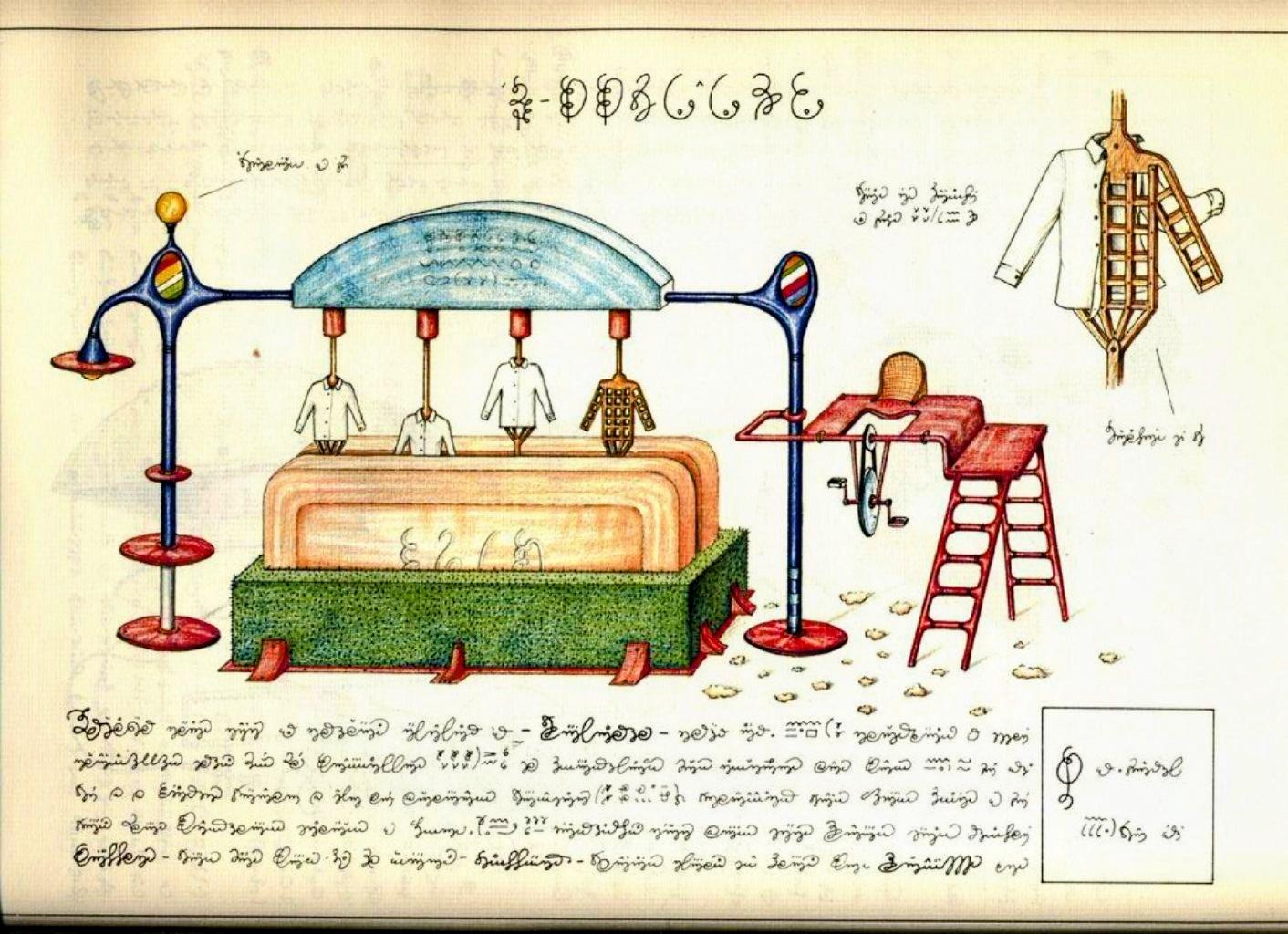
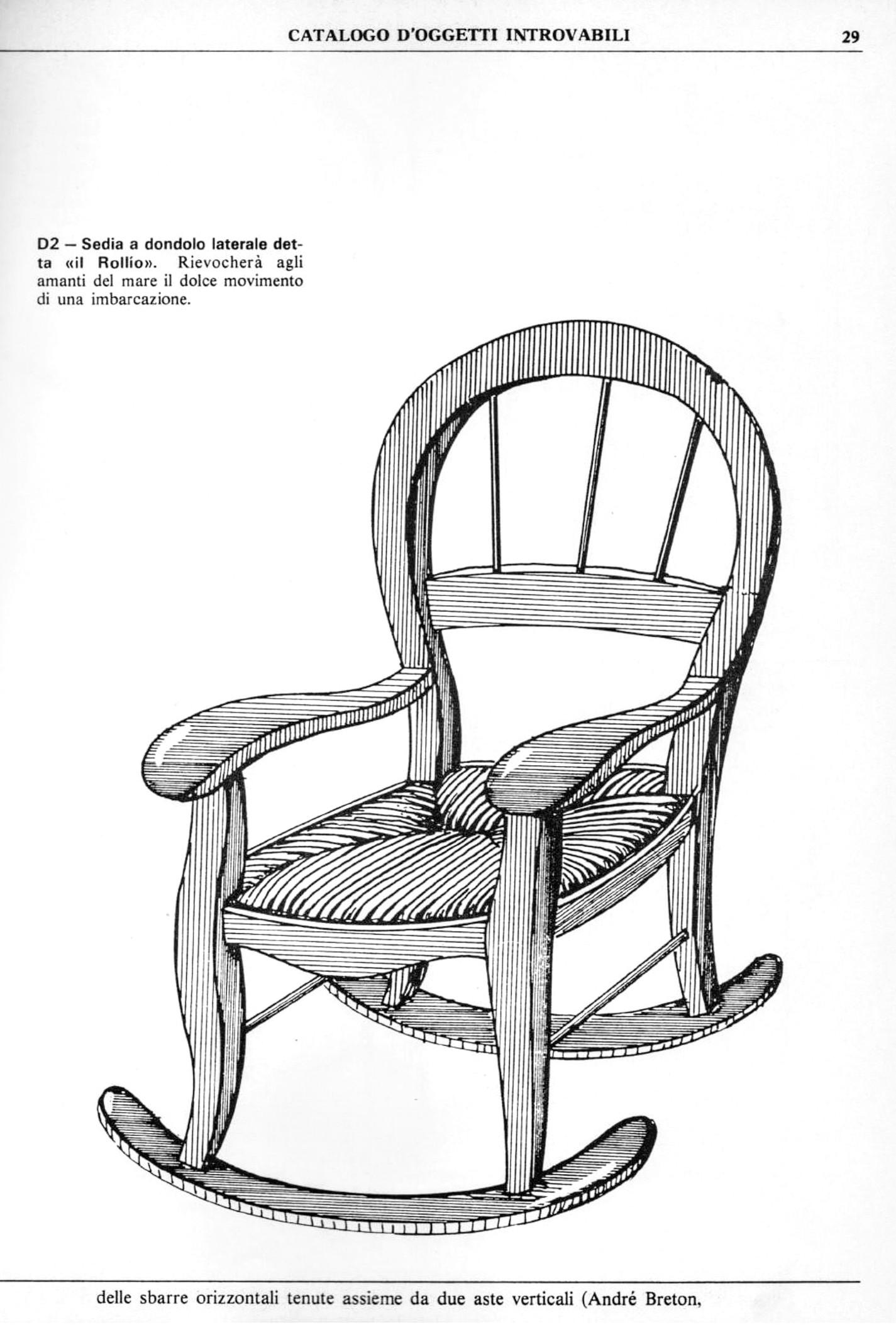
Una pagina a caso dal:#CatalogoDiOggettiIntrovabili
Uncategorized
1
Posts
1
Posters
5
Views
-
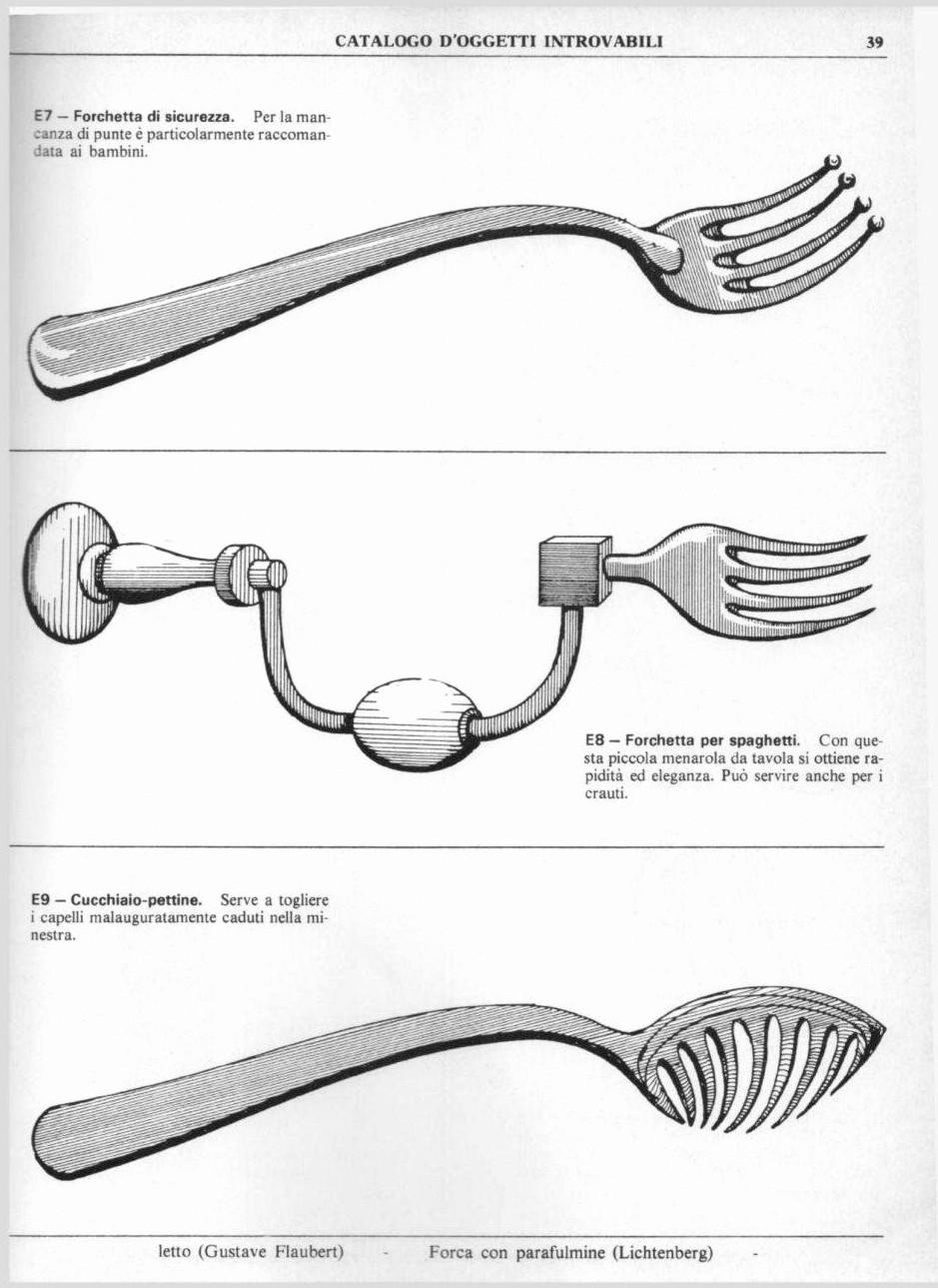
Una pagina a caso dal:
#CatalogoDiOggettiIntrovabili#Carelman #LibriStrani #WeirdBooks
#Patafisica #Pataphysics #Surreal -
 undefined gian_d_gian@mastodon.uno shared this topic on

Gli ultimi otto messaggi ricevuti dalla Federazione
-
@Tutanota Very interesting. Does it focus only on file storage or does it also provide an office suite, such as Google Docs for Google Drive?
-
-
Tuta Drive has entered the private alpha stage. 🥳
Get excited with us for the upcoming beta release! 🎊 🤩
-
@stefano Niiiiiiice.. buon appetito
-
Iniziata la trascrizione degli episodi del #podcast "Verso Casa".
Li trovate nella pagina web che vi lascio qui sotto. Se conoscete persone #nonudenti, potete segnalargliela.
🔄 Oppure, semplicemente condividete :-)
Per ora ci sono i primi 2 episodi, nelle prossime settimane compariranno anche gli altri.
Grazie!
https://simoneviaggiatore.wordpress.com/verso-casa-dove-il-cuore-vuole-stare/
-
@Ryoma123
Mi sa che la possibilità di quell'opzione sia già sfumata, in pratica.
-
La gente crede di inseguire le stelle e finisce come un pesce rosso in una boccia.
Mi chiedo se non sarebbe più semplice insegnare fin da subito ai bambini che la vita è assurda.
Questo toglierebbe all’infanzia alcuni momenti felici ... https://cctm.website/muriel-barbery-francia/Muriel Barbery
da L’eleganza del riccio, Edizioni e/o, 2007
#MurielBarbery #libri #cctmwebsite #anoipiaceleggere #leggere
-
@montenavigante.bsky.social
https://bsky.app/profile/montenavigante.bsky.social/post/3mfezmb3yes2q
> Calcolatrice Logos 9, Mario Bellini, 1978