Skip to content

Piero Bosio Social Web Site Personale Logo Fediverso

Social Forum federato con il resto del mondo. Non contano le istanze, contano le persone

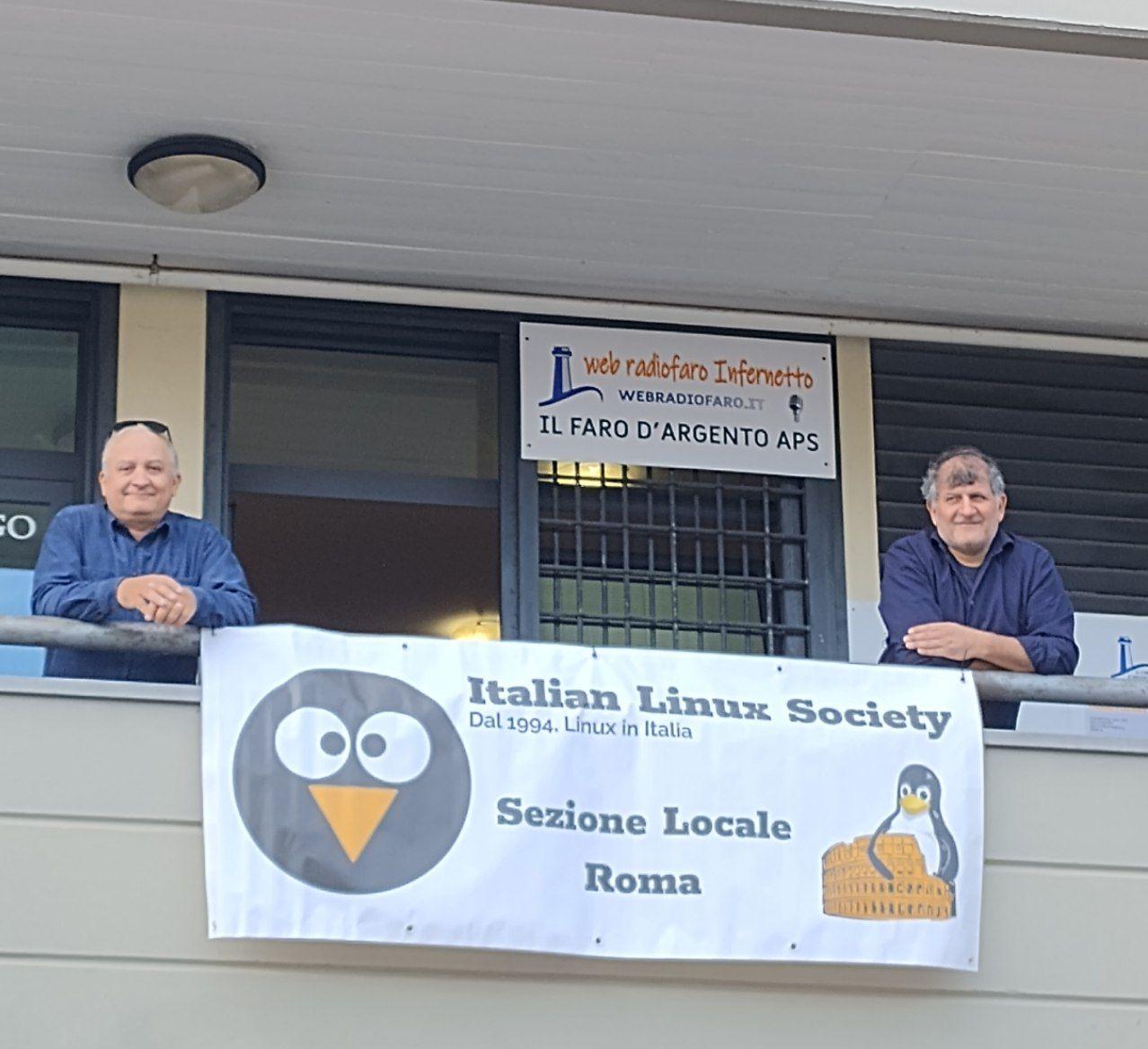
Buon #LinuxDay a tuttə!

Uncategorized
1 1 6

Gli ultimi otto messaggi ricevuti dalla Federazione
  • New post: a real-world look at how Fedify uses LogTape for logging.

    Covers hierarchical categories, implicit contexts for request tracing, and why “silent by default” matters for library authors.

    https://hackers.pub/@hongminhee/2025/logtape-fedify-case-study

    read more

  • @gian_d_gian

    Molto interessante,

    ho collegato un cavo di rete tra data port e il PC con Linux Mint

    Nel gestore applicazioni c'è APCUPSD

    Che ho installato

    Adesso che faccio?

    read more

  • When I started building Fedify, an ActivityPub server framework, I ran into a problem that surprised me: I couldn't figure out how to add logging.

    Not because logging is hard—there are dozens of mature logging libraries for JavaScript. The problem was that they're primarily designed for applications, not for libraries that want to stay unobtrusive.

    I wrote about this a few months ago, and the response was modest—some interest, some skepticism, and quite a bit of debate about whether the post was AI-generated. I'll be honest: English isn't my first language, so I use LLMs to polish my writing. But the ideas and technical content are mine.

    Several readers wanted to see a real-world example rather than theory.

    The problem: existing loggers assume you're building an app

    Fedify helps developers build federated social applications using the ActivityPub protocol. If you've ever worked with federation, you know debugging can be painful. When an activity fails to deliver, you need to answer questions like:

    Did the HTTP request actually go out? Was the signature generated correctly? Did the remote server reject it? Why? Was there a problem parsing the response?

    These questions span multiple subsystems: HTTP handling, cryptographic signatures, JSON-LD processing, queue management, and more. Without good logging, debugging turns into guesswork.

    But here's the dilemma I faced as a library author: if I add verbose logging to help with debugging, I risk annoying users who don't want their console cluttered with Fedify's internal chatter. If I stay silent, users struggle to diagnose issues.

    I looked at the existing options. With winston or Pino, I would have to either:

    Configure a logger inside Fedify (imposing my choices on users), or Ask users to pass a logger instance to Fedify (adding boilerplate)

    There's also debug, which is designed for this use case. But it doesn't give you structured, level-based logs that ops teams expect—and it relies on environment variables, which some runtimes like Deno restrict by default for security reasons.

    None of these felt right. So I built LogTape—a logging library designed from the ground up for library authors. And Fedify became its first real user.

    The solution: hierarchical categories with zero default output

    The key insight was simple: a library should be able to log without producing any output unless the application developer explicitly enables it.

    Fedify uses LogTape's hierarchical category system to give users fine-grained control over what they see. Here's how the categories are organized:

    Category What it logs ["fedify"] Everything from the library ["fedify", "federation", "inbox"] Incoming activities ["fedify", "federation", "outbox"] Outgoing activities ["fedify", "federation", "http"] HTTP requests and responses ["fedify", "sig", "http"] HTTP Signature operations ["fedify", "sig", "ld"] Linked Data Signature operations ["fedify", "sig", "key"] Key generation and retrieval ["fedify", "runtime", "docloader"] JSON-LD document loading ["fedify", "webfinger", "lookup"] WebFinger resource lookups

    …and about a dozen more. Each category corresponds to a distinct subsystem.

    This means a user can configure logging like this:

    await configure({ sinks: { console: getConsoleSink() }, loggers: [ // Show errors from all of Fedify { category: "fedify", sinks: ["console"], lowestLevel: "error" }, // But show debug info for inbox processing specifically { category: ["fedify", "federation", "inbox"], sinks: ["console"], lowestLevel: "debug" }, ], });

    When something goes wrong with incoming activities, they get detailed logs for that subsystem while keeping everything else quiet. No code changes required—just configuration.

    Request tracing with implicit contexts

    The hierarchical categories solved the filtering problem, but there was another challenge: correlating logs across async boundaries.

    In a federated system, a single user action might trigger a cascade of operations: fetch a remote actor, verify their signature, process the activity, fan out to followers, and so on. When something fails, you need to correlate all the log entries for that specific request.

    Fedify uses LogTape's implicit context feature to automatically tag every log entry with a requestId:

    await configure({ sinks: { file: getFileSink("fedify.jsonl", { formatter: jsonLinesFormatter }) }, loggers: [ { category: "fedify", sinks: ["file"], lowestLevel: "info" }, ], contextLocalStorage: new AsyncLocalStorage(), // Enables implicit contexts });

    With this configuration, every log entry automatically includes a requestId property. When you need to debug a specific request, you can filter your logs:

    jq 'select(.properties.requestId == "abc-123")' fedify.jsonl

    And you'll see every log entry from that request—across all subsystems, all in order. No manual correlation needed.

    The requestId is derived from standard headers when available (X-Request-Id, Traceparent, etc.), so it integrates naturally with existing observability infrastructure.

    What users actually see

    So what does all this configuration actually mean for someone using Fedify?

    If a Fedify user doesn't configure LogTape at all, they see nothing. No warnings about missing configuration, no default output, and minimal performance overhead—the logging calls are essentially no-ops.

    For basic visibility, they can enable error-level logging for all of Fedify with three lines of configuration. When debugging a specific issue, they can enable debug-level logging for just the relevant subsystem.

    And if they're running in production with serious observability requirements, they can pipe structured JSON logs to their monitoring system with request correlation built in.

    The same library code supports all these scenarios—whether the user is running on Node.js, Deno, Bun, or edge functions, without extra polyfills or shims. The user decides what they need.

    Lessons learned

    Building Fedify with LogTape taught me a few things:

    Design your categories early. The hierarchical structure should reflect how users will actually want to filter logs. I organized Fedify's categories around subsystems that users might need to debug independently.

    Use structured logging. Properties like requestId, activityId, and actorId are far more useful than string interpolation when you need to analyze logs programmatically.

    Implicit contexts turned out to be more useful than I expected. Being able to correlate logs across async boundaries without passing context manually made debugging distributed operations much easier. When a user reports that activity delivery failed, I can give them a single jq command to extract everything relevant.

    Trust your users. Some library authors worry about exposing too much internal detail through logs. I've found the opposite—users appreciate being able to see what's happening when they need to. The key is making it opt-in.

    Try it yourself

    If you're building a library and struggling with the logging question—how much to log, how to give users control, how to avoid being noisy—I'd encourage you to look at how Fedify does it.

    The Fedify logging documentation explains everything in detail. And if you want to understand the philosophy behind LogTape's design, my earlier post covers that.

    LogTape isn't trying to replace winston or Pino for application developers who are happy with those tools. It fills a different gap: logging for libraries that want to stay out of the way until users need them. If that's what you're looking for, it might be a better fit than the usual app-centric loggers.

    read more

  • This post did not contain any content.
    read more

  • @ju @Ann_in_a @LaVi infatti tu dovresti farlo con una quercia. Vera.

    read more

  • Voglio un robot.

    Non mi interessa che balli la lambada.

    Non mi interessa che diriga un'orchestra filarmonica.

    Non mi interessa che possa fare attività mineraria nella fascia degli asteroidi andandoci con la Lambretta.

    Mi basta che accenda la stufa (come sapeva fare qualsiasi contadinә analfabeta dell'epoca di Carlo Magno) e che la mantenga accesa aggiungendo legna al momento opportuno.

    Chiedo troppo?

    read more

  • Since yesterday my server has again been getting absolutely obliterated by AI scrapers. This time, though, load is below 1, but I'm getting up to 10 requests a second and all of my Apache workers are in state "R". "apachectl restart" fixes it... for a while.

    What levers do I have to pull on this? E.g. maybe it would be sensible to drop connections if they stay in "R" for more than a couple seconds?

    This 12 year old post suggests some sysctl.conf changes, but I have...

    https://jwz.org/b/yk0T

    read more

  • @carlux

    Che se fai 2 conti sul fatto che una certs percentuale della popolazione non ha la patente, circa il 30-35%, ti rendi conto che ci sono più auto che persone che possono guidarle, allora ha ancora meno senso.

    Auto ferme il 95% del tempo su suolo pubblico.

    read more
Post suggeriti
  • 0 Votes
    2 Posts
    14 Views
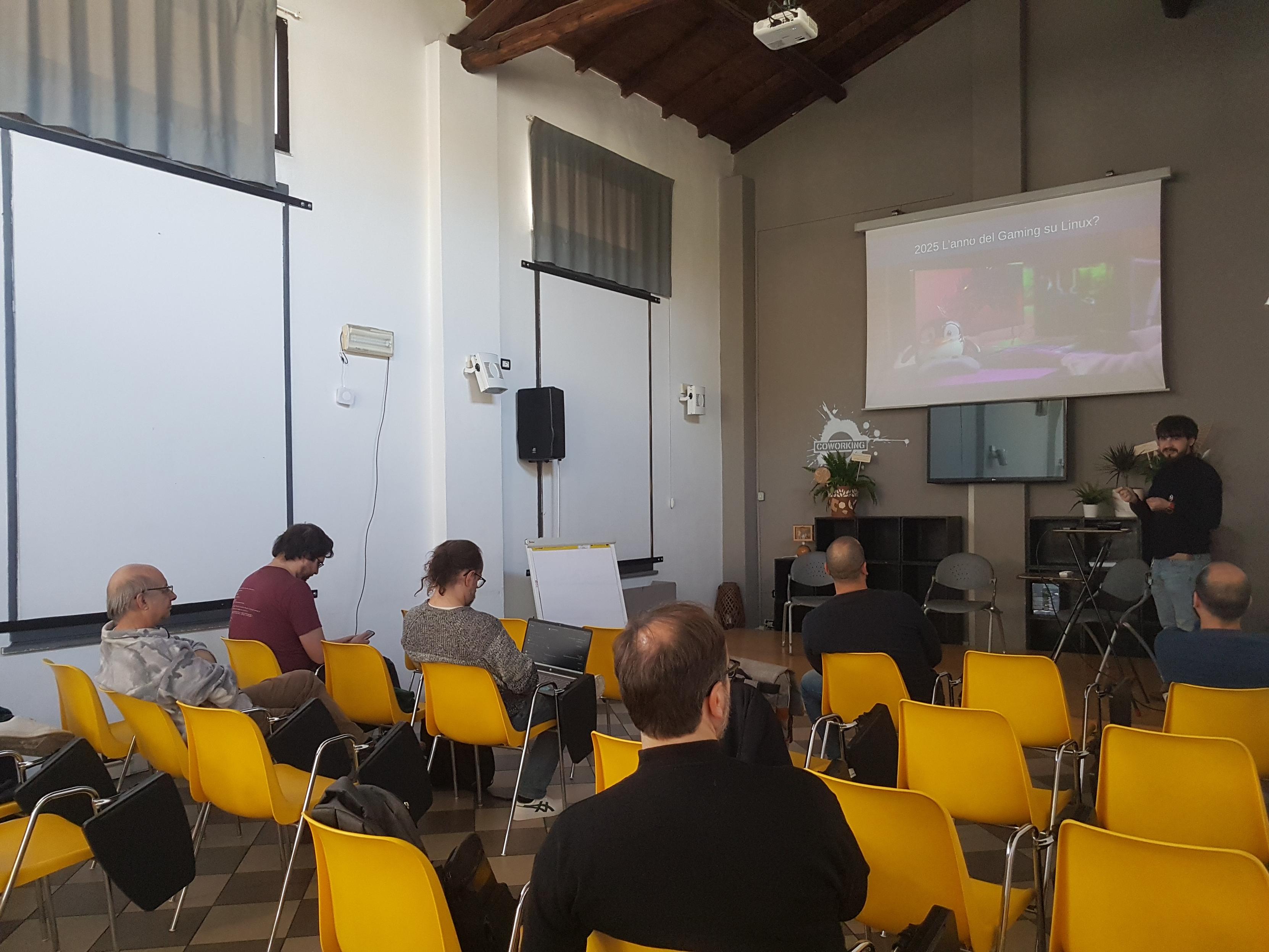
    Il #linuxday 2025 a Parma sta per iniziare.. il Parma Linux User Group vi da il benvenuto! :) #LinuxDay2025
  • al #LinuxDay di Milano 🧡

    Uncategorized linuxday
    2
    1
    0 Votes
    2 Posts
    8 Views
    @LeAlternative yo! 🎉
  • 0 Votes
    1 Posts
    10 Views
    Guest?
    Quattro tappe, un’unica visione: software libero, cultura aperta e federazioneIl 25 ottobre 2025 si celebra il venticinquesimo Linux Day, la più importante manifestazione italiana dedicata al software libero, alla cultura aperta e alla condivisione digitale. Un evento diffuso, con circa cinquanta appuntamenti in tutta Italia, che quest’anno assume un significato ancora più profondo: la fine del supporto a Windows 10 ha spinto molti utenti a riflettere sui limiti del software proprietario e sull’urgenza di soluzioni libere e sostenibili.Il Tour di Fedimedia in Quattro CittàMa il Linux Day 2025 è speciale anche per Fedimedia, giovane associazione nata per promuovere il Fediverso e il software libero come strumenti di emancipazione digitale. In questa edizione, Il contributo di Fedimedia si snoda lungo quattro città del Linux Day, ognuna con un focus specifico che lega il software libero alla federazione, all’etica digitale e all’autonomia tecnologica.LinuxDay Pavia – Educazione libera e federata📍 Museo della Tecnica Elettrica, Via Adolfo Ferrata 6🕥 Ore 10:45 – 11:30A Pavia, Julian Del Vecchio presenterà la versione Educational di Ufficio Zero Linux, una distribuzione pensata per il mondo della scuola e della formazione. In un contesto in cui le istituzioni educative si trovano a fare i conti con budget ridotti e software obsoleto, Ufficio Zero rappresenta una risposta concreta: leggera, versatile e ricca di strumenti didattici. Ma c’è di più. La versione Educational integra nativamente applicazioni del Fediverso, offrendo agli studenti un’alternativa ai social commerciali e promuovendo la consapevolezza digitale fin dai banchi di scuola.LinuxDay Milano – Costruire alternative alle Big Tech📍 Politecnico di Milano, Piazza Leonardo Da Vinci 32, Edificio 3 – Aula 3.0.3🕛 Ore 12:00Nel cuore dell’innovazione milanese, Andrea “Ska” del blog Le Alternative porterà la voce di Fedimedia al Politecnico. Il suo intervento sarà dedicato alle strategie per costruire ecosistemi digitali alternativi, basati su software FOSS e protocolli federati come ActivityPub. Un’occasione per riflettere su come il Fediverso possa offrire soluzioni concrete per uscire dalla dipendenza dalle Big Tech, restituendo agli utenti il controllo sui propri dati e sulle proprie relazioni online.LinuxDay Prato – I mattoni del Fediverso📍 Via Galcianese 34B, Sala 1🕓 Ore 16:10 – 16:50A Prato, il Linux User Group locale torna in attività e ospita Michele Agostinelli, esperto sistemista e socio di Fedimedia. Il suo talk sarà un viaggio tecnico e culturale nei software che alimentano il Fediverso: Mastodon, PeerTube, Pixelfed e altri. Michele illustrerà il funzionamento di questi strumenti, le logiche di federazione e le ragioni per cui sempre più utenti scelgono di abbandonare le piattaforme centralizzate per abbracciare un web più libero e distribuito.LinuxDay Pesaro (Fano) – Fediverso e editoria locale📍 Biblioteca Vittorio Bobbato, Galleria dei Fonditori 64, Ipercoop Pesaro🕚 Ore ~11:00Infine, a Pesaro, sarà Michele Pinto a rappresentare Fedimedia. Giornalista e attivista digitale, Michele racconterà la sua esperienza con progetti di editoria locale online e con istanze del Fediverso come Senigallia.one. Il suo intervento esplorerà il rapporto tra informazione territoriale e tecnologie federate, mostrando come il Fediverso possa diventare uno strumento prezioso per rafforzare le comunità locali e promuovere un’informazione indipendente e partecipata.Fedimedia al Linux Day: una presenza che contaLa partecipazione di Fedimedia a quattro Linux Day è un segnale forte: il Fediverso non è più una nicchia, ma una proposta concreta per un futuro digitale più equo, sostenibile e umano. I soci dell’associazione porteranno competenze, esperienze e visioni in contesti diversi, contribuendo a costruire ponti tra il mondo del software libero e quello della federazione sociale.La presenza coordinata e tematica di Fedimedia a questo 25* Linux Day sottolinea come il movimento per il software libero stia evolvendo per includere la lotta per la decentralizzazione della comunicazione e per la sovranità digitale personale. Dall’istruzione all’editoria locale, dalla strategia anti-Big Tech alla pura tecnologia sistemistica, l’associazione dimostra che il Fediverso non è solo un insieme di social network alternativi, ma una vera e propria filosofia operativa per un internet più equo, aperto e libero.Il pinguino festeggia 25 anni, ma guarda avanti. E noi con lui.
  • 0 Votes
    1 Posts
    13 Views
    Manca sempre meno al #LinuxDay pesarese. Grazie a @wikimediaitalia, @fsfe e @ItaLinuxSociety per il loro supporto. Grazie a loro regaleremo 50 buste con gadget bellissimi.Grazie agli oratori e grazie al pubblico.Vi aspettiamo e, dopo oltre 10 anni di silenzio, ripartiremo col botto: gelato per tutti!--#LinuxDay #FreeSoftware #Zangemann