Gli ultimi otto messaggi ricevuti dalla Federazione
-
@lindarosesmit as an admin, I notice them thanks to the reports
-
@stefano Strangely enough the only thing I notice about it, is in messages like these.
-
Good morning 😃☀️ ☕️❄️ fediverse and friends. Hope everyone has a great day today.
#Coffee #Wednesday #Fediverse #SnacBsdCafe
-
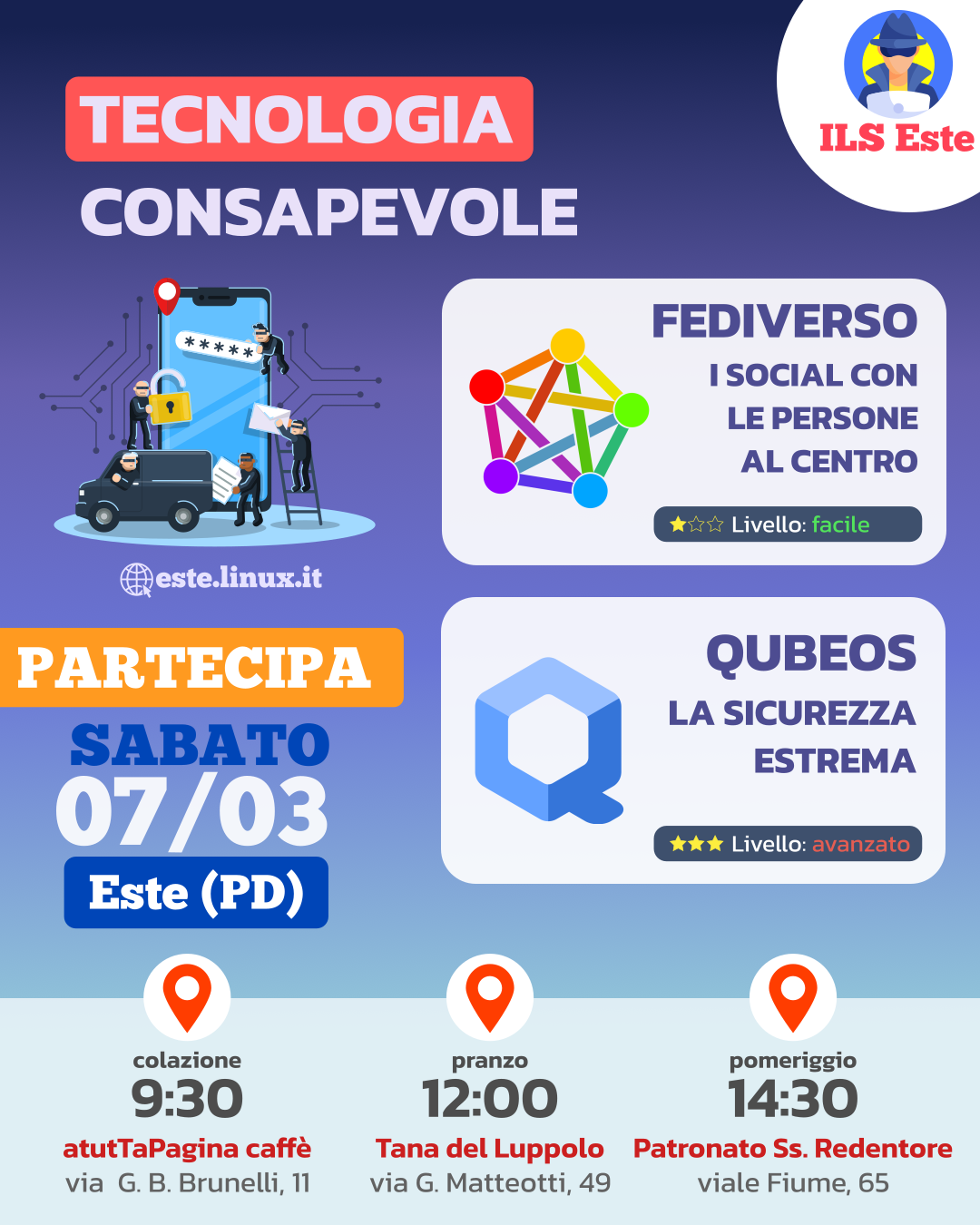
I social sono morti e siamo spiati costantemente.
Sabato parleremo di social network liberi e alternativi, federati, creati e gestiti dalla comunità, e vedremo anche QubeOS, un sistema operativo GNU/Linux per isolare ogni singola attività svolta sul proprio pc e in rete, per avere il massimo assoluto di sicurezza. Sabato sarà indimenticabile! 🥹
@tecnologia @sicurezza
#ILSEste #ILS #ItalianLinuxSociety #Fediverso #QubeOS #Linux
-
RHC Conference 2026: Al via i Workshop “Skill On” per Professionisti della Cybersecurity
📌 Link all'articolo : https://www.redhotcyber.com/post/rhc-conference-2026-al-via-i-workshop-skill-on-per-professionisti-della-cybersecurity/
#redhotcyber #news #cybersecurity #hacking #malware #ransomware #phishing #ciberattacchi #sicurezzainformatica
-
Analysis: 1000s of people with information about Epstein's criminality have not been questioned.
The DOJ says it is done investigating.
However, nine people familiar with info submitted to the FBI & DOJ are alarmed that many documents, including referencing Trump, were not made public.
"No one faces more insistent questions about what he might be trying to hide than the president."
~journalist Sarah Fitzpatrick
-
Arriva CyberStrikeAI: il tool Open Source usato dal Cybercrime per scansionare il web
📌 Link all'articolo : https://www.redhotcyber.com/post/arriva-cyberstrikeai-il-tool-open-source-usato-dal-cybercrime-per-scansionare-il-web/
#redhotcyber #news #cyberstrikeai #intelligenzaartificiale #attacchinformatici #dispositivifortigate
-
@Neko0001 bonjour!