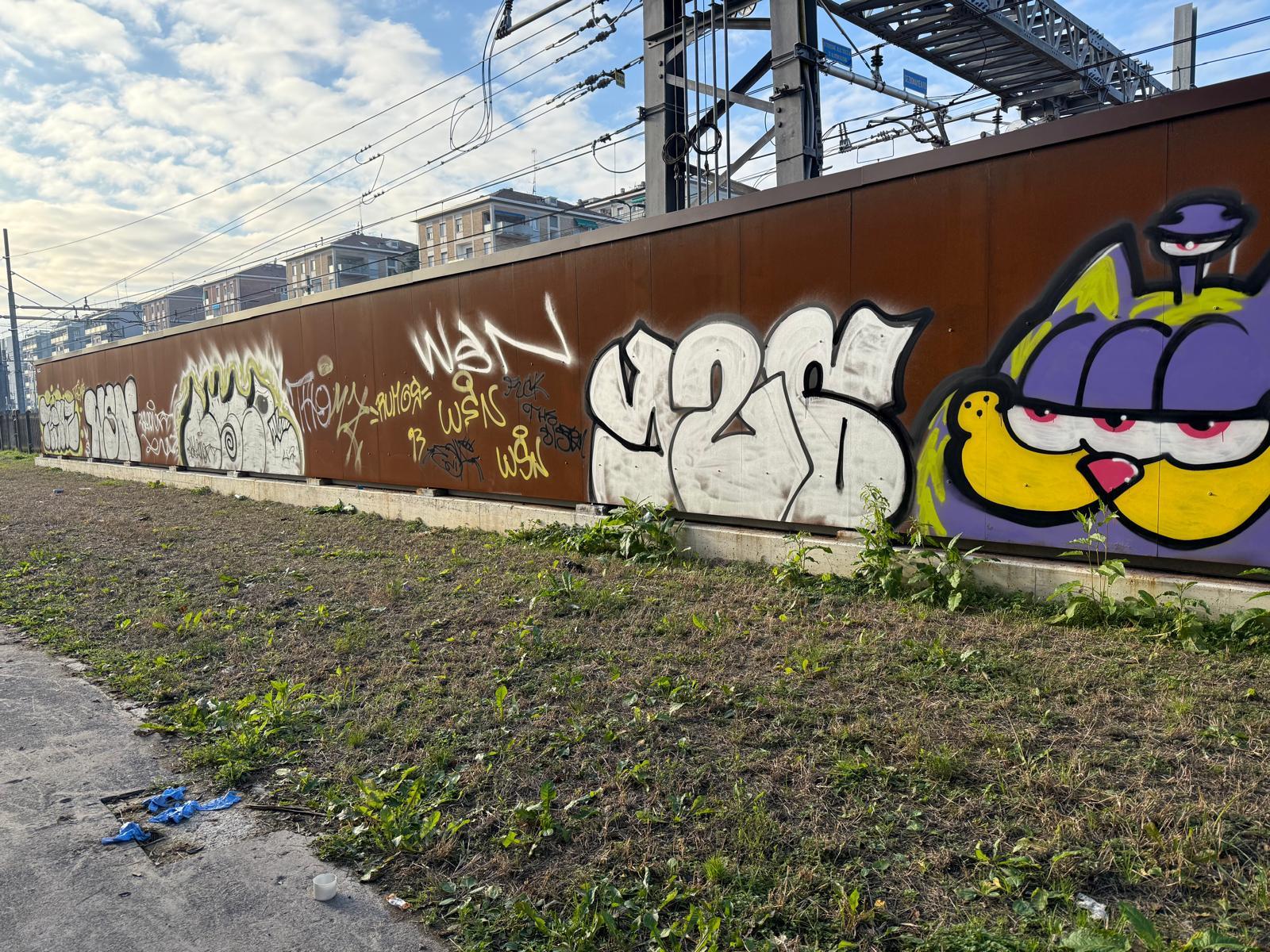
I writers di Milano si stanno attivando 😍
Uncategorized
2
Posts
2
Posters
3
Views


Gli ultimi otto messaggi ricevuti dalla Federazione
-
@david @yogthos yeah, beyond that I recognized a few words, but some of those I recognized from the time when I played the medieval nun on the internet :D
(I hand copied a text in Old English of which I had read a translation, so I had a vague idea of what was happening, but I couldn't exactly understand what I was copying in each individual sentence)
-
Most homework is bullshit and I would like to see an education system not centered around homework
And yet I have this sense that the education system we have, messed up as it may be, might provide an even worse experience for anyone using https://companion.ai/einstein
-
@j12t@j12t.social this gives me an idea for a mailing list service over AP 😏
-
itshappening.gif
-
@fediforum@mastodon.social looks great 😁
-
@julian We've actually tried a version of this in our "notify me about future FediForum events" form: https://apps.fediforum.org/nextcloud/apps/forms/s/ci4R7TZnNEzDiXHDyFPQcM2G
Maybe 20% of people who filled out this firm have said they want a DM.
-
@julian How about now?
-
@glyph if you get one of those desk treadmills and eat at your desk and have any tasks that can be performed while eating and jogging you can knock out like three of these at once