Skip to content

Piero Bosio Social Web Site Personale Logo Fediverso

Social Forum federato con il resto del mondo. Non contano le istanze, contano le persone

Update: a few hours before the deadline, we reached the goal!!!

Uncategorized
17 1 15

Gli ultimi otto messaggi ricevuti dalla Federazione
  • this fucking college radio dj. "that was the Russian band Aquarium, playing, uh, something I have no idea how to pronounce... but the bass line speaks for itself!"

    read more

  • @swelljoe That file access problem sounds like the classic sandboxed package issue. Can't recall if it's Snap or AppImage that does it, though.*

    Whichever one it is, there's an arcane command - or a GUI/TUI - that can change the access settings for individual packages.

    *Sorry, it's been so long since I've used either package type that my memory is rusty. Both make me nope out. šŸ˜…

    read more

  • Sgombero askatasuna. la lotta continua: in serata passeggiata con il comitato di quartiere, all’ultimo dell’anno street parade
    @anarchia
    Torino. Continua la lotta contro lo sgombero dello storico centro sociale Askatasuna, avvenuto lo scorso 18 dicembre. All’esterno dello stabile di corso Regina Margherita 47, blindato

    read more

  • Also, I keep killing my editors (Zed and VS Code) trying to open a 32MB file with exactly one really long line of JSON. This doesn't seem like it ought to be "big" to any modern editor on a modern computer with 64GB of RAM, but here we are. jq can pretty print it without any trouble, so I could make a copy that's pre-parsed into individual lines, but it doesn't seem like I ought to have to massage text to even be able to load it.

    Back to old reliable Neovim, with `:%!jq .` to format it.

    read more

  • Current* conditions near Fairport Harbor, OH:

    read more

  • Computers are so fucking weird. Every day there's some new thing. Chromium on Linux (Fedora 43) is in some kind of sandbox, so I can't open local files, but only some of them? All of the directories that were created by the desktop (Documents, Downloads, Music, Videos, Pictures, etc.) are accessible, as well as a few hidden directories (.local, .nv, .pki, .var), but nothing else is. I can't even type it in explicitly and fully, it's a 404.

    Firefox _can_ reach all files my user has access to.

    read more

  • @alice wait... You take the locks off fences and bridges?

    read more

  • Well, my fingers almost froze, but I came back from my walk with five new love locks 🩵

    I'm a quarter of the way to my goal of 1000. At this pace, it'll be maybe three more years before my art installation is ready.

    read more
Post suggeriti
  • 0 Votes
    1 Posts
    3 Views
    Nearing my end of day 3 of the #7dfps #gamejam. Got the core gameplay mechanics going. The weapon has two chambers, load one of two colors in each, only hurtful to the same colored enemy. I had a similar #mechanics in an older game of mine but it works better here. Started experimenting with gl lines for #explosions. Its getting to that point where I'm playing the game more than I'm coding it, which is exactly where I want to be. #gamedev #screenshotsaturday #indiegame #panda3d #python
  • 0 Votes
    1 Posts
    6 Views
    Forget about trying to get your company to support something abstract like the PSF. You use PyPI: you know, the place that pip installs from. Wouldn't it be bad if `pip install` stopped working? Support the organization that runs PyPI instead.Surprise, it's the PSF! Support the PSF! Your company depends on #Python. You want it to keep working and keep being good. Support the PSF. https://www.python.org/psf/sponsors/
  • 0 Votes
    1 Posts
    20 Views
    This tutorial will guide you through building a simple ActivityPub bot using Python. The bot will listen for mentions and, when it receives a message in a specific format, it will schedule and send a reminder back to the user after a specified delay. For example, if a user mentions the bot with a message like "@reminder@your.host.com 10m check the oven", the bot will reply 10 minutes later with a message like "šŸ”” Reminder for @user: check the oven". Prerequisites To follow this tutorial, you will need Python 3.10+ and the following libraries: apkit[server]: A powerful toolkit for building ActivityPub applications in Python. We use the server extra, which includes FastAPI-based components. uvicorn: An ASGI server to run our FastAPI application. cryptography: Used for generating and managing the cryptographic keys required for ActivityPub. uv: An optional but recommended fast package manager. You can install these dependencies using uv or pip. # Initialize a new project with uv uv init # Install dependencies uv add "apkit[server]" uvicorn cryptography Project Structure The project structure is minimal, consisting of a single Python file for our bot's logic. . ā”œā”€ā”€ main.py └── private_key.pem main.py: Contains all the code for the bot. private_key.pem: The private key for the bot's Actor. This will be generated automatically on the first run. Code Walkthrough Our application logic can be broken down into the following steps: Imports and Configuration: Set up necessary imports and basic configuration variables. Key Generation: Prepare the cryptographic keys needed for signing activities. Actor Definition: Define the bot's identity on the Fediverse. Server Initialization: Set up the apkit ActivityPub server. Data Storage: Implement a simple in-memory store for created activities. Reminder Logic: Code the core logic for parsing reminders and sending notifications. Endpoint Definitions: Create the necessary web endpoints (/actor, /inbox, etc.). Activity Handlers: Process incoming activities from other servers. Application Startup: Run the server. Let's dive into each section of the main.py file. 1. Imports and Configuration First, we import the necessary modules and define the basic configuration for our bot. # main.py import asyncio import logging import re import uuid import os from datetime import timedelta, datetime # Imports from FastAPI, cryptography, and apkit from fastapi import Request, Response from fastapi.responses import JSONResponse from cryptography.hazmat.primitives.asymmetric import rsa from cryptography.hazmat.primitives import serialization as crypto_serialization from apkit.config import AppConfig from apkit.server import ActivityPubServer from apkit.server.types import Context, ActorKey from apkit.server.responses import ActivityResponse from apkit.models import ( Actor, Application, CryptographicKey, Follow, Create, Note, Mention, Actor as APKitActor, OrderedCollection, ) from apkit.client import WebfingerResource, WebfingerResult, WebfingerLink from apkit.client.asyncio.client import ActivityPubClient # --- Logging Setup --- logging.basicConfig(level=logging.INFO) logger = logging.getLogger(__name__) # --- Basic Configuration --- HOST = "your.host.com" # Replace with your domain USER_ID = "reminder" # The bot's username Make sure to replace your.host.com with the actual domain where your bot will be hosted. These values determine your bot's unique identifier (e.g., @reminder@your.host.com). 2. Key Generation and Persistence ActivityPub uses HTTP Signatures to secure communication between servers. This requires each actor to have a public/private key pair. The following code generates a private key and saves it to a file if one doesn't already exist. # main.py (continued) # --- Key Persistence --- KEY_FILE = "private_key.pem" # Load the private key if it exists, otherwise generate a new one if os.path.exists(KEY_FILE): logger.info(f"Loading existing private key from {KEY_FILE}.") with open(KEY_FILE, "rb") as f: private_key = crypto_serialization.load_pem_private_key(f.read(), password=None) else: logger.info(f"No key file found. Generating new private key and saving to {KEY_FILE}.") private_key = rsa.generate_private_key(public_exponent=65537, key_size=2048) with open(KEY_FILE, "wb") as f: f.write(private_key.private_bytes( encoding=crypto_serialization.Encoding.PEM, format=crypto_serialization.PrivateFormat.PKCS8, encryption_algorithm=crypto_serialization.NoEncryption() )) # Generate the public key from the private key public_key_pem = private_key.public_key().public_bytes( encoding=crypto_serialization.Encoding.PEM, format=crypto_serialization.PublicFormat.SubjectPublicKeyInfo ).decode('utf-8') 3. Actor Definition Next, we define the bot's Actor. The Actor is the bot's identity in the ActivityPub network. We use the Application type, as this entity is automated. # main.py (continued) # --- Actor Definition --- actor = Application( id=f"https://{HOST}/actor", name="Reminder Bot", preferredUsername=USER_ID, summary="A bot that sends you reminders. Mention me like: @reminder 5m Check the oven", inbox=f"https://{HOST}/inbox", # Endpoint for receiving activities outbox=f"https://{HOST}/outbox", # Endpoint for sending activities publicKey=CryptographicKey( id=f"https://{HOST}/actor#main-key", owner=f"https://{HOST}/actor", publicKeyPem=public_key_pem ) ) 4. Server Initialization We initialize the ActivityPubServer from apkit, providing it with a function to retrieve our Actor's keys for signing outgoing activities. # main.py (continued) # --- Key Retrieval Function --- async def get_keys_for_actor(identifier: str) -> list[ActorKey]: """Returns the key for a given Actor ID.""" if identifier == actor.id: return [ActorKey(key_id=actor.publicKey.id, private_key=private_key)] return [] # --- Server Initialization --- app = ActivityPubServer(apkit_config=AppConfig( actor_keys=get_keys_for_actor # Register the key retrieval function )) 5. In-Memory Storage and Cache To serve created activities, we need to store them somewhere. For simplicity, this example uses a basic in-memory dictionary as a store and a cache. In a production application, you would replace this with a persistent database (like SQLite or PostgreSQL) and a proper cache (like Redis). # main.py (continued) # --- In-memory Store and Cache --- ACTIVITY_STORE = {} # A simple dict to store created activities CACHE = {} # A cache for recently accessed activities CACHE_TTL = timedelta(minutes=5) # Cache expiration time (5 minutes) 6. Reminder Parsing and Sending Logic This is the core logic of our bot. The parse_reminder function uses a regular expression to extract the delay and message from a mention, and send_reminder schedules the notification. # main.py (continued) # --- Reminder Parsing Logic --- def parse_reminder(text: str) -> tuple[timedelta | None, str | None, str | None]: """Parses reminder text like '5m do something'.""" # ... (implementation omitted for brevity) # --- Reminder Sending Function --- async def send_reminder(ctx: Context, delay: timedelta, message: str, target_actor: APKitActor, original_note: Note): """Waits for a specified delay and then sends a reminder.""" logger.info(f"Scheduling reminder for {target_actor.id} in {delay}: '{message}'") await asyncio.sleep(delay.total_seconds()) # Asynchronously wait logger.info(f"Sending reminder to {target_actor.id}") # Create the reminder Note reminder_note = Note(...) # Wrap it in a Create activity reminder_create = Create(...) # Store the created activities ACTIVITY_STORE[reminder_note.id] = reminder_note ACTIVITY_STORE[reminder_create.id] = reminder_create # Send the activity to the target actor's inbox keys = await get_keys_for_actor(f"https://{HOST}/actor") await ctx.send(keys, target_actor, reminder_create) logger.info(f"Reminder sent to {target_actor.id}") 7. Endpoint Definitions We define the required ActivityPub endpoints. Since apkit is built on FastAPI, we can use standard FastAPI decorators. The main endpoints are: Webfinger: Allows users on other servers to discover the bot using an address like @user@host. This is a crucial first step for federation. /actor: Serves the bot's Actor object, which contains its profile information and public key. /inbox: The endpoint where the bot receives activities from other servers. apkit handles this route automatically, directing activities to the handlers we'll define in the next step. /outbox: A collection of the activities created by the bot. but this returns placeholder collection. /notes/{note_id} and /creates/{create_id}: Endpoints to serve specific objects created by the bot, allowing other servers to fetch them by their unique ID. Here is the code for defining these endpoints: # main.py (continued) # The inbox endpoint is handled by apkit automatically. app.inbox("/inbox") @app.webfinger() async def webfinger_endpoint(request: Request, acct: WebfingerResource) -> Response: """Handles Webfinger requests to make the bot discoverable.""" if not acct.url: # Handle resource queries like acct:user@host if acct.username == USER_ID and acct.host == HOST: link = WebfingerLink(rel="self", type="application/activity+json", href=actor.id) wf_result = WebfingerResult(subject=acct, links=[link]) return JSONResponse(wf_result.to_json(), media_type="application/jrd+json") else: # Handle resource queries using a URL if acct.url == f"https://{HOST}/actor": link = WebfingerLink(rel="self", type="application/activity+json", href=actor.id) wf_result = WebfingerResult(subject=acct, links=[link]) return JSONResponse(wf_result.to_json(), media_type="application/jrd+json") return JSONResponse({"message": "Not Found"}, status_code=404) @app.get("/actor") async def get_actor_endpoint(): """Serves the bot's Actor object.""" return ActivityResponse(actor) @app.get("/outbox") async def get_outbox_endpoint(): """Serves a collection of the bot's sent activities.""" items = sorted(ACTIVITY_STORE.values(), key=lambda x: x.id, reverse=True) outbox_collection = OrderedCollection( id=actor.outbox, totalItems=len(items), orderedItems=items ) return ActivityResponse(outbox_collection) @app.get("/notes/{note_id}") async def get_note_endpoint(note_id: uuid.UUID): """Serves a specific Note object, with caching.""" note_uri = f"https://{HOST}/notes/{note_id}" # Check cache first if note_uri in CACHE and (datetime.now() - CACHE[note_uri]["timestamp"]) < CACHE_TTL: return ActivityResponse(CACHE[note_uri]["activity"]) # If not in cache, get from store if note_uri in ACTIVITY_STORE: activity = ACTIVITY_STORE[note_uri] # Add to cache before returning CACHE[note_uri] = {"activity": activity, "timestamp": datetime.now()} return ActivityResponse(activity) return Response(status_code=404) # Not Found @app.get("/creates/{create_id}") async def get_create_endpoint(create_id: uuid.UUID): """Serves a specific Create activity, with caching.""" create_uri = f"https://{HOST}/creates/{create_id}" if create_uri in CACHE and (datetime.now() - CACHE[create_uri]["timestamp"]) < CACHE_TTL: return ActivityResponse(CACHE[create_uri]["activity"]) if create_uri in ACTIVITY_STORE: activity = ACTIVITY_STORE[create_uri] CACHE[create_uri] = {"activity": activity, "timestamp": datetime.now()} return ActivityResponse(activity) return Response(status_code=404) 8. Activity Handlers We use the @app.on() decorator to define handlers for specific activity types posted to our inbox. on_follow_activity: Automatically accepts Follow requests. on_create_activity: Parses incoming Create activities (specifically for Note objects) to schedule reminders. # main.py (continued) # Handler for Follow activities @app.on(Follow) async def on_follow_activity(ctx: Context): """Automatically accepts follow requests.""" # ... (implementation omitted for brevity) # Handler for Create activities @app.on(Create) async def on_create_activity(ctx: Context): """Parses mentions to schedule reminders.""" activity = ctx.activity # Ignore if it's not a Note if not (isinstance(activity, Create) and isinstance(activity.object, Note)): return Response(status_code=202) note = activity.object # Check if the bot was mentioned is_mentioned = any( isinstance(tag, Mention) and tag.href == actor.id for tag in (note.tag or []) ) if not is_mentioned: return Response(status_code=202) # ... (Parse reminder text) delay, message, time_str = parse_reminder(command_text) # If parsing is successful, schedule the reminder as a background task if delay and message and sender_actor: asyncio.create_task(send_reminder(ctx, delay, message, sender_actor, note)) reply_content = f"<p>āœ… OK! I will remind you in {time_str}.</p>" else: # If parsing fails, send usage instructions reply_content = "<p>šŸ¤” Sorry, I didn\'t understand. Please use the format: `@reminder [time] [message]`.</p><p>Example: `@reminder 10m Check the oven`</p>" # ... (Create and send the reply Note) 9. Running the Application Finally, we run the application using uvicorn. # main.py (continued) if __name__ == "__main__": import uvicorn logger.info("Starting uvicorn server...") uvicorn.run(app, host="0.0.0.0", port=8000) How to Run the Bot Set the HOST and USER_ID variables in main.py to match your environment. Run the server from your terminal: uvicorn main:app --host 0.0.0.0 --port 8000 Your bot will be running at http://0.0.0.0:8000. Now you can mention your bot from anywhere in the Fediverse (e.g., @reminder@your.host.com) to set a reminder. Next Steps This tutorial covers the basics of creating a simple ActivityPub bot. Since it only uses in-memory storage, all reminders will be lost on server restart. Here are some potential improvements: Persistent Storage: Replace the in-memory ACTIVITY_STORE with a database like SQLite or PostgreSQL. Robust Task Queuing: Use a dedicated task queue like Celery with a Redis or RabbitMQ broker to ensure reminders are not lost if the server restarts. Advanced Commands: Add support for more complex commands, such as recurring reminders. We hope this guide serves as a good starting point for building your own ActivityPub applications! https://fedi-libs.github.io/apkit/ https://github.com/fedi-libs/apkit https://github.com/AmaseCocoa/activitypub-reminder-bot
  • 0 Votes
    1 Posts
    14 Views
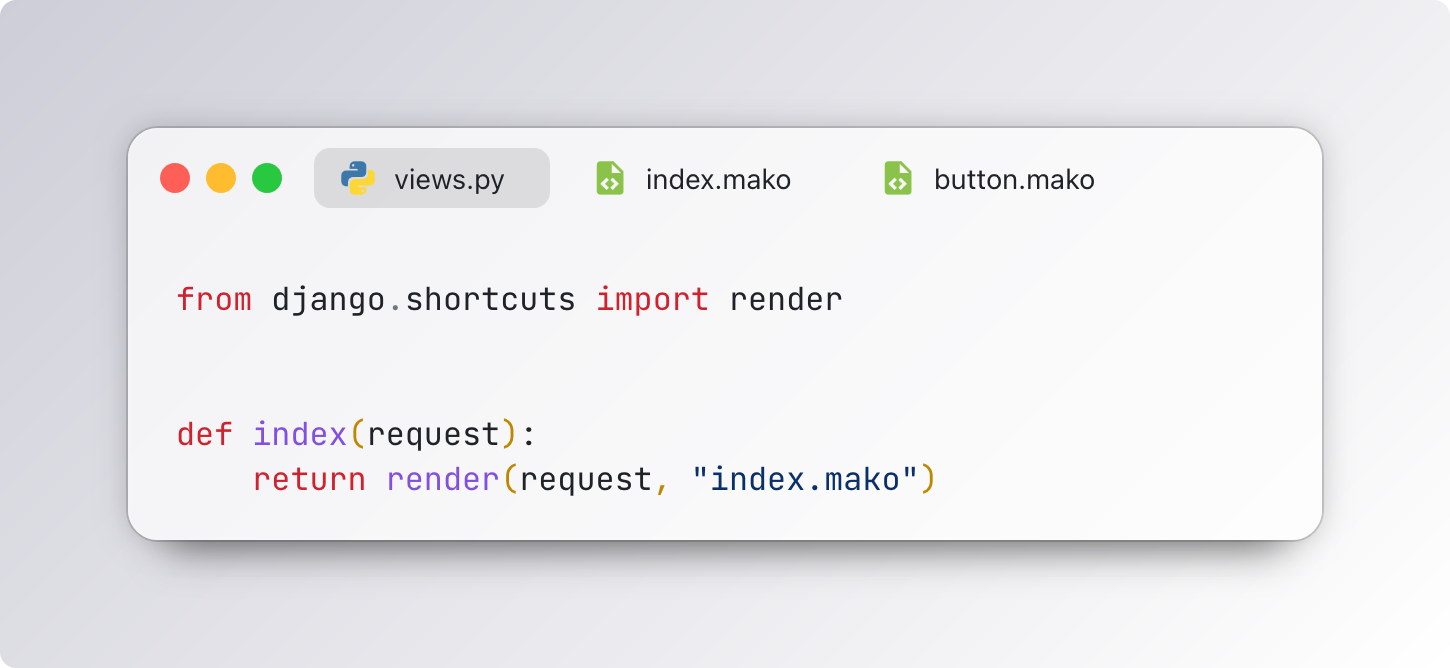
    Django's template system is famously rock solid.Mako supports a component-oriented approach, similar to React.Mako for Django: A template backend that brings them together.Features:- Auto-discovery for app templates- Context processors work out of the box- Detailed error reporting via Django's debug page⭐ Source & examples: https://github.com/ertgl/mako-for-django#Django #Python