Oh, serendipity!
Uncategorized
89
Posts
41
Posters
0
Views

-
Oh, serendipity! A few things line up together, creating opportunities for rare discoveries. This time it's a thing that probably will require someone to go and edit the Wikipedia page for Ubuntu...
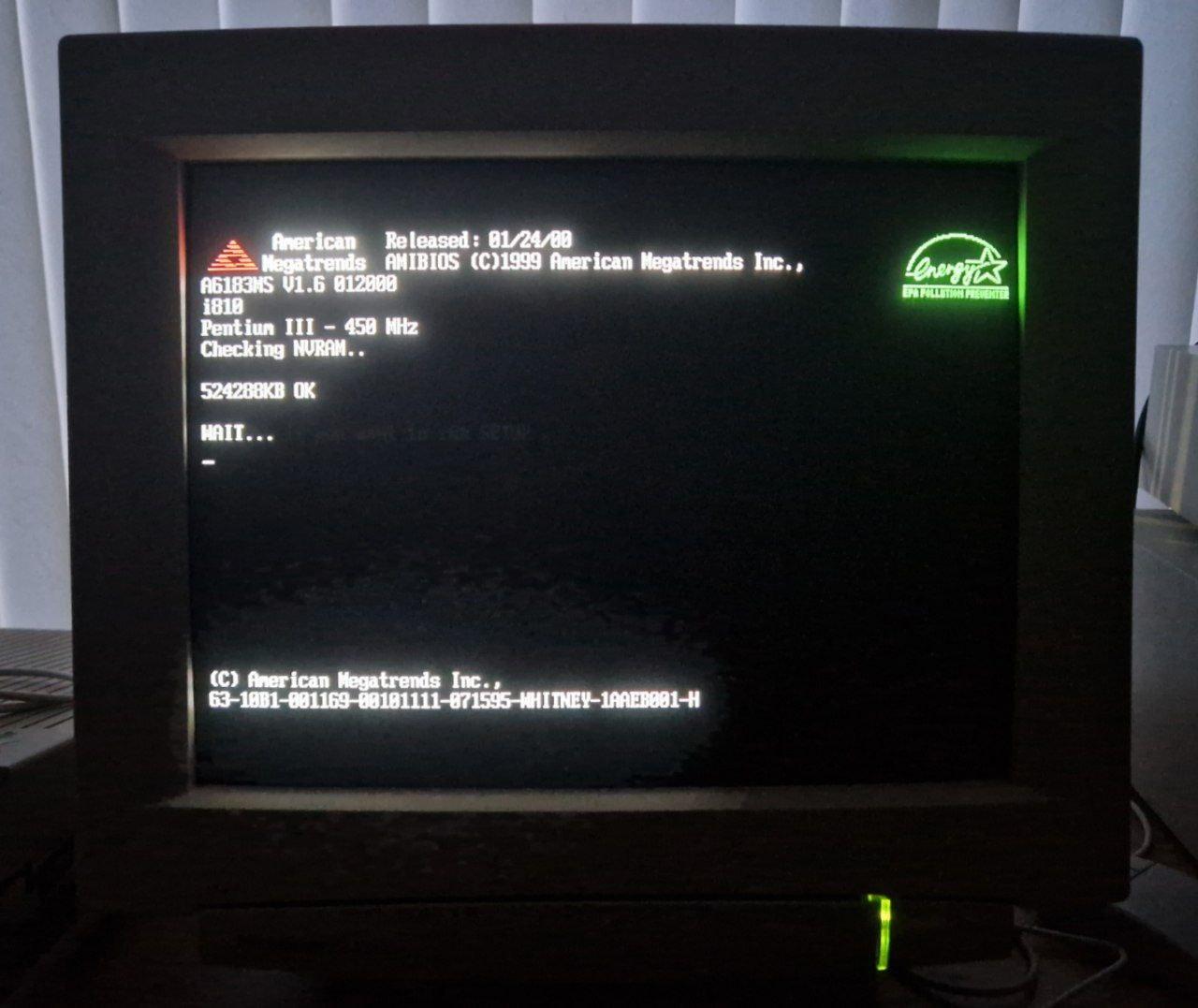
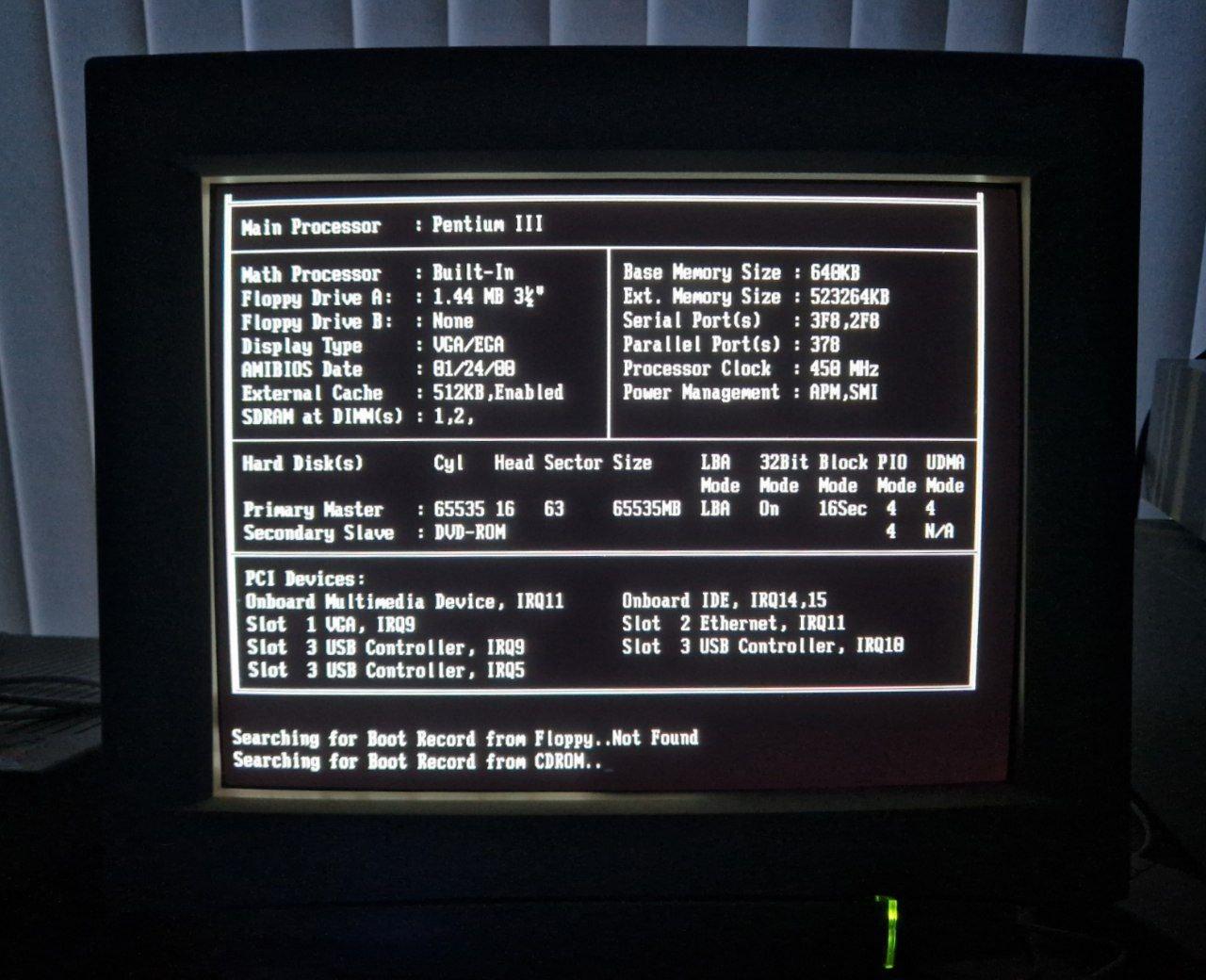
How did we end up here? Well, first, I've been meaning to play with an old Ubuntu for a long time. Second, Atsuko unpacked out our Pentium III desktop last week. Third, Atsuko left me alone for half a day, and the only thing I could bring myself to do was trying out different Linuxes on this Pentium III machine.
Buckle up, I'm about to share many screenshots of old Live CDs, and some of them might surprise you (a little bit?).
Thread 🧵
-
Oh, serendipity! A few things line up together, creating opportunities for rare discoveries. This time it's a thing that probably will require someone to go and edit the Wikipedia page for Ubuntu...
How did we end up here? Well, first, I've been meaning to play with an old Ubuntu for a long time. Second, Atsuko unpacked out our Pentium III desktop last week. Third, Atsuko left me alone for half a day, and the only thing I could bring myself to do was trying out different Linuxes on this Pentium III machine.
Buckle up, I'm about to share many screenshots of old Live CDs, and some of them might surprise you (a little bit?).
Thread 🧵
@nina_kali_nina wow 4.10! so old
-
Oh, serendipity! A few things line up together, creating opportunities for rare discoveries. This time it's a thing that probably will require someone to go and edit the Wikipedia page for Ubuntu...
How did we end up here? Well, first, I've been meaning to play with an old Ubuntu for a long time. Second, Atsuko unpacked out our Pentium III desktop last week. Third, Atsuko left me alone for half a day, and the only thing I could bring myself to do was trying out different Linuxes on this Pentium III machine.
Buckle up, I'm about to share many screenshots of old Live CDs, and some of them might surprise you (a little bit?).
Thread 🧵
I guess I'll start with the conclusion: Ubuntu Live CD, at least 4.10, is a Knoppix derivative.
"No, that can't be right, Ubuntu is based on Debian!"
And so is Knoppix. And so is Knoppix fork called Morphix that was used as a LiveCD builder for Ubuntu 4.10. I have irrefutable evidence of this, and I am surprised that no one on the Internet seemingly ever mentioned that before.
That is not to say that Ubuntu is not based on Debian - it is. I am not trying to say that it does not come with its own packages and kernel, either. But it is _also_ based on Morphix, at least in LiveCD 4.10.
First, I'll share a few screenshots hinting at the similarities. Then I'll show you the solid proof I'm talking about. And then I'll just share a bunch of screenshots of old Linuxes just for fun!
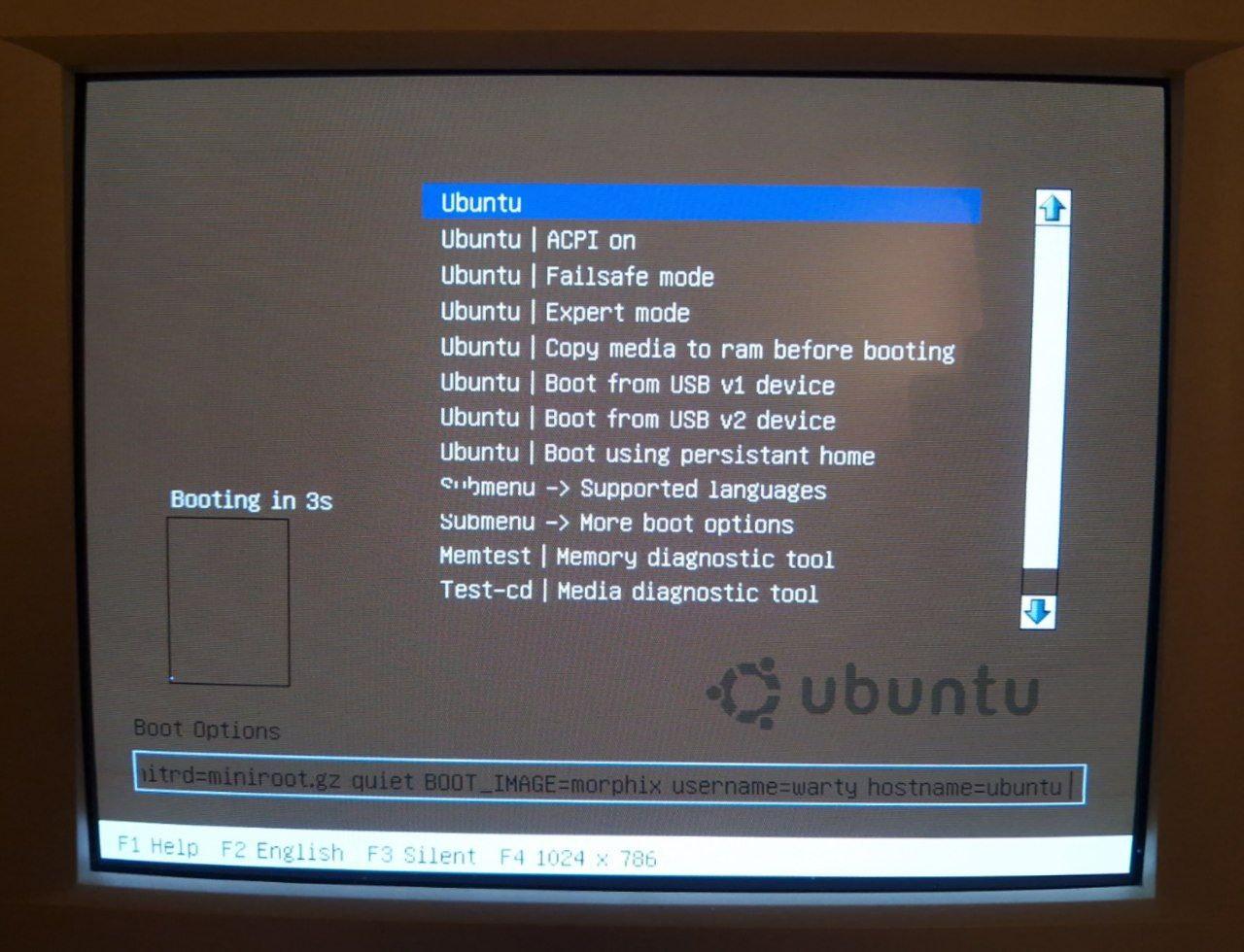
GRUB and splash screens are not a smoking gun, but consider how similar Ubuntu 4.10 Live and Morphix 0.5 boot experiences are (both circa October 2004).
( 🧵 cont)
-
I guess I'll start with the conclusion: Ubuntu Live CD, at least 4.10, is a Knoppix derivative.
"No, that can't be right, Ubuntu is based on Debian!"
And so is Knoppix. And so is Knoppix fork called Morphix that was used as a LiveCD builder for Ubuntu 4.10. I have irrefutable evidence of this, and I am surprised that no one on the Internet seemingly ever mentioned that before.
That is not to say that Ubuntu is not based on Debian - it is. I am not trying to say that it does not come with its own packages and kernel, either. But it is _also_ based on Morphix, at least in LiveCD 4.10.
First, I'll share a few screenshots hinting at the similarities. Then I'll show you the solid proof I'm talking about. And then I'll just share a bunch of screenshots of old Linuxes just for fun!
GRUB and splash screens are not a smoking gun, but consider how similar Ubuntu 4.10 Live and Morphix 0.5 boot experiences are (both circa October 2004).
( 🧵 cont)
@nina_kali_nina ...morphix?
-
Oh, serendipity! A few things line up together, creating opportunities for rare discoveries. This time it's a thing that probably will require someone to go and edit the Wikipedia page for Ubuntu...
How did we end up here? Well, first, I've been meaning to play with an old Ubuntu for a long time. Second, Atsuko unpacked out our Pentium III desktop last week. Third, Atsuko left me alone for half a day, and the only thing I could bring myself to do was trying out different Linuxes on this Pentium III machine.
Buckle up, I'm about to share many screenshots of old Live CDs, and some of them might surprise you (a little bit?).
Thread 🧵
@nina_kali_nina the CRT glow is magic :}
-
I guess I'll start with the conclusion: Ubuntu Live CD, at least 4.10, is a Knoppix derivative.
"No, that can't be right, Ubuntu is based on Debian!"
And so is Knoppix. And so is Knoppix fork called Morphix that was used as a LiveCD builder for Ubuntu 4.10. I have irrefutable evidence of this, and I am surprised that no one on the Internet seemingly ever mentioned that before.
That is not to say that Ubuntu is not based on Debian - it is. I am not trying to say that it does not come with its own packages and kernel, either. But it is _also_ based on Morphix, at least in LiveCD 4.10.
First, I'll share a few screenshots hinting at the similarities. Then I'll show you the solid proof I'm talking about. And then I'll just share a bunch of screenshots of old Linuxes just for fun!
GRUB and splash screens are not a smoking gun, but consider how similar Ubuntu 4.10 Live and Morphix 0.5 boot experiences are (both circa October 2004).
( 🧵 cont)
@nina_kali_nina @knoppix95 Remember any of that?
-
I guess I'll start with the conclusion: Ubuntu Live CD, at least 4.10, is a Knoppix derivative.
"No, that can't be right, Ubuntu is based on Debian!"
And so is Knoppix. And so is Knoppix fork called Morphix that was used as a LiveCD builder for Ubuntu 4.10. I have irrefutable evidence of this, and I am surprised that no one on the Internet seemingly ever mentioned that before.
That is not to say that Ubuntu is not based on Debian - it is. I am not trying to say that it does not come with its own packages and kernel, either. But it is _also_ based on Morphix, at least in LiveCD 4.10.
First, I'll share a few screenshots hinting at the similarities. Then I'll show you the solid proof I'm talking about. And then I'll just share a bunch of screenshots of old Linuxes just for fun!
GRUB and splash screens are not a smoking gun, but consider how similar Ubuntu 4.10 Live and Morphix 0.5 boot experiences are (both circa October 2004).
( 🧵 cont)
@nina_kali_nina nice, knoppix is a pretty interesting distribution. a while ago i read an old linux book from a library, back then most linux books would come with a live CD version of linux, and that book came with a slightly customized knoppix CD
i do quite like pre-GNOME 3 ubuntu, it was simple, lean, and customizable. to me, linux mint is pretty similar to old ubuntu, the desktop is actually well put together and easy to customize and it doesn't shove advertisements and bloat into your face -
I guess I'll start with the conclusion: Ubuntu Live CD, at least 4.10, is a Knoppix derivative.
"No, that can't be right, Ubuntu is based on Debian!"
And so is Knoppix. And so is Knoppix fork called Morphix that was used as a LiveCD builder for Ubuntu 4.10. I have irrefutable evidence of this, and I am surprised that no one on the Internet seemingly ever mentioned that before.
That is not to say that Ubuntu is not based on Debian - it is. I am not trying to say that it does not come with its own packages and kernel, either. But it is _also_ based on Morphix, at least in LiveCD 4.10.
First, I'll share a few screenshots hinting at the similarities. Then I'll show you the solid proof I'm talking about. And then I'll just share a bunch of screenshots of old Linuxes just for fun!
GRUB and splash screens are not a smoking gun, but consider how similar Ubuntu 4.10 Live and Morphix 0.5 boot experiences are (both circa October 2004).
( 🧵 cont)
@nina_kali_nina I remember using both back then but simply can’t remember any of it clearly now. Did Knoppix come first? I think it was pretty much the first usable live-cd way of doing things, and once that came out everything derived from that because that was how to do it. I used Knoppix a lot when it was the thing, because there wasn’t an easy to use alternative that I could easily use.
-
I guess I'll start with the conclusion: Ubuntu Live CD, at least 4.10, is a Knoppix derivative.
"No, that can't be right, Ubuntu is based on Debian!"
And so is Knoppix. And so is Knoppix fork called Morphix that was used as a LiveCD builder for Ubuntu 4.10. I have irrefutable evidence of this, and I am surprised that no one on the Internet seemingly ever mentioned that before.
That is not to say that Ubuntu is not based on Debian - it is. I am not trying to say that it does not come with its own packages and kernel, either. But it is _also_ based on Morphix, at least in LiveCD 4.10.
First, I'll share a few screenshots hinting at the similarities. Then I'll show you the solid proof I'm talking about. And then I'll just share a bunch of screenshots of old Linuxes just for fun!
GRUB and splash screens are not a smoking gun, but consider how similar Ubuntu 4.10 Live and Morphix 0.5 boot experiences are (both circa October 2004).
( 🧵 cont)
I made the discovery of Ubuntu 4.10 being based on Morphix by pure chance. The LiveCD didn't want to boot on my Pentium 3, so I restarted the system in the "expert mode". There I saw words "Morphix live CD". I would've completely ignored that if I didn't _just_ read that Morphix was one of the Knoppix forks from early 00s.
It is a bit difficult to see, but if you check the photo of the CRT, you'd see that there are words "morphix rc" and "warty" on the same screen.
Frankly, I was so surprised that I even thought, for a moment, that this Ubuntu 4.10 Live CD is a fake, a Morphix Live CD with Ubuntu skins and splash screen. But no, it is real Ubuntu Live CD, and you can download it too, right from the Ubuntu's website.
This is pretty damning, but I have even more damning evidence of Ubuntu 4.10 Live being based off Morphix.
( 🧵 cont)
-
@nina_kali_nina I remember using both back then but simply can’t remember any of it clearly now. Did Knoppix come first? I think it was pretty much the first usable live-cd way of doing things, and once that came out everything derived from that because that was how to do it. I used Knoppix a lot when it was the thing, because there wasn’t an easy to use alternative that I could easily use.
@u0421793 I'll talk about it a bit later, as I also have found a pretty rare ancient Knoppix 2.0
-
I guess I'll start with the conclusion: Ubuntu Live CD, at least 4.10, is a Knoppix derivative.
"No, that can't be right, Ubuntu is based on Debian!"
And so is Knoppix. And so is Knoppix fork called Morphix that was used as a LiveCD builder for Ubuntu 4.10. I have irrefutable evidence of this, and I am surprised that no one on the Internet seemingly ever mentioned that before.
That is not to say that Ubuntu is not based on Debian - it is. I am not trying to say that it does not come with its own packages and kernel, either. But it is _also_ based on Morphix, at least in LiveCD 4.10.
First, I'll share a few screenshots hinting at the similarities. Then I'll show you the solid proof I'm talking about. And then I'll just share a bunch of screenshots of old Linuxes just for fun!
GRUB and splash screens are not a smoking gun, but consider how similar Ubuntu 4.10 Live and Morphix 0.5 boot experiences are (both circa October 2004).
( 🧵 cont)
@nina_kali_nina I had a custom morphix back in the day, iirc it was super easy to make your own
-
I made the discovery of Ubuntu 4.10 being based on Morphix by pure chance. The LiveCD didn't want to boot on my Pentium 3, so I restarted the system in the "expert mode". There I saw words "Morphix live CD". I would've completely ignored that if I didn't _just_ read that Morphix was one of the Knoppix forks from early 00s.
It is a bit difficult to see, but if you check the photo of the CRT, you'd see that there are words "morphix rc" and "warty" on the same screen.
Frankly, I was so surprised that I even thought, for a moment, that this Ubuntu 4.10 Live CD is a fake, a Morphix Live CD with Ubuntu skins and splash screen. But no, it is real Ubuntu Live CD, and you can download it too, right from the Ubuntu's website.
This is pretty damning, but I have even more damning evidence of Ubuntu 4.10 Live being based off Morphix.
( 🧵 cont)
So, if you boot Ubuntu 4.10 and will check out its CD, you will find an interesting file /MorphixCD/morphix/mod.xml. The file is used to build the Morphix OS Live CD - actually Morphix 0.5 - but it uses archive.ubuntu instead of ftp.debian for its main repository. It also uses files from LaMont Jones'es personal repository :)
And then dpkg lists a few packages from Morphix were specifically modified for Ubuntu.
I don't think anyone ever tried to hide this. After all, all this information is pretty much in the open, from dmesg to the filesystem on the LiveCD. But it is interesting to see that it isn't mentioned anywhere, either. Not even by the Morphix's author.
So, here we go: Ubuntu 4.10 LiveCD is a Knoppix+debian derivative.
As far as I can tell, things have changed a lot in 5.04, so maybe this applies only to Ubuntu 4.10.
( screenshots 🧵 cont)
-
@nina_kali_nina I had a custom morphix back in the day, iirc it was super easy to make your own
@amsomniac indeed, it is a pretty neat distro
-
@amsomniac indeed, it is a pretty neat distro
@nina_kali_nina shame it's dead :/
-
Oh, serendipity! A few things line up together, creating opportunities for rare discoveries. This time it's a thing that probably will require someone to go and edit the Wikipedia page for Ubuntu...
How did we end up here? Well, first, I've been meaning to play with an old Ubuntu for a long time. Second, Atsuko unpacked out our Pentium III desktop last week. Third, Atsuko left me alone for half a day, and the only thing I could bring myself to do was trying out different Linuxes on this Pentium III machine.
Buckle up, I'm about to share many screenshots of old Live CDs, and some of them might surprise you (a little bit?).
Thread 🧵
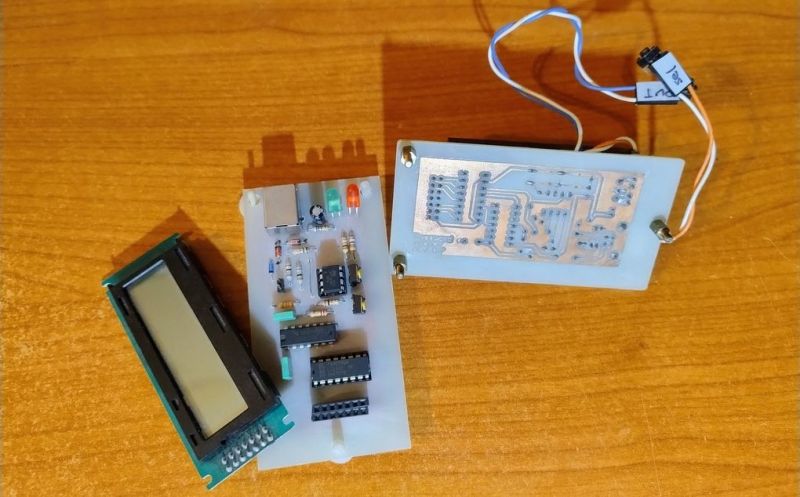
(Please don't let me interrupt you but I had to squeeeee at the Pentium III at 450)

-
So, if you boot Ubuntu 4.10 and will check out its CD, you will find an interesting file /MorphixCD/morphix/mod.xml. The file is used to build the Morphix OS Live CD - actually Morphix 0.5 - but it uses archive.ubuntu instead of ftp.debian for its main repository. It also uses files from LaMont Jones'es personal repository :)
And then dpkg lists a few packages from Morphix were specifically modified for Ubuntu.
I don't think anyone ever tried to hide this. After all, all this information is pretty much in the open, from dmesg to the filesystem on the LiveCD. But it is interesting to see that it isn't mentioned anywhere, either. Not even by the Morphix's author.
So, here we go: Ubuntu 4.10 LiveCD is a Knoppix+debian derivative.
As far as I can tell, things have changed a lot in 5.04, so maybe this applies only to Ubuntu 4.10.
( screenshots 🧵 cont)
I've been using Ubuntu since version 6.06, and I had the impression that Ubuntu is fairly stable and versatile. I have been very surprised to discover today that Ubuntu 4.10 did not compare to other LiveCD Linuxes all that favourably.
Morphix 0.5 booted on my Pentium 3 machine just fine, and found the internets, and had OpenOffice working (a bit later on that). But Ubuntu required me to run DHCP client manually, and its OpenOffice never fully loaded, even after I played a long match in Solitaire.
( screenshots 🧵 cont)
-
Oh, serendipity! A few things line up together, creating opportunities for rare discoveries. This time it's a thing that probably will require someone to go and edit the Wikipedia page for Ubuntu...
How did we end up here? Well, first, I've been meaning to play with an old Ubuntu for a long time. Second, Atsuko unpacked out our Pentium III desktop last week. Third, Atsuko left me alone for half a day, and the only thing I could bring myself to do was trying out different Linuxes on this Pentium III machine.
Buckle up, I'm about to share many screenshots of old Live CDs, and some of them might surprise you (a little bit?).
Thread 🧵
@nina_kali_nina ::memories come to surface, rushing with a supersonic shriek::
Oh, man, ooph, haven't seen those screens for a hot minute.
People under 30-something probably have no idea what Knoppix even was.
-
I've been using Ubuntu since version 6.06, and I had the impression that Ubuntu is fairly stable and versatile. I have been very surprised to discover today that Ubuntu 4.10 did not compare to other LiveCD Linuxes all that favourably.
Morphix 0.5 booted on my Pentium 3 machine just fine, and found the internets, and had OpenOffice working (a bit later on that). But Ubuntu required me to run DHCP client manually, and its OpenOffice never fully loaded, even after I played a long match in Solitaire.
( screenshots 🧵 cont)
I guess one really cool thing about Ubuntu is that it comes with Windows goodies on the CD: AbiWord, Audacity, Firefox (!!), GNU IMP, OpenOffice, GhostScript...
But because of this, it doesn't have nearly as many goodies _in the system_ itself.
( screenshots 🧵 cont)
-
I guess one really cool thing about Ubuntu is that it comes with Windows goodies on the CD: AbiWord, Audacity, Firefox (!!), GNU IMP, OpenOffice, GhostScript...
But because of this, it doesn't have nearly as many goodies _in the system_ itself.
( screenshots 🧵 cont)
@nina_kali_nina yes i remember little me trying to run .exe-s on linux and wondering why they don't work
-
@nina_kali_nina ::memories come to surface, rushing with a supersonic shriek::
Oh, man, ooph, haven't seen those screens for a hot minute.
People under 30-something probably have no idea what Knoppix even was.
@nina_kali_nina ok, where the hell did you find the stack of old CDs (or img thereof) for all that?










Feed RSS
Gli ultimi otto messaggi ricevuti dalla Federazione
-
@MLE_online @brouhaha specifically, it is an ER32 collet wrench.
-
@j_l_meek yep! sidenotes 🙂
-
@swelljoe @MLE_online
Looks like a wrench to me.
-
Rojava: nominato il governatore di hasakah. è un esponente dell amministrazione autonoma della siria del nord-est
@anarchia
In Siria prosegue l’implementazione del cessate il fuoco firmato dal cosiddetto governo di transizione di Damasco e l’Amministrazione autonoma del Rojava. In questo quadro, ieri sera, mercoledì 4 febbraio,
-
@quinta #Firefox ha l'opzione "Copia link pulito". Ho una vaga memoria di un'applicazione analoga per #Android, ma non riesco più a ritrovarla
-
@lazysupper @dahukanna so, in a long conversation, the number of people who can see the responses gets smaller and smaller over time?
-
Just visible to Alice unless she accepts the post. And she controls the visibility on her posts.
-
@dahukanna
Oh... I need to change my answer. 😅
Other: the dark blue-grey.
@evan