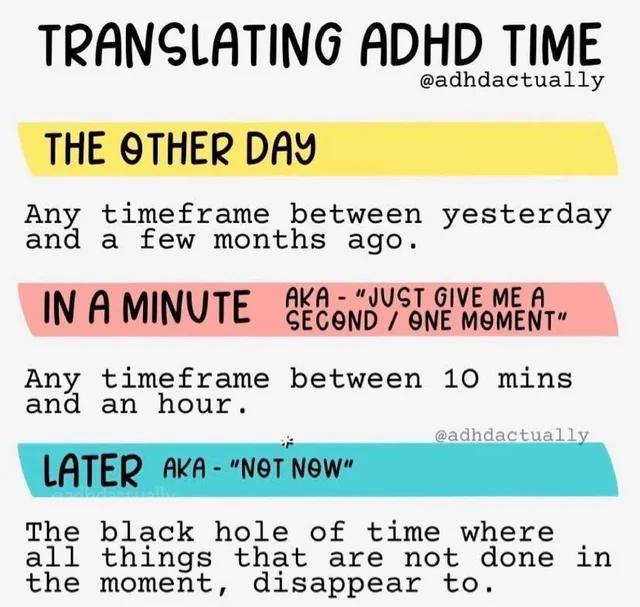
Relatable #ADHD time translator for non-adhd folks.
Uncategorized
1
Posts
1
Posters
6
Views
-
Relatable #ADHD time translator for non-adhd folks.
-
 undefined oblomov@sociale.network shared this topic on

Gli ultimi otto messaggi ricevuti dalla Federazione
-
CEO, presidente
Flussi monetari
Di armi
Catene di comando
-
Mantenere mobile, duttile, l'opinione pubblica permette di attizzarla facilmente, non farla consolidare, batterla col martello della propria violenza, sfruttare tutti i mezzi di controllo e di manipolazione che hanno bisogno di un prodotto malleabile
Se si mantiene caldo un campo, si può mantenerne un altro freddo: invisibile, lontano dall'attenzione, stabile. Il campo del controllo, dei rapporti nascosti
La legittimazione è importante solo nella misura in cui permette di mantenere la posizione
-
@adrianomorselli sono sempre i migliori, quelli che sé ne vanno 😂
-
Legittimità è una costruzione di regole, accettate o subite, ma riconosciute come reali
La distruzione di tutto ciò può frammentare ulteriormente i legami sociali in essere, magari per essere ristrutturati a piacimento di altri
Ma chi continua a distruggere può imporsi solo con la forza e la sua esibizione, quindi anche minacce, atti di violenza, guerre
La guerra diventa forza primaria di legittimazione, tenuta sempre attiva per continuare a distruggere e mantenere mobile l'opinione pubblica
-
La legittimità non è un ordine superiore che scende dal cielo sugli uomini, checché ne dicano alcuni
La legittimità è un riconoscimento dato da un insieme di persone, che sia comunità, massa di persone, o massa di individui nella loro bolla collegati da un tessuto artificialmente sociale
La legittimità è costruita, più raramente spontanea, si esprime e regola con atti comunicativi e assunzione di valori
La legittimità è una cessione di forza per sostenere un progetto
-
Conway’s Game of Life With Physical Buttons
Conway’s Game of Life excels in its simplicity, creating a cellular automaton on a 2D grid where each cell obeys a set of very simple rules that determine whether a cell is ‘alive’ or ‘dead’. After setting an initial condition the ‘game’ then evolves naturally from there, creating an endless series of patterns as a simplified form of bacterial evolution. Of course, setting an initial state and then watching cells light up or fade away seems like a natural fit for light-up buttons. After struggling with intrusive thoughts related to such a project for a while, [Michal Zalewski] finally gave in, creating a pretty amazing looking result.
Although there is no set size for the game board, [Michal] was constrained by his budget for the selected NKK JB15LPF-JF tactile buttons, resulting in a 17×17 matrix. That’s 289 buttons, for those keeping score, which comes down to over $1,000 over at e.g. Digikey even with quantity-based pricing. Add to this the custom PCB and a Microchip AVR128DA64 squeezed in a corner of said PCB to run the whole show and it’s quite the investment.
Finishing up the PCB, driving the lights is done with a duty cycle as the matrix is scanned along with detecting inputs in a similar manner. This required the addition of MOSFETs and transistors, the details of which can be found in the downloadable project files, along with the firmware source code. In the article a video of the board in action can be watched, allowing one to admire the very pretty wooden enclosure as well.
-
Cos'è la legittimità, e cos'è la legittimità oggi
Oggi ci sono forze votate a distruggere ogni legittimità (ONU, ordine mondiale, lo stesso stato e partito da cui originano)
La distruzione di legittimità è usato come segno di forza, e la forza che hanno è la fonte unica della loro legittimità
La legittimità viene dall'essere gli unici con diritto a parlare, e l'impostazione di questo rapporto di forza e l'esibizione è ciò che li sostiene. L'unica debolezza che negano a ogni costo, l'impotenza
-
Poliverso.org vive, Metaverso no! Meta ""chiude"" il metaverso e vince l'Oscar per la peggiore strategia di rebranding della storia
L'unico che ci credeva cosi tanto era Zuckerberg che ha pure cambiato nome alla sua società fondata nel 2004; da Facebook a Meta perché secondo lui "il metaverso era il futuro". Dal 2020 bruciati 80 miliardi di dollari.
Lunga vita e prosperità al Fediverso! 🖖