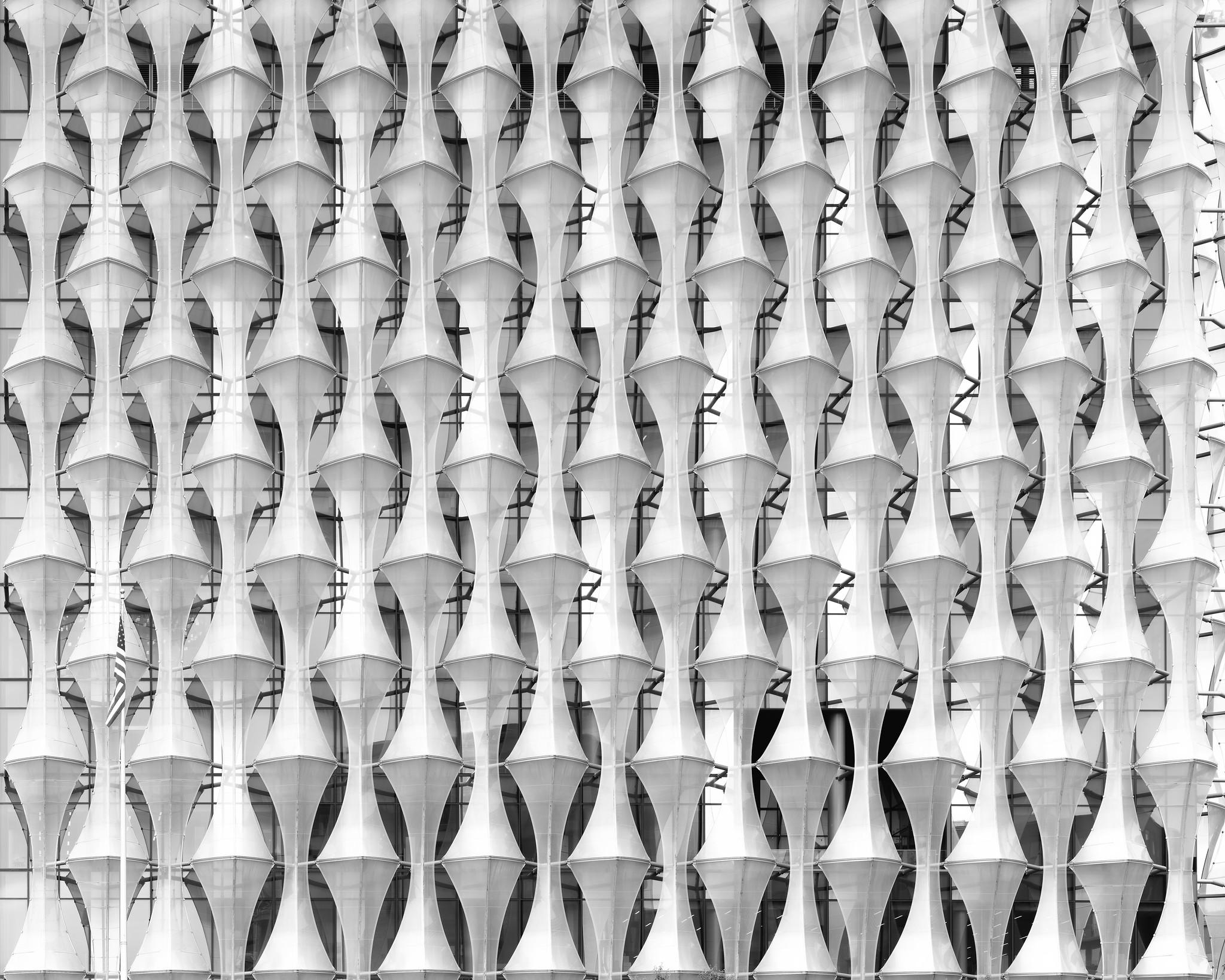
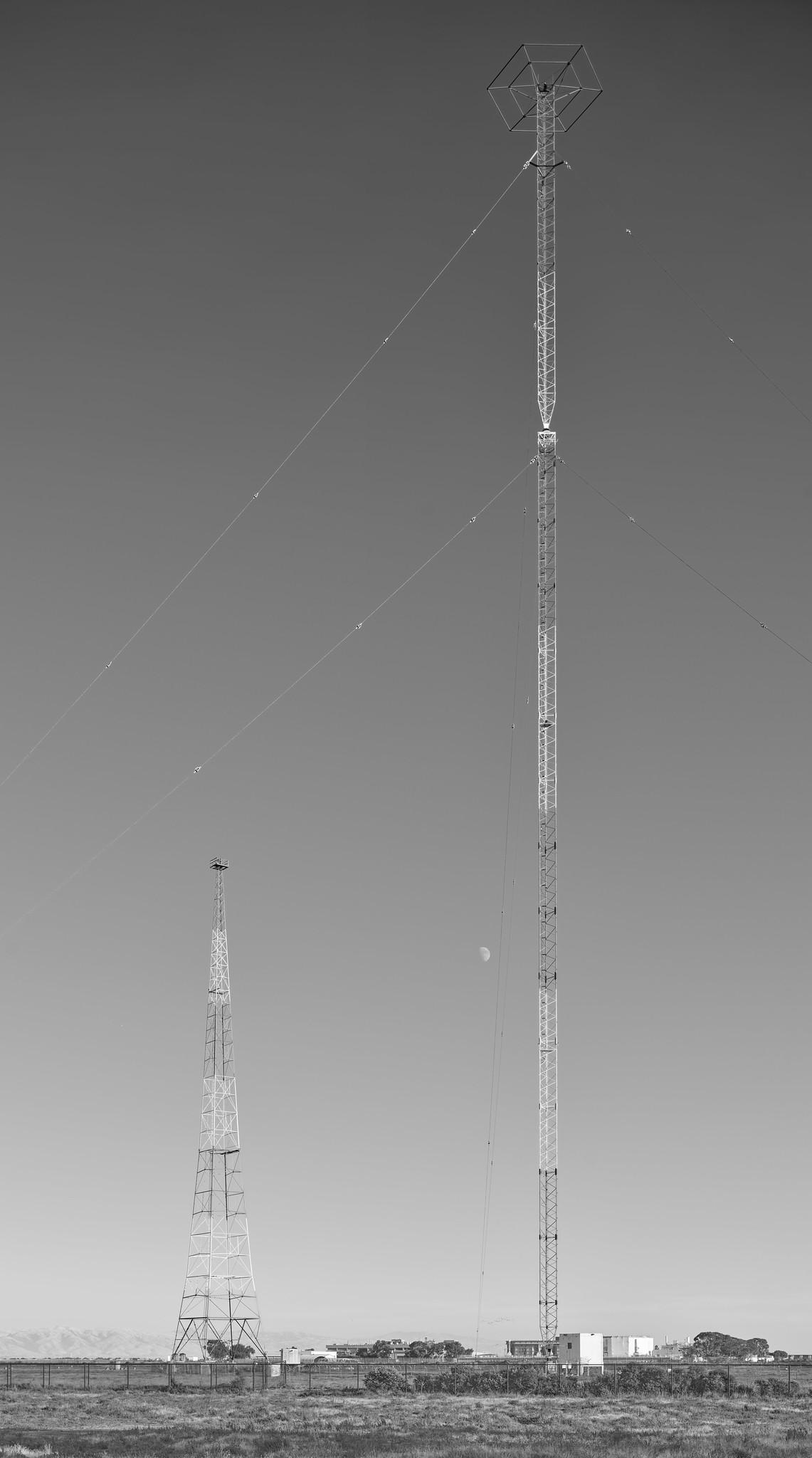
KNBR (AM 680) Antennas, Redwood City, CA, 2024.
Uncategorized
23
Posts
13
Posters
0
Views
-
The rapid decline in recent years of local content on the mediumwave bands has considerably reduced the romantic mystery of tuning around and seeing what you find. It's mostly now a sterile mix of mass-produced, syndicated right wing talk, sports, and so on. But there are still a handful of stubbornly local stations producing their own programming.
@mattblaze I would rather love some international radio with extras.
- Maybe it's me missing #BFBS Germany on FM or just me thinking that there is need fir more media diversity…
-
@mattblaze I tune in to some AM music stations once in a while & am always bewildered how they cover any operating costs at all. There's me and a handful of old men that spend all their days in their garages listening.
@Finitum @mattblaze There's hardly anything on AM radio in Europe these days. One might get some Russian stuff. Interesting about the antennas, didn't know the masts work that way.
-
KNBR (AM 680) Antennas, Redwood City, CA, 2024.
All the pixels, with none of the vertigo, at https://www.flickr.com/photos/mattblaze/54131419266
Those are the buildings out by the salt flats, right? There really isn’t any other space in the bay that’s like that..
Forever fixed in my mind, though as the crumple tower in the wake of 1989
-
Note, important safety tip: you can get closer to this tower without clearly trespassing or jumping fences than most other 50KW broadcast antennas I've encountered. I measured a field strength of over 80V/m a bit outside the tower fence, which is an incredibly strong signal (though still within OSHA limits at the frequency involved).
Resist any temptation to jump the fence and climb the (energized) tower. You'd be electrocuted as soon as you touched it.
@mattblaze even before touching via arcing, probably.
-
AM broadcast is a technically interesting and somewhat endangered medium. The low frequencies mean that signals routinely travel well beyond their local coverage areas, especially overnight in winter. So there's a bit of mystery in tuning around the dial late at night; you never know what you might pick up.
Sadly, industry consolidation and the growth of higher bandwidth media (FM, satellite, podcasts) has greatly reduced the variety and local focus of programming. But it somehow hangs on.
@mattblaze I grew up on the northern Plains tuning the dial back and forth to get really unique and fascinating programming. That was in the 1970s and 80s. AM radio now is a huge disappointment for the reasons you stated—virtually unconsumable.
-
The rapid decline in recent years of local content on the mediumwave bands has considerably reduced the romantic mystery of tuning around and seeing what you find. It's mostly now a sterile mix of mass-produced, syndicated right wing talk, sports, and so on. But there are still a handful of stubbornly local stations producing their own programming.
@mattblaze
Give https://radio.garden a spin - literally.It reminds me of my childhood wandering the dial late at night in the crowded NYC market.
Best part, it's always late at night somewhere.
-
The rapid decline in recent years of local content on the mediumwave bands has considerably reduced the romantic mystery of tuning around and seeing what you find. It's mostly now a sterile mix of mass-produced, syndicated right wing talk, sports, and so on. But there are still a handful of stubbornly local stations producing their own programming.
@mattblaze We tune into them through NFL+ to listen to the 49ers from D.C. 😊
-
AM broadcast is a technically interesting and somewhat endangered medium. The low frequencies mean that signals routinely travel well beyond their local coverage areas, especially overnight in winter. So there's a bit of mystery in tuning around the dial late at night; you never know what you might pick up.
Sadly, industry consolidation and the growth of higher bandwidth media (FM, satellite, podcasts) has greatly reduced the variety and local focus of programming. But it somehow hangs on.
@mattblaze
in the late 1990s the local AM radio channel for Disney went off the air in Houston (to not interfere with other markets, like signals skipping all the way across the Gulf of Mexico to Florida at night)
* quaint days ... can't imagine today's Disney leaving money on the table (or completely abiding by FCC rules) -
Mediumwave (AM) broadcast radio uses lower frequencies than other modern broadcasting and so requires much larger antennas (generally getting larger and larger as the frequency gets lower on the dial). This often entails highly customized antenna designs engineered for the particular site and station frequencies. For most radio stations (FM, TV, etc), the towers are there simply to get the relatively small antennas up high, but for AM stations like KNBR, the towers generally ARE the antennas.
@mattblaze I understand that a lot of the metal in an AM broadcast antenna array is underground, in the form of buried radials.
-
AM broadcast is a technically interesting and somewhat endangered medium. The low frequencies mean that signals routinely travel well beyond their local coverage areas, especially overnight in winter. So there's a bit of mystery in tuning around the dial late at night; you never know what you might pick up.
Sadly, industry consolidation and the growth of higher bandwidth media (FM, satellite, podcasts) has greatly reduced the variety and local focus of programming. But it somehow hangs on.
@mattblaze I still have flashbacks to driving I80 across the endless snow-covered plains of Nebraska, the night of December 22nd 1978, listening to a Chicago station, and each hour the news breaks would have updates on the number of corpses found in John Wayne Gacy's crawlspace.
-
@mattblaze I understand that a lot of the metal in an AM broadcast antenna array is underground, in the form of buried radials.
@0x0ddc0ffee yep. The radial systems for these antennas are impressive. Also why they prefer marshes and other wetlands, which further improves the ground conductivity.
-
The rapid decline in recent years of local content on the mediumwave bands has considerably reduced the romantic mystery of tuning around and seeing what you find. It's mostly now a sterile mix of mass-produced, syndicated right wing talk, sports, and so on. But there are still a handful of stubbornly local stations producing their own programming.
@mattblaze I remember in tuning the AM band late at night and hearing the regional accents, programming, and ads. The word has gotten smaller.
-
 undefined oblomov@sociale.network shared this topic on












Gli ultimi otto messaggi ricevuti dalla Federazione
-
Attacco all'Iran, la posizione dell'Italia. Europa si divide, chi dice no a Trump
Durante un discorso dalla base navale di Ile Longue, nella rada di Brest (Finistère), Macron ha poi annunciato che la Francia sta "progressivamente" entrando in una nuova fase della sua deterrenza nucleare, che ha descritto come "deterrenza avanzata".
https://www.adnkronos.com/internazionale/esteri/iran-attacco-usa-cosa-fa-italia-europa_6EPZVjykVzz5r2bZ7vFJK
-
#parle
Par🇮🇹le n°1520 3/6⬛🟨⬛⬛🟨
⬛🟩🟩⬛⬛
🟩🟩🟩🟩🟩
-
Current task - cloning a prod server to a dev one:
zfs send -vRc zroot/bastille@toSend00 | mbuffer -m 2G | ssh root@VPNIP "zfs receive zroot/bastille"
Done.
-
@dado @lichingyun @DarioZanette su mastodon serve attivarli cliccando il pulsante cc (ok qua veramente usabilità zero) vedi screenshot.
comunque si vedono anche se però il player mi impedisce di mettere tutto a pieno schermo, non so se sia voluto per portarti nel sito peertube, cmq non è il massimo, con youtube si può mettere a pieno schermo (non in tutti però).
-
"Distrutta base Usa in Bahrein con missili e droni"
L'Iran ha annunciato di avere lanciato una attacchi contro una base militare statunitense in Bahrein, e di averla distrutta. "In questo attacco, 20 droni e tre missili hanno colpito gli obiettivi, distruggendo l'edificio di comando principale e le caserme della base aerea statunitense e incendiando i depositi di carburante", ha dichiarato in un comunicato diffuso dall'agenzia di stampa iraniana Fars. (Libero)
-
-
@mora Un video esplicativo: https://youtu.be/QSCmAtF7IlE
-
@AVincentInSpace Oh, my! As a #nonNativeSpeaker I tend to miss those subtleties, I would have rather used the term "developer time" or at most "developing resources" @pkw