Good morning, #BSDCafe Good morning, #illumosCafe Good morning, #Fediverse
Fediverso
90
Posts
35
Posters
19
Views
-
Good morning, #BSDCafe
Good morning, #illumosCafe
Good morning, #FediverseI posted a few things over the past days, and some people noticed that I have been more absent than usual. I think it is right to give an update on the situation.
Starting in mid-December, my wife came down with the flu. Nothing serious, but it left her with a problem that all the doctors we consulted have identified as long flu. Similar to long COVID, it is a debilitating condition, at times completely disabling. She started a treatment, but had some issues and had to change it. This treatment, however, makes the symptoms worse for a few weeks before improving them, and the result is that we are currently in that phase: she is not well, she is worried, and of course I am too.
This has given me time, over the past weeks, to focus on projects like MastoBlaster, also to keep my mind active on something different, something good for my spirit and mental well-being.
But in these days, probably the hardest in years, I am in "emergencies only" mode, or almost. No tiramisu, few outings, some good lasagna - but mostly concern and hope for a return to normality. The doctors told her that in her case it is a temporary condition, but it is not clear exactly how long it will last, which is why there is a treatment, to help her live normally while everything gradually returns to normal. In the meantime, I am the solid part, but clearly I also have to take care of everything she usually handles.
Life is more often uphill than downhill, so we need to make the most of the good moments and not focus on trivial things. This is why I have always tried to make this place a positive and peaceful one: we all have battles to fight, serious or less serious problems, happiness and despair. Here, at least, we can focus on what you enjoy.
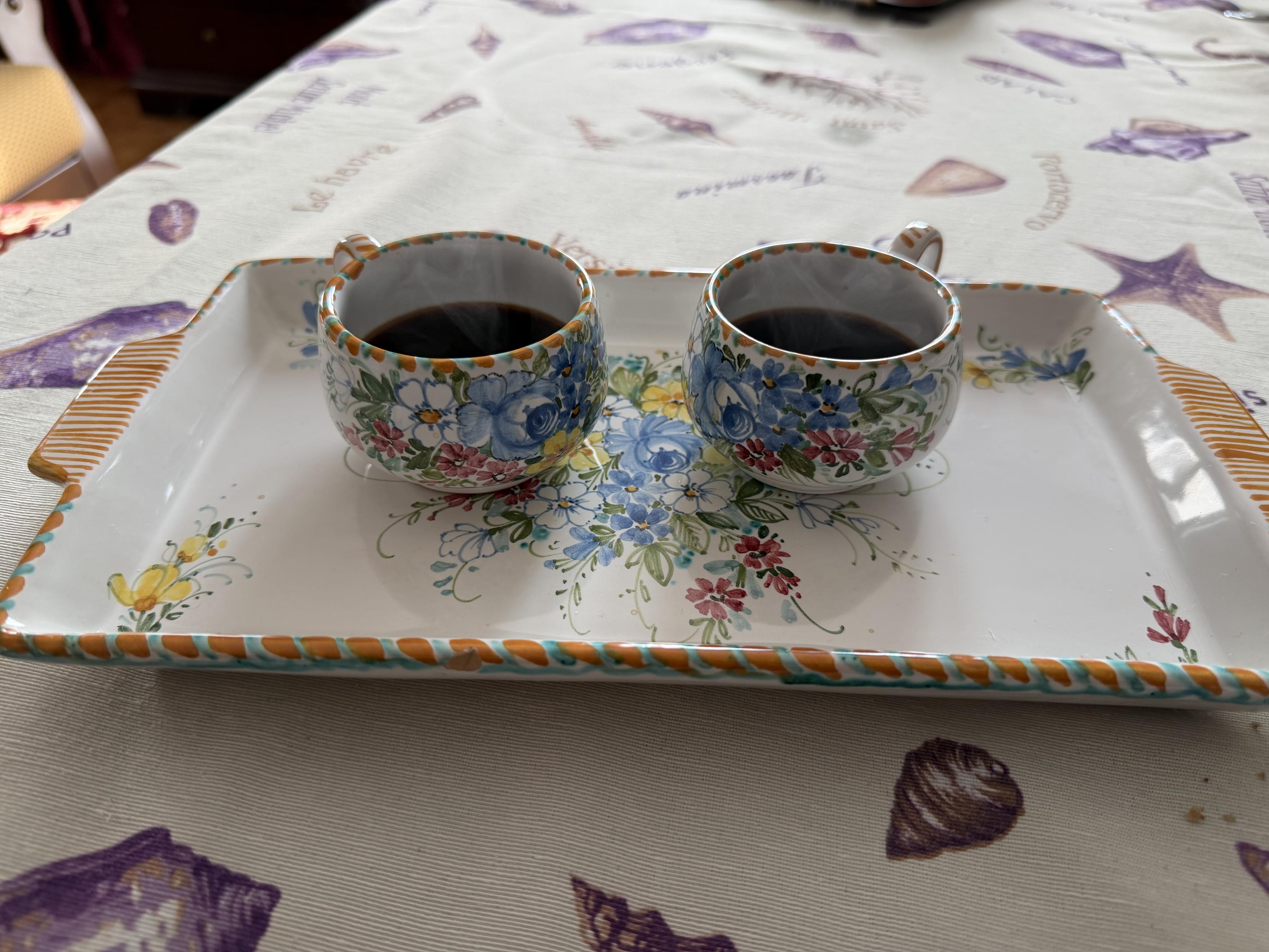
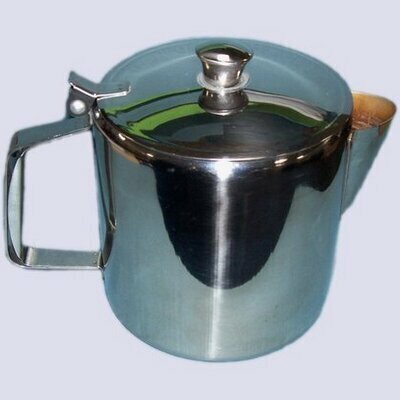
So I leave you with two coffees, made with my mother’s moka pot, which remind me of a peaceful day in this period when the sky outside and the climate inside are the same color: gray.
A sudden change put me in a place of giving care. I'm sorry for the suffering you are both going through and wish a good and speedy recovery.
I'm pretty sure that both of you are going to feel immense love during this time which will carry you through and bring even more gratitude than you obviously have already experienced in your life together.
-
@EnigmaRotor @stefano good question. Maybe it's universally translsted ;-)
The funny thing in the 18 hundreds I would have spoken like the Normans in the comic with all the å, æ, ø and so on... 😀
Btw. I think reading Asterixbas a kid did introduce me to french culture (yeah, it's stereotyoes) and it probl even made me take french in school as third language. (And it got me interested into the Roman history, there you go, Stefano ;-)
-
@EnigmaRotor @stefano 😂 Nothing like a good historical accurate source!
Did I mention when I do speak it's in Fraktur script?
srsly, I suspect those culture of hard booze consumption in coastal area (I mean, we are known for rum, rhye as well as for beer up here) has something to do also with actual seafaring culture and keeping "water clean" on ships and stay fit while onboard. (same goes for the fermented cabbage, I guess)
And when on land or settling down most were addicted and stuck to the habit.
-
@EnigmaRotor @stefano I have to admit, a brandy from apple and pears is much more classy than distilled grain or sugar beet, tho *sigh*
-
Good morning, #BSDCafe
Good morning, #illumosCafe
Good morning, #FediverseI posted a few things over the past days, and some people noticed that I have been more absent than usual. I think it is right to give an update on the situation.
Starting in mid-December, my wife came down with the flu. Nothing serious, but it left her with a problem that all the doctors we consulted have identified as long flu. Similar to long COVID, it is a debilitating condition, at times completely disabling. She started a treatment, but had some issues and had to change it. This treatment, however, makes the symptoms worse for a few weeks before improving them, and the result is that we are currently in that phase: she is not well, she is worried, and of course I am too.
This has given me time, over the past weeks, to focus on projects like MastoBlaster, also to keep my mind active on something different, something good for my spirit and mental well-being.
But in these days, probably the hardest in years, I am in "emergencies only" mode, or almost. No tiramisu, few outings, some good lasagna - but mostly concern and hope for a return to normality. The doctors told her that in her case it is a temporary condition, but it is not clear exactly how long it will last, which is why there is a treatment, to help her live normally while everything gradually returns to normal. In the meantime, I am the solid part, but clearly I also have to take care of everything she usually handles.
Life is more often uphill than downhill, so we need to make the most of the good moments and not focus on trivial things. This is why I have always tried to make this place a positive and peaceful one: we all have battles to fight, serious or less serious problems, happiness and despair. Here, at least, we can focus on what you enjoy.
So I leave you with two coffees, made with my mother’s moka pot, which remind me of a peaceful day in this period when the sky outside and the climate inside are the same color: gray.
@stefano My heart goes out to both of you, and I hope your wife gets back to normal before too long.
The flu this year was a nasty one, a doctor friend said she's seen a lot of 2 month-long cases.
Good coffee never hurts
-
-
@stefano I’m so sorry to hear this. Thanks for sharing.
I wish your wife a swift and full recovery. May the lighter times soon return.
-
@stefano give her my best, and for you as well. If any of my long COVID info and medication details would be of help I’m happy to share it.
@dch thank you! I really appreciate it.
-
A sudden change put me in a place of giving care. I'm sorry for the suffering you are both going through and wish a good and speedy recovery.
I'm pretty sure that both of you are going to feel immense love during this time which will carry you through and bring even more gratitude than you obviously have already experienced in your life together.
@ajlewis2 thank you, Anita.
-
@stefano My heart goes out to both of you, and I hope your wife gets back to normal before too long.
The flu this year was a nasty one, a doctor friend said she's seen a lot of 2 month-long cases.
Good coffee never hurts
@tfb thanks!
-
Good morning, #BSDCafe
Good morning, #illumosCafe
Good morning, #FediverseI posted a few things over the past days, and some people noticed that I have been more absent than usual. I think it is right to give an update on the situation.
Starting in mid-December, my wife came down with the flu. Nothing serious, but it left her with a problem that all the doctors we consulted have identified as long flu. Similar to long COVID, it is a debilitating condition, at times completely disabling. She started a treatment, but had some issues and had to change it. This treatment, however, makes the symptoms worse for a few weeks before improving them, and the result is that we are currently in that phase: she is not well, she is worried, and of course I am too.
This has given me time, over the past weeks, to focus on projects like MastoBlaster, also to keep my mind active on something different, something good for my spirit and mental well-being.
But in these days, probably the hardest in years, I am in "emergencies only" mode, or almost. No tiramisu, few outings, some good lasagna - but mostly concern and hope for a return to normality. The doctors told her that in her case it is a temporary condition, but it is not clear exactly how long it will last, which is why there is a treatment, to help her live normally while everything gradually returns to normal. In the meantime, I am the solid part, but clearly I also have to take care of everything she usually handles.
Life is more often uphill than downhill, so we need to make the most of the good moments and not focus on trivial things. This is why I have always tried to make this place a positive and peaceful one: we all have battles to fight, serious or less serious problems, happiness and despair. Here, at least, we can focus on what you enjoy.
So I leave you with two coffees, made with my mother’s moka pot, which remind me of a peaceful day in this period when the sky outside and the climate inside are the same color: gray.
@stefano best wishes to her and you! I went through something similar, from early January to mid February, and it was exhausting. I functioned for work (mostly), but otherwise slept every single free minute while going through various flu-like pains up and down the body. It's mostly over now, but it was not fun!
Keep going, together; you've got this! 🤞
-
@stefano best wishes to her and you! I went through something similar, from early January to mid February, and it was exhausting. I functioned for work (mostly), but otherwise slept every single free minute while going through various flu-like pains up and down the body. It's mostly over now, but it was not fun!
Keep going, together; you've got this! 🤞
@fedops thank you!
-
@82mhz thank you. I know you can fully understand this situation - have a great Sunday!
@stefano
Thanks! Just came back from having some good coffee :)And yes - what I have can also come on as a post-viral infect, which is why hearing about this hits very close to home. I'm keeping my fingers crossed she'll recover soon!
-
@stefano
Thanks! Just came back from having some good coffee :)And yes - what I have can also come on as a post-viral infect, which is why hearing about this hits very close to home. I'm keeping my fingers crossed she'll recover soon!
-
Good morning, #BSDCafe
Good morning, #illumosCafe
Good morning, #FediverseI posted a few things over the past days, and some people noticed that I have been more absent than usual. I think it is right to give an update on the situation.
Starting in mid-December, my wife came down with the flu. Nothing serious, but it left her with a problem that all the doctors we consulted have identified as long flu. Similar to long COVID, it is a debilitating condition, at times completely disabling. She started a treatment, but had some issues and had to change it. This treatment, however, makes the symptoms worse for a few weeks before improving them, and the result is that we are currently in that phase: she is not well, she is worried, and of course I am too.
This has given me time, over the past weeks, to focus on projects like MastoBlaster, also to keep my mind active on something different, something good for my spirit and mental well-being.
But in these days, probably the hardest in years, I am in "emergencies only" mode, or almost. No tiramisu, few outings, some good lasagna - but mostly concern and hope for a return to normality. The doctors told her that in her case it is a temporary condition, but it is not clear exactly how long it will last, which is why there is a treatment, to help her live normally while everything gradually returns to normal. In the meantime, I am the solid part, but clearly I also have to take care of everything she usually handles.
Life is more often uphill than downhill, so we need to make the most of the good moments and not focus on trivial things. This is why I have always tried to make this place a positive and peaceful one: we all have battles to fight, serious or less serious problems, happiness and despair. Here, at least, we can focus on what you enjoy.
So I leave you with two coffees, made with my mother’s moka pot, which remind me of a peaceful day in this period when the sky outside and the climate inside are the same color: gray.
@stefano sending best wishes to your wife for a speedy recovery. I hope the new treatment works well, and she starts to feel an improvement very soon.
Don't forget to take care of yourself too Stefano. Maybe the occasional helping of tiramisu to keep you energy levels up!
-
@stefano sending best wishes to your wife for a speedy recovery. I hope the new treatment works well, and she starts to feel an improvement very soon.
Don't forget to take care of yourself too Stefano. Maybe the occasional helping of tiramisu to keep you energy levels up!
@teapot_ben thank you! Yes, I agree. Some tiramisu will definitely help! 😉
-
Good morning, #BSDCafe
Good morning, #illumosCafe
Good morning, #FediverseI posted a few things over the past days, and some people noticed that I have been more absent than usual. I think it is right to give an update on the situation.
Starting in mid-December, my wife came down with the flu. Nothing serious, but it left her with a problem that all the doctors we consulted have identified as long flu. Similar to long COVID, it is a debilitating condition, at times completely disabling. She started a treatment, but had some issues and had to change it. This treatment, however, makes the symptoms worse for a few weeks before improving them, and the result is that we are currently in that phase: she is not well, she is worried, and of course I am too.
This has given me time, over the past weeks, to focus on projects like MastoBlaster, also to keep my mind active on something different, something good for my spirit and mental well-being.
But in these days, probably the hardest in years, I am in "emergencies only" mode, or almost. No tiramisu, few outings, some good lasagna - but mostly concern and hope for a return to normality. The doctors told her that in her case it is a temporary condition, but it is not clear exactly how long it will last, which is why there is a treatment, to help her live normally while everything gradually returns to normal. In the meantime, I am the solid part, but clearly I also have to take care of everything she usually handles.
Life is more often uphill than downhill, so we need to make the most of the good moments and not focus on trivial things. This is why I have always tried to make this place a positive and peaceful one: we all have battles to fight, serious or less serious problems, happiness and despair. Here, at least, we can focus on what you enjoy.
So I leave you with two coffees, made with my mother’s moka pot, which remind me of a peaceful day in this period when the sky outside and the climate inside are the same color: gray.
@stefano I'm sorry to hear about this problem. I hope your spouse recovers quickly and that everything returns to normal for both of you. My best wishes for a speedy recovery.
-
@stefano I'm sorry to hear about this problem. I hope your spouse recovers quickly and that everything returns to normal for both of you. My best wishes for a speedy recovery.
@catavz thank you!








Gli ultimi otto messaggi ricevuti dalla Federazione
-
-
I'm going to write a year update on my 3 months reflection in May. . . which means I've been using #PostmarketOS for a full year now as a daily driver!
-
@justine @mactunag I am still going with FP5 and PMOS and it's definitely improved. Camera working even if it is crap by android standard. I kinda like it, retro underwater vibe.
Rumour has it that audio now works. I will have to reinstall to check but others report success. However this does not mean that calls work so that still requires me carrying round a UB Ports phone for calls.
-
@stefano Wishing you both the best and speedy recovery. Take care.
-
@r1w1s1 thanks!
-
Good morning, Stefano.
I'm sorry to hear this. Wishing her a full recovery.
-
@goblin thanks!
-
@82mhz sure, thanks!