#Ucraina
Uncategorized
1
Posts
1
Posters
13
Views

Feed RSS
Gli ultimi otto messaggi ricevuti dalla Federazione
-
@lysander @ju @filobus @tleilax
Sicuramente c'è un vantaggio: poco lavoro per raccoglierle! Soprattutto se l'alternativa è coltivarle in un terreno con un discreto tenore in argilla (=olio di gomito)
-
@riley
It goes well beyond that.
It is accurate enough that it can enable a person to "see" your fingers move on your keyboard as you enter a password.They don't even need to use your WiFi to spy on you. They can use a travel router or similar device to "see" you in your home.
-
Well, that's scary.
A team of researchers at UC Santa Cruz’s Baskin School of Engineering that included Professor of Computer Science and Engineering Katia Obraczka, Ph.D. student Nayan Bhatia, and high school student and visiting researcher Pranay Kocheta designed a system for accurately measuring heart rate that combines low-cost WiFi devices with a machine learning algorithm.
WiFi devices push out radio frequency waves into physical space around them and toward a receiving device, typically a computer or phone. As the waves pass through objects in space, some of the wave is absorbed into those objects, causing mathematically detectable changes in the wave.
Pulse-Fi uses a WiFi transmitter and receiver, which runs Pulse-Fi’s signal processing and machine learning algorithm. They trained the algorithm to distinguish even the faintest variations in signal caused by a human heart beat by filtering out all other changes to the signal in the environment or caused by activity like movement.
The "machine learning" part probably does not really matter, except possibly for the exploratory and prototyping phases of the work. Once we know tht the low-resolution signal is there, hidden in the high-frequency raw data, the signal can be filtered out by some combination of old-fashioned and fairly cheap DSP techniques. Even if fancy machine learning has detected some sort of useful regulatory patterns in the context of building the prototype, I'm confident that these patterns can be replicated by some sort of much simpler feedback system.
A computer can potentially make a lot of interesting uses of being able to observe its human user's biological processes, particularly including real-time stress response, like that. Some of these interesting uses will be very, very, abusive.
(Source: https://news.ucsc.edu/2025/09/pulse-fi-wifi-heart-rate/.)
-
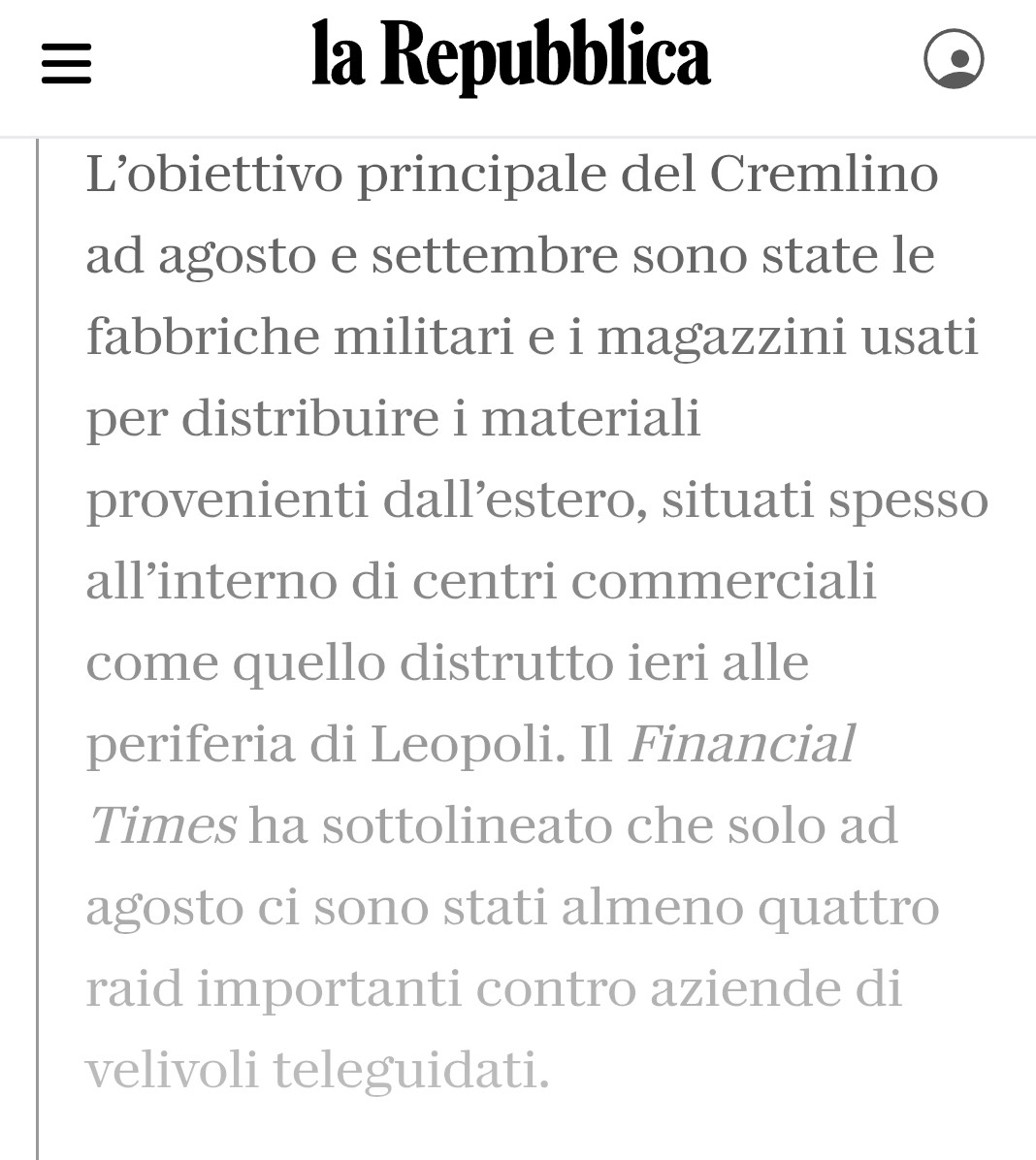
@repubblica @economia-la-repubblica-repubblica maledetti...e noi non arriviamo a fine mese!
-
@gian_d_gian
Bella sperimentazione, dev'essere piaciuta ai ragazzi 👍🏻Io uso un sistema simile perché ho tanto spazio ma poco tempo per lavorare la terra.
Per cui smuovo solo leggermente la superficie, aspetto piova, appoggio le patate e copro con almeno 10cm di fieno ben compattato.
Così riesco a fare in un'oretta due filari da 12-15 metri, con una cinquantina di patate.Prima di provare direttamente su terra avevo sperimentato varie combinazioni in vaso (fieno, cartone, foglie, cippato), sempre con risultati discreti.
Rispetto a quando le coltivavo in terra, con tutta la lavorazione richiesta, il vantaggio è notevole.
Anche la qualità del suolo, che viene meno "ribaltato".
La produttività è leggermente inferiore ma, tutto considerato, mi trovo _molto_ meglio con questo metodo.
-
CINEMATOGRAFIA QUEER (@cinematoqueer.bsky.social)
https://bsky.app/profile/cinematoqueer.bsky.social/post/3mgaevtszgk23
> Taylor Zakhar Perez para a VMAN. 📸🔥
-
The world of technology is shifting rapidly, and so is the world of media, creators and journalism. It's hard to keep up with, and even harder to predict.
My strong belief, though, is that open software that you own and control is going to be even more important and relevant in the future than it is now.
So we're going to keep building it.
-
@anfangel.bsky.social
https://bsky.app/profile/anfangel.bsky.social/post/3mgaensnln22f
Filastrocca corta e matta,
il porto vuole sposare la porta,
la viola studia il violino,
il mulo dice: Mio figlio è il mulino
la mela dice: Mio nonno è il melone
il matto vuole essere un mattone,
e il più matto della terra
sapete che vuole? Fare la guerra!(Gianni Rodari, Filastrocca corta e matta)