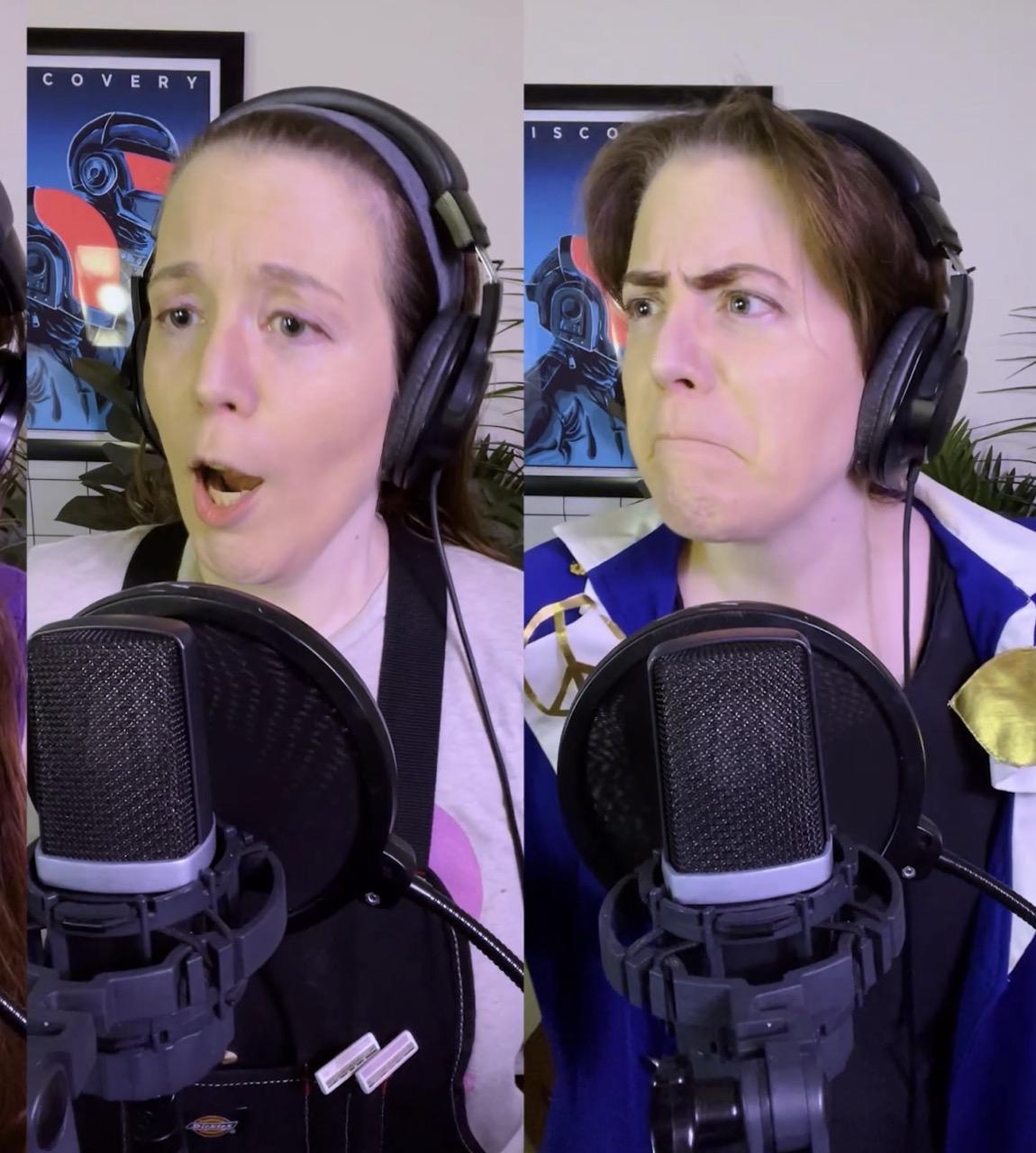
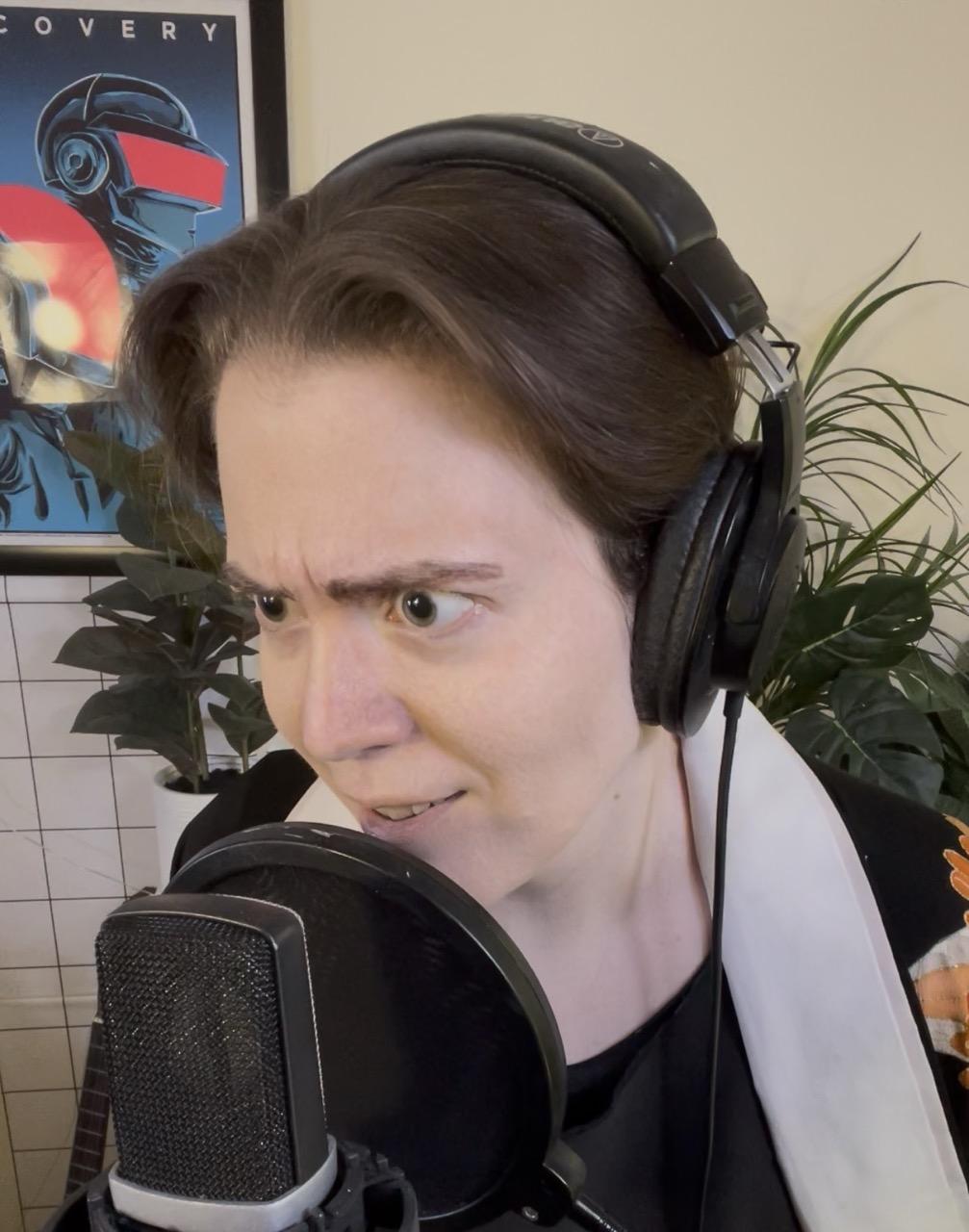
working on the scene just before the finale of Paisiello's Barber.
Uncategorized
22
Posts
3
Posters
2
Views
-
rossini's Count: waaah im super in love with rosina but im shyyyyyy what do i do u have to help me figaro please help me pretty pretty please
rossini's figaro: shut uppaisiello's figaro: can i go home now
paisiello's count: shut upno but seriously in Rossini's Barber Figaro does actually tell the Count to shut up at least four times I can think of offhand. lmao
I think Paisiello's Count tells Figaro to shut up twice?
Rossini's Figaro meeting Paisiello's Count would be some "unstoppable force meets immovable object" shit. possibly too much flamboyant ham for the stage to handle
-
no but seriously in Rossini's Barber Figaro does actually tell the Count to shut up at least four times I can think of offhand. lmao
I think Paisiello's Count tells Figaro to shut up twice?
Rossini's Figaro meeting Paisiello's Count would be some "unstoppable force meets immovable object" shit. possibly too much flamboyant ham for the stage to handle
it's worth noting that after Paisiello's Count gets married to Rosina he does not speak to her again for the rest of the opera, which still has ~7 mins to go til the end, and when he talks about her it is entirely in terms of property rights (that is, his rights to her, as property). This is not an oversight but rather very very intentional. Finding it fucked up is exactly the reaction Beaumarchais intended
-
 undefined oblomov@sociale.network shared this topic on
-
it's worth noting that after Paisiello's Count gets married to Rosina he does not speak to her again for the rest of the opera, which still has ~7 mins to go til the end, and when he talks about her it is entirely in terms of property rights (that is, his rights to her, as property). This is not an oversight but rather very very intentional. Finding it fucked up is exactly the reaction Beaumarchais intended
here's the real meat of Beaumarchais's/Paisiello's satire. Bartolo has committed no crimes, he's been a dick entirely within legal bounds - except in a system designed to cater to the whims of the elite, the law is whatever the Count says it is, and the instruments of its implementation, here the mayor of Seville, know who their masters are. the idea of "consent" is a bitter joke. Bartolo is coerced by the Count just as Figaro and Basilio were
-
here's the real meat of Beaumarchais's/Paisiello's satire. Bartolo has committed no crimes, he's been a dick entirely within legal bounds - except in a system designed to cater to the whims of the elite, the law is whatever the Count says it is, and the instruments of its implementation, here the mayor of Seville, know who their masters are. the idea of "consent" is a bitter joke. Bartolo is coerced by the Count just as Figaro and Basilio were
worth noting that Paisiello's Count does not ask Rosina to marry him, he just tells her to marry him and she requires no coersion because she was about to be forced to marry an old doctor so marrying a young aristocrat is a big upgrade. she had no choice but is happy because the new situation somebody else picked for her is better than the prior existing one. if you think there's a lot to unpack there I have great news: female agency within this system is a central focus of the sequel
-
worth noting that Paisiello's Count does not ask Rosina to marry him, he just tells her to marry him and she requires no coersion because she was about to be forced to marry an old doctor so marrying a young aristocrat is a big upgrade. she had no choice but is happy because the new situation somebody else picked for her is better than the prior existing one. if you think there's a lot to unpack there I have great news: female agency within this system is a central focus of the sequel
BARTOLO: io perdei per poca cura!
FIGARO: dite pur per poca testa -
BARTOLO: io perdei per poca cura!
FIGARO: dite pur per poca testaThe narrative trajectory
The Count wants to test Rosina's worthiness by winning her love as a commoner
He attempts to anonymously use the levers of institutional power to gain access (the forged billet) but this fails
He attempts to use the social power of a gentleman of the same rank as Rosina (as "Don Alonso") to gain access, but this fails
He physically breaks in but Rosina rejects him
He goes fuck this and as his true self easily bulldozes all obstacles and takes what he wants -
The narrative trajectory
The Count wants to test Rosina's worthiness by winning her love as a commoner
He attempts to anonymously use the levers of institutional power to gain access (the forged billet) but this fails
He attempts to use the social power of a gentleman of the same rank as Rosina (as "Don Alonso") to gain access, but this fails
He physically breaks in but Rosina rejects him
He goes fuck this and as his true self easily bulldozes all obstacles and takes what he wantsin this case the failures are not a standard narrative arc of the hero slowly making progress while facing adversity, the narrative purpose of the Count's repeated failures is to show the idea of his succeeding by merit alone is a joke, the very system from which he derives his power makes success by merit impossible. all his pointless incognito make-believe did was indulge his vanity and waste everyone's else's time
-
in this case the failures are not a standard narrative arc of the hero slowly making progress while facing adversity, the narrative purpose of the Count's repeated failures is to show the idea of his succeeding by merit alone is a joke, the very system from which he derives his power makes success by merit impossible. all his pointless incognito make-believe did was indulge his vanity and waste everyone's else's time
it is also significant to Beaumarchais's satire that the story involves the whims of a count and not a prince in the manner of a more fairy tale/allegorical treatment. a prince is special. a count is the lowest tier of nobleman. the fact that the count isn't even special or important is central to the point: just the fact that he's some random noble gives him free license to fuck everyone over with no consequences
-
it is also significant to Beaumarchais's satire that the story involves the whims of a count and not a prince in the manner of a more fairy tale/allegorical treatment. a prince is special. a count is the lowest tier of nobleman. the fact that the count isn't even special or important is central to the point: just the fact that he's some random noble gives him free license to fuck everyone over with no consequences
point of interest: in Rossini's Barber, Bartolo sends for the notary, and since Figaro is a trickster, he intercepts the notary and gets him to prep paperwork for the Count and Rosina instead. it's not the marriage the Count would have picked but the situation forces it
in Beaumarchais's/Paisiello's Barber, the Count sends for the notary. He gives no shits about religion or love, he just wants to acquire a high value asset (Rosina), and the marriage proceeds exactly per his plan
-
point of interest: in Rossini's Barber, Bartolo sends for the notary, and since Figaro is a trickster, he intercepts the notary and gets him to prep paperwork for the Count and Rosina instead. it's not the marriage the Count would have picked but the situation forces it
in Beaumarchais's/Paisiello's Barber, the Count sends for the notary. He gives no shits about religion or love, he just wants to acquire a high value asset (Rosina), and the marriage proceeds exactly per his plan
rossini's count: our marriage, oh dearest, is the work of love. that love which made you my wife will tie me to you until death (il nostro nodo, o cara, opra è d'amore. amoooooooooooreeeeee che ti fe' mia consorte a te mi stringerà fino alla morte)
paisiello's count: the contract is already signed, who would want to dispute it? (il contratto è già firmato, disputarlo chi vorrei?)
-
rossini's count: our marriage, oh dearest, is the work of love. that love which made you my wife will tie me to you until death (il nostro nodo, o cara, opra è d'amore. amoooooooooooreeeeee che ti fe' mia consorte a te mi stringerà fino alla morte)
paisiello's count: the contract is already signed, who would want to dispute it? (il contratto è già firmato, disputarlo chi vorrei?)
other point of interest: Rosina is not a commoner per se, she is a gentlewoman. the fictional "Lindoro" is in fact a lower social rank than her, which she draws attention to when outraged that the low-born Lindoro would betray her when she was so nice to him despite his being below her station. the Count is hypocritically testing Rosina's virtue by seeing if she can love someone of a social rank he would not himself consider marrying into
-
other point of interest: Rosina is not a commoner per se, she is a gentlewoman. the fictional "Lindoro" is in fact a lower social rank than her, which she draws attention to when outraged that the low-born Lindoro would betray her when she was so nice to him despite his being below her station. the Count is hypocritically testing Rosina's virtue by seeing if she can love someone of a social rank he would not himself consider marrying into
in modern narratives, being attracted to someone on looks alone is considered shallow and a real hero wants the girl based on her personality. something interesting here that I think points to the incompleteness of this concept: Paisiello's Count believes having Rosina as a wife will flatter him due to her intelligence and "fire". Rossini's Count is desperate to be with Rosina and secure her happiness because she is really really pretty you guys. Which of the two counts is the more shallow?
-
in modern narratives, being attracted to someone on looks alone is considered shallow and a real hero wants the girl based on her personality. something interesting here that I think points to the incompleteness of this concept: Paisiello's Count believes having Rosina as a wife will flatter him due to her intelligence and "fire". Rossini's Count is desperate to be with Rosina and secure her happiness because she is really really pretty you guys. Which of the two counts is the more shallow?
I actually think Rossini's Count is in such a pathetic state of wibbling lovesick sadbrains because he loves a lot more than just Rosina's beauty but he's too stupid to articulate exactly what it is that drives his longing, but that still points to how a weird element of many modern love stories (particularly of the "family friendly" variety) is that a heroic character must be able to have the eloquence and self-awareness to verbally express morally virtuous rationales for their attraction
-
I actually think Rossini's Count is in such a pathetic state of wibbling lovesick sadbrains because he loves a lot more than just Rosina's beauty but he's too stupid to articulate exactly what it is that drives his longing, but that still points to how a weird element of many modern love stories (particularly of the "family friendly" variety) is that a heroic character must be able to have the eloquence and self-awareness to verbally express morally virtuous rationales for their attraction
unrelated: it is still wild to me what a drastic effect really small differences in mouth/jaw placement make in the shape of a face. i drew eyebrows and a nose bridge on the count and the characters have different shades of lipstick but the makeup is otherwise the same. it's my own dumb face ive seen a million times and it still seems like distinguishing these characters this drastically with so little shouldn't be possible
-
unrelated: it is still wild to me what a drastic effect really small differences in mouth/jaw placement make in the shape of a face. i drew eyebrows and a nose bridge on the count and the characters have different shades of lipstick but the makeup is otherwise the same. it's my own dumb face ive seen a million times and it still seems like distinguishing these characters this drastically with so little shouldn't be possible
@Xibanya glasses off, straighten up: Superman. So yeah.
-
unrelated: it is still wild to me what a drastic effect really small differences in mouth/jaw placement make in the shape of a face. i drew eyebrows and a nose bridge on the count and the characters have different shades of lipstick but the makeup is otherwise the same. it's my own dumb face ive seen a million times and it still seems like distinguishing these characters this drastically with so little shouldn't be possible
@Xibanya
The hair and the towel - and the body language - makes a big difference too, I think.Wonder what it'd look like if you swapped accessories?
-
@Xibanya
The hair and the towel - and the body language - makes a big difference too, I think.Wonder what it'd look like if you swapped accessories?
@jannem it isn't a towel it is an unfastened kimono 😂


Gli ultimi otto messaggi ricevuti dalla Federazione
-
IL LAGO MAGGIORE
#ILLAGOMAGGIORE #LakeMaggiore #Switzerland #Italian #Swiss #Locarno #Arona #Gavirate #Varese #Italy #Longoborio #Lombardy #photography #FerroCandilera
-
@ajlewis2 oh no. I hope this will be sorted out. It looks like a neverending story...
-
It looks like the permit is lost. The permitting place checked the database and our address does not show up. I was asked for the permit number, called the company that is to do the work. They applied for the permit. They did not have the number. Sweet mysteries of life. Someone is looking into it.
-
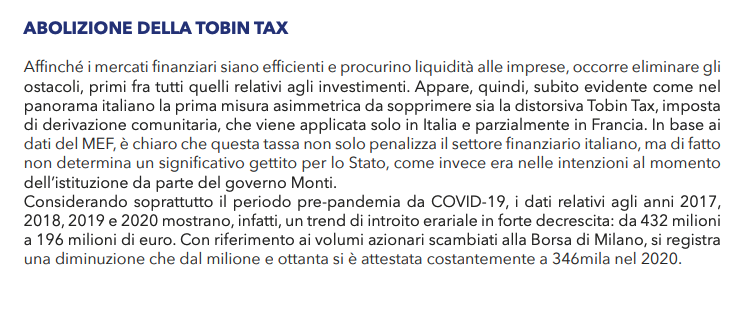
Estratto dal programma elettorale della Lega Salvini Premier, 2022: abolizione della c.d. Tobin Tax
-
Post relativamente tecnico, tradotto dalla version in inglese che ho pubblicato sul mio blog.
Che cosa significa davvero “macroscopico” nella teoria quantistica?Una delle difficoltà persistenti nel discutere l’emergenza dell’irreversibilità macroscopica a partire dalla dinamica quantistica microscopica è che spesso parliamo di “stati macroscopici”, “operazioni macroscopiche” o “correlazioni macroscopiche” senza una definizione pienamente soddisfacente di che cosa significhino davvero questi termini.
Questo lavoro nasce da un problema molto concreto legato alla seconda legge della termodinamica. In un lavoro precedente abbiamo mostrato che, per un sistema quantistico isolato, l’entropia macroscopica non aumenta se e solo se il sistema rimane in uno stato macroscopico durante tutta l’evoluzione. Il problema era che, a quel punto, “stato macroscopico” era definito solo in modo implicito. Questo rendeva difficile spingere oltre la discussione, perché non era chiaro quali fossero le proprietà strutturali, algebriche o operative di tali stati.
L’obiettivo di questo lavoro non è quindi introdurre un’ennesima entropia, ma capire la macroscopicità in sé in modo preciso. Volevamo una definizione che fosse al tempo stesso algebrica, costruttiva e operativa, e che potesse fungere da base solida per discutere l’emergenza.
Macroscopicità come confine inferenzialeUno dei messaggi principali dell’articolo è che la distinzione tra “macro” e “micro” non è assoluta. Dipende dall’osservatore. Questa affermazione va presa in un senso molto letterale e sobrio.
Per osservatore non intendiamo nulla che abbia a che fare con il problema della misura o con la coscienza. Intendiamo semplicemente una specificazione di quali grandezze fisiche possono essere misurate simultaneamente. Queste sono ciò che già von Neumann chiamava osservabili macroscopiche. Prima di discutere di emergenza, è necessario chiarire quali variabili si stanno effettivamente considerando.
Una volta fatta questa scelta, la distinzione tra gradi di libertà macroscopici e microscopici coincide esattamente con un confine tra ciò che può essere inferito e ciò che non può essere inferito. Date le variabili misurate e una certa informazione a priori, alcuni dettagli microscopici possono essere retrodedotti dai dati macroscopici, mentre altri sono irrimediabilmente persi. Ciò che conta come macroscopico è determinato da questo confine inferenziale.
Non è che le variabili macroscopiche emergano per prime e quelle microscopiche siano nascoste sotto. Al contrario, è la scelta delle variabili macroscopiche che decide che cosa è macro e che cosa è micro.
È interessante notare che questa prospettiva inferenziale e retrodittiva non è stata imposta dall’esterno. È emersa naturalmente dalla matematica. A posteriori, questo è stato particolarmente significativo, soprattutto alla luce di lavori recenti sul ruolo di predizione e retrodizione nelle relazioni di fluttuazione.
Dall’entropia osservazionale al deficit osservazionaleL’entropia osservazionale cattura già una parte importante di questa storia. Spiega come l’entropia possa aumentare sotto dinamiche unitarie quando ci si limita a osservazioni macroscopiche. Tuttavia, nella sua formulazione standard, essa si basa su una distribuzione a priori uniforme.
Questa è una limitazione seria. In contesti termodinamici, una distribuzione termica è spesso la scelta naturale. In sistemi di dimensione infinita, lo stato uniforme può addirittura non esistere. Per questo motivo abbiamo introdotto la nozione di deficit osservazionale, definita rispetto a un prior arbitrario.
Concettualmente, il deficit osservazionale misura quanta informazione su uno stato viene persa quando si passa da una descrizione microscopica ai dati macroscopici, tenendo conto della conoscenza a priori dell’osservatore.
Gli stati macroscopici sono allora esattamente quelli per cui questo deficit si annulla. Sono gli stati che possono essere perfettamente retrodedotti dai soli dati macroscopici.
Sistemi di riferimento inferenziali e MPPPUn risultato tecnico centrale dell’articolo è l’esistenza e unicità di quello che chiamiamo il massimo post-processing proiettivo (MPPP) di una misura, rispetto a un dato prior. Questo oggetto ha un ruolo concettuale fondamentale.
Il risultato mostra che ogni osservatore, definito da una misura e da un prior, può essere rappresentato da una misura proiettiva appropriata. Questa misura proiettiva cattura esattamente l’informazione che è inferenzialmente accessibile. Per questo motivo la interpretiamo come un sistema di riferimento inferenziale.
Così come un sistema di riferimento di simmetria determina quali sovrapposizioni sono fisicamente significative, un sistema di riferimento inferenziale determina quali distinzioni tra stati sono significative a livello macroscopico. È questa struttura che decide che cosa conta come macroscopico e che cosa conta come microscopico per un dato osservatore.
Una teoria delle risorse della microscopicitàUna volta identificati chiaramente gli stati macroscopici, è naturale chiedersi che cosa renda uno stato più microscopico di un altro. Rispondere a questa domanda richiede più di una semplice classificazione. Richiede un quadro operativo.
Per questo abbiamo sviluppato una teoria delle risorse della microscopicità. In questa teoria, gli stati macroscopici sono gli stati liberi e la microscopicità è la risorsa. Il quadro costringe a pensare in termini di operazioni che non generano microscopicità e a chiarire che cosa sia realmente in gioco quando i dettagli microscopici diventano rilevanti.
Un risultato importante è che diverse teorie delle risorse ben note emergono come casi particolari. Coerenza, atermicità e asimmetria si inseriscono naturalmente in questo quadro una volta fatte opportune scelte di misure e prior. Vedere queste teorie come istanze della microscopicità fornisce un’interpretazione operativa unificata e chiarisce, per esempio, il significato fisico della distinzione tra coerenza “speakable” e “unspeakable”.
Correlazioni dipendenti dall’osservatoreLa stessa prospettiva può essere applicata alle correlazioni. Entanglement, discord e nozioni affini sono spesso trattate come proprietà assolute degli stati. I nostri risultati supportano una visione diversa. La visibilità e l’utilità delle correlazioni dipendono dal sistema di riferimento inferenziale dell’osservatore.
Questo non è particolarmente sorprendente, ma è importante. Molta della discussione sul ruolo dell’osservatore nella teoria quantistica riguarda le relazioni tra osservatori diversi. Prima di affrontare quel problema, è necessario capire come appaiono le correlazioni dal punto di vista di un singolo osservatore con accesso limitato.
Il nostro quadro fornisce un punto di partenza per questa analisi e potrebbe, in prospettiva, portare a qualcosa come una teoria della relatività dei sistemi di riferimento inferenziali.
Che cosa rende possibile questo lavoroA un livello generale, questo lavoro fornisce una soluzione rigorosa a un problema matematico di base: che cosa significa che uno stato, un’operazione o una correlazione siano macroscopici?
Senza una risposta precisa a questa domanda, le discussioni sull’emergenza del comportamento macroscopico rischiano di rimanere vaghe. Con questa risposta, possiamo finalmente dire di che cosa stiamo parlando. Questo non risolve da solo il problema dell’emergenza, ma chiarisce il linguaggio e la struttura necessari per affrontarlo in modo significativo.
L’articolo si intitola Macroscopicity and observational deficit in states, operations, and correlations ed è apparso su Reports on Progress in Physics un mese fa. L'articolo è disponibile gratis su arXiv.
@fisica
@scienze
-
confesso che l'ho apprezzato per un lungo periodo, ma negli ultimi anni i suoi silenzi sono stati inascoltabili. Sarà l'età, bo.
-
@misantropo70 l'avrei scritta anche in inglese, ma ammetto di non aver trovato un'espressione che rendesse bene l'idea allo stesso modo.
-
@RainbowRemedy I chose an instance that matches one of my major interests, is hosted in Europe, and provides additional features such as Markdown support and long posts.