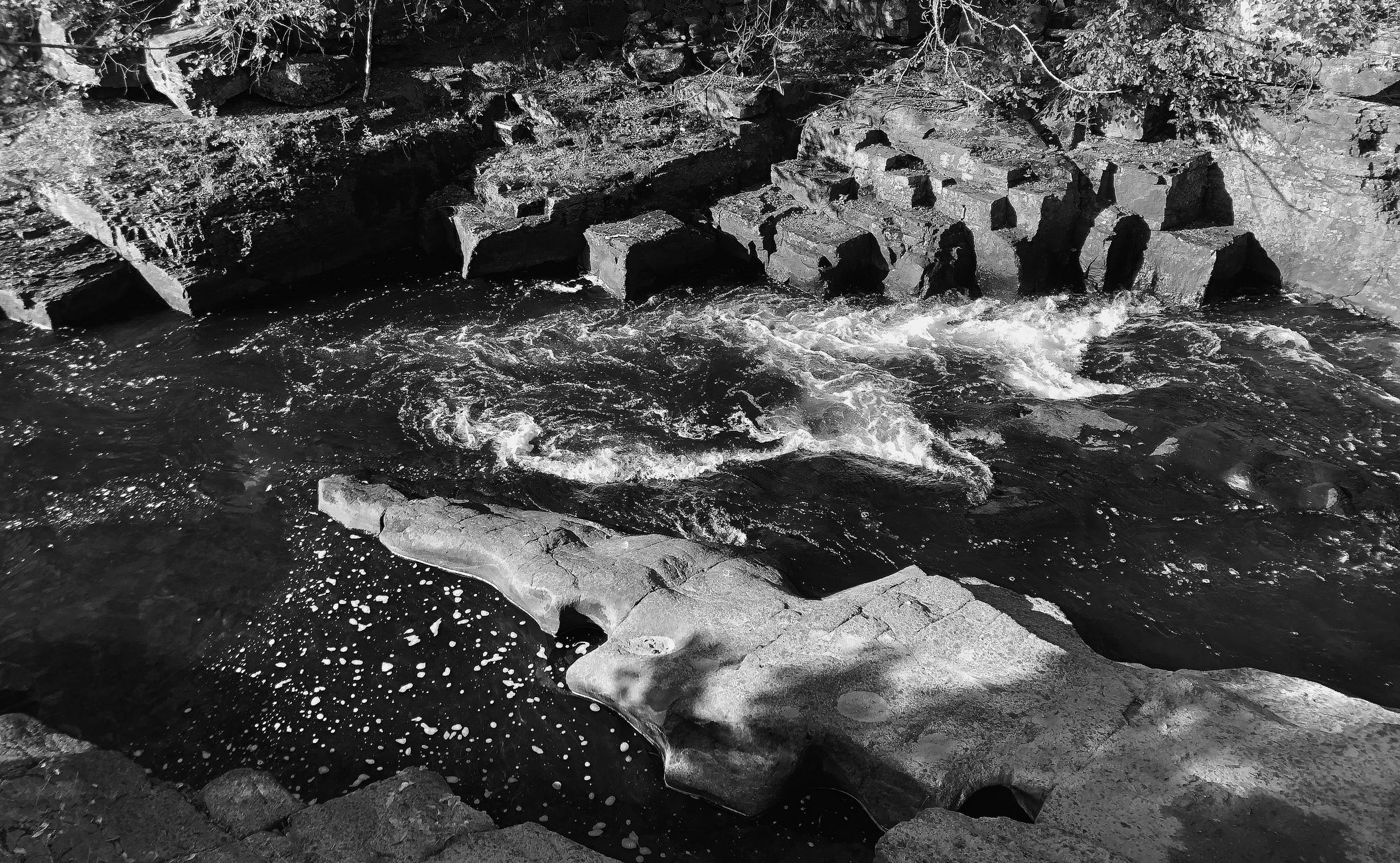
At the second bridge#monochrome #blackandwhite #river #photography
Uncategorized
1
Posts
1
Posters
18
Views
-
At the second bridge
-
 undefined oblomov@sociale.network shared this topic on

Gli ultimi otto messaggi ricevuti dalla Federazione
-
Una Masterclass su come NON gestire una Crisi. Mi raccomando: like 👍 like 👍 like 👍e, se condividete, un 8️⃣ sul registro!
Cosa succede quando un prof con milioni di follower viene accusato di usare i propri studenti minorenni come spammer per l'algoritmo in cambio di voti? Per capire come si distrugge l'accountability tra scuse non scuse, gaslighting e l'uso dei propri follower.
Il video di @lastknight
-
•
«Pensieri persi in cerca del futuro,/ operate qui e adesso bravamente» (Goethe)
-
@tridicomics di niente.
comunque valuta anche il pubblico come diceva @Zambunny , oppure puoi cercare associazioni, fondazioni, consultori o servizi pubblici di vario tipo nella tua zona.
e buona ricerca :)
-
La missione Artemis III non prevederà più la discesa sulla Luna. Lo ha appena annunciato la NASA. Sarà un test di aggancio in orbita terrestre fra la navetta Orion e un lander. Se tutto andrà bene sarà Artemis IV nel 2028 a scendere sulla Luna
-
@Lojie Yes! 😂 The Gray has called for backup and the 3 of them sort of work together. Whereas the Red has called for backup and they just sort of fight amongst each other. The Reds could use some team building.
-
Portoghese
-
@danmccullough
I see the feud between the red and the grey squirrel is ongoing ...
⚔️
-
@nocontexttrek I mean, how do you do it? So many, so clever and hilarious descriptors of the Chief? Every. Goddamn. Time. Just one would have sufficed for today’s post, and you blessed us with three! Are you not afraid of running out? Is there no limit to the creativity? We’re seriously not worthy. 🙇♂️





Post suggeriti
-
-
-
Saw some lovely full/nearly full moons last week including this waning gibbous day moon from last Wednesday morning.'n#StormHour #moon #sky #SkyPhotography #Astrophotography #Photography #AltText
Uncategorized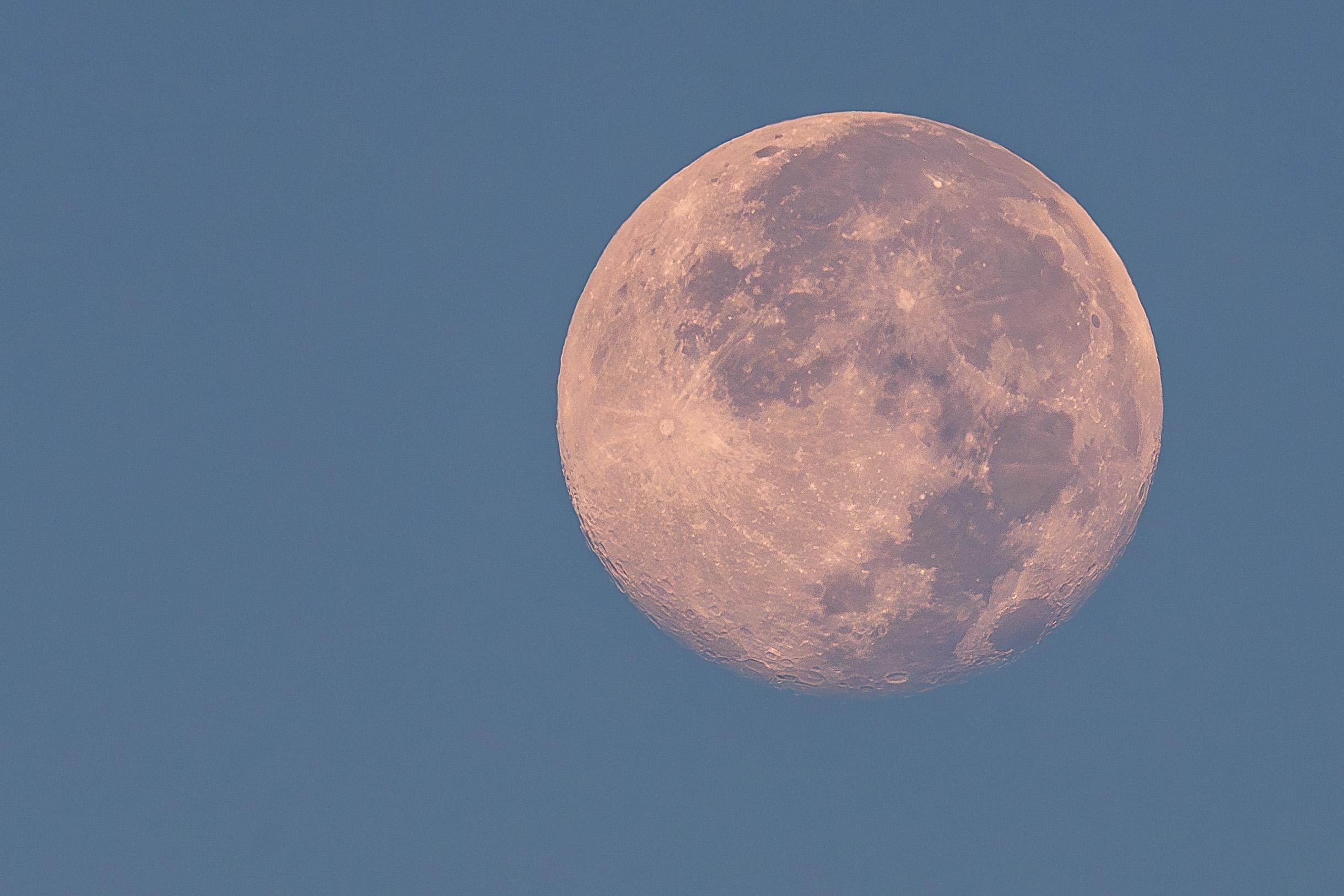 1
1
-
Di fronte a questo camino la nonna raccontava favole, noi nipoti pulivamo le verdure o rubavamo il sugo con i pezzettini di pane…la felicità quando c’è non la vedi #photography
Uncategorized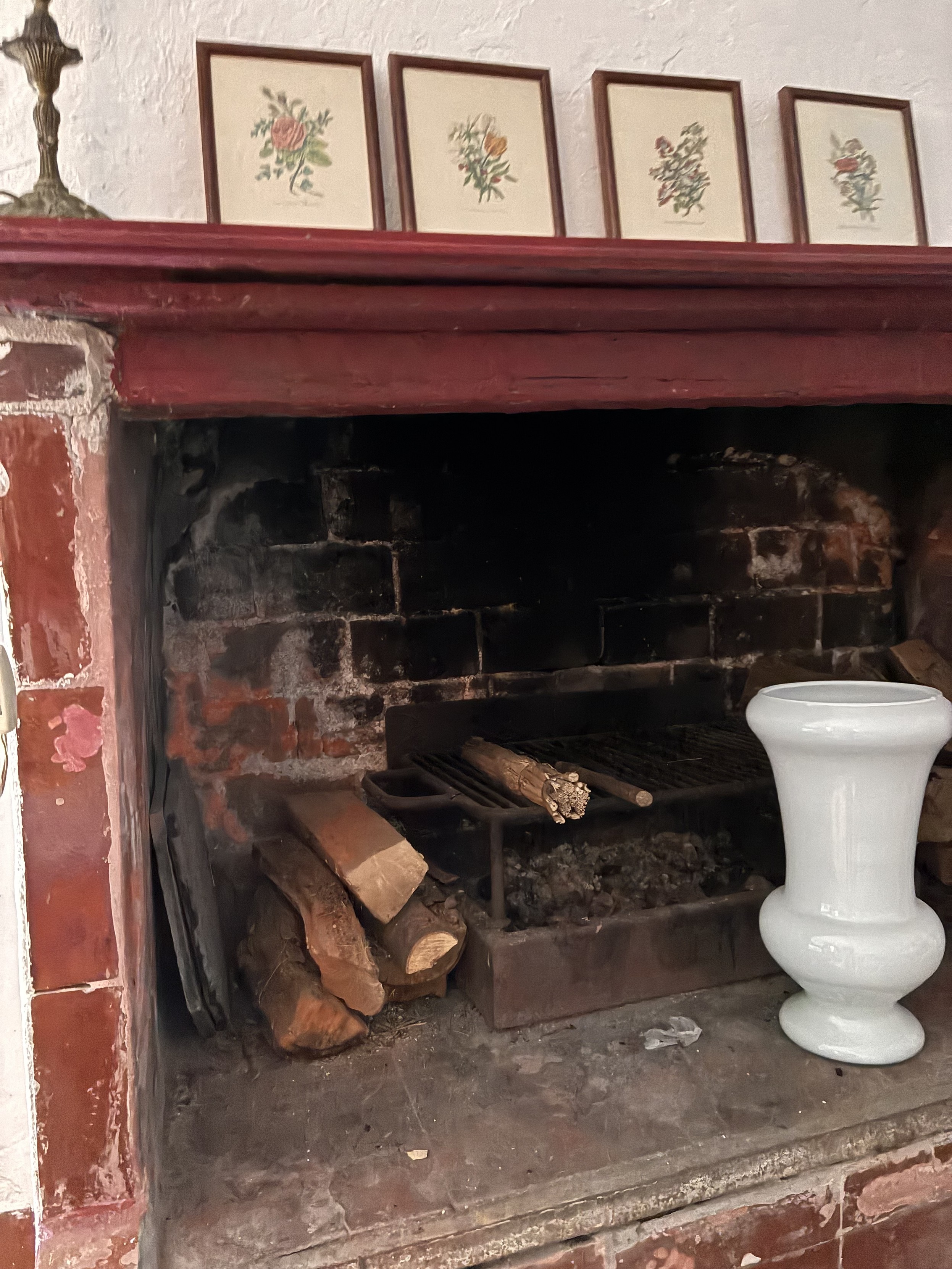 1
1