A while back I bought two of those Maclocks with the intention of modding one into a tiny Mac.
Uncategorized
105
Posts
31
Posters
0
Views


-
@WiteWulf Nothing fancy, it just switches the power to the Pi on and off.
I would love to use the touch sensor on the top of the case for a soft shutdown though! Any ideas what's in the top?
@paulrickards no idea; mine’s held in firmly with hot glue. There are scripts available that trigger a clean shutdown when you put a signal on a GPIO pin. I’m sure you could rig the fdd switch to that.
-
More #TinyMac:
- Swapped in a Raspberry Pi 3A+ for the Pi Zero 2 W. Slightly faster and has 5GHz WiFi which is so much better.
- Mounted the LCD/Pi to the back of the front case with some hot glue.
- Kept the front floppy switch as a power switch when floppy is inserted.
- Installed a LX-2BUPS (2x18650 UPS) inside for power, exposed a USB-C port on the back for charging.
Two tiny Macs, my converted one and an unmodified Maclock.
-
Two tiny Macs, my converted one and an unmodified Maclock.
@paulrickards Now you can write a Maclock emulator to run on the emulated one... 😀
-
Two tiny Macs, my converted one and an unmodified Maclock.
Obligatory flying toasters.
-
Obligatory flying toasters.
-
Obligatory flying toasters.
@paulrickards
but can you make the toasters leave the left-screen and pick up (exactly) on the right? 🤔
* the first time I saw that was on an attached Two Page Monitor for SE/30 in 1990 ... and I almost fell over because someone else installed it, and the timeout was really long so it had never "kicked in" -
@paulrickards
but can you make the toasters leave the left-screen and pick up (exactly) on the right? 🤔
* the first time I saw that was on an attached Two Page Monitor for SE/30 in 1990 ... and I almost fell over because someone else installed it, and the timeout was really long so it had never "kicked in"@petabites Multiple monitors was absolute magic back then.
No idea if Basillisk II supports addition displays.
-
Obligatory flying toasters.
@paulrickards very cute. Almost therapeutic:)
-
Obligatory flying toasters.
The top of the Maclock includes a touch sensitive area that would turn the backlight on and off, this area marked in red. It doesn’t move, it’s just plastic.
Underneath is a board that is likely difficult to remove, embedded with glue. It has two leads coming off of it.
Without seeing the board, can you theorize how it works and how it could be utilized with a Raspberry Pi GPIO?
-
The top of the Maclock includes a touch sensitive area that would turn the backlight on and off, this area marked in red. It doesn’t move, it’s just plastic.
Underneath is a board that is likely difficult to remove, embedded with glue. It has two leads coming off of it.
Without seeing the board, can you theorize how it works and how it could be utilized with a Raspberry Pi GPIO?
@paulrickards Touch sensitive and "two wires" to me smells like it's literally just a bare capacitive sensor, with all the sensing smarts being on whatever it's connected to. (one wire being GND and the other being 'sense')
-
The top of the Maclock includes a touch sensitive area that would turn the backlight on and off, this area marked in red. It doesn’t move, it’s just plastic.
Underneath is a board that is likely difficult to remove, embedded with glue. It has two leads coming off of it.
Without seeing the board, can you theorize how it works and how it could be utilized with a Raspberry Pi GPIO?
@paulrickards Capacitive touch sensor ?
-
@spacehobo @paulrickards but with only two wires to the board that's tricky if it's anything other than just a pair of pads for a touch sensor.
-
The top of the Maclock includes a touch sensitive area that would turn the backlight on and off, this area marked in red. It doesn’t move, it’s just plastic.
Underneath is a board that is likely difficult to remove, embedded with glue. It has two leads coming off of it.
Without seeing the board, can you theorize how it works and how it could be utilized with a Raspberry Pi GPIO?
@paulrickards does it just function like a momentary switch, by chance?
-
The top of the Maclock includes a touch sensitive area that would turn the backlight on and off, this area marked in red. It doesn’t move, it’s just plastic.
Underneath is a board that is likely difficult to remove, embedded with glue. It has two leads coming off of it.
Without seeing the board, can you theorize how it works and how it could be utilized with a Raspberry Pi GPIO?
@paulrickards if not touch capacitive, could be an IR led & photoresistor in series. The toucher reflects the IR back, reducing the resistance and increasing the circuit's current flow. Not sure if that could be measured over just two wires going to a Pi's GPIO pins. This method of "touch" sensing probably needs more signal processing than capacitive touch, but it's not the worst way to do it

-
Obligatory flying toasters.
@paulrickards I’m looking forward to my über-portable AIR router project once my Maclock arrives. I also bought a pre-made-but-3D-printed-case mini Mac to maybe shortcut things.
-
Two tiny Macs, my converted one and an unmodified Maclock.
Are there any instructions on how to do it?
I mean the maclock mod, not installing the emulator on the Pi.Thanks!
-
Are there any instructions on how to do it?
I mean the maclock mod, not installing the emulator on the Pi.Thanks!
@alexshendi Just what you see in this thread. Also worth looking at the #TinyMac tag.
I used this Waveshare 2.8” DPI display for Raspberry Pi.
-
@alexshendi Just what you see in this thread. Also worth looking at the #TinyMac tag.
I used this Waveshare 2.8” DPI display for Raspberry Pi.
It's connected via HDMI, not SPI, right?
-
It's connected via HDMI, not SPI, right?
@alexshendi Neither, this one uses DPI via the GPIO pins.
-
Two tiny Macs, my converted one and an unmodified Maclock.











Feed RSS
Gli ultimi otto messaggi ricevuti dalla Federazione
-
@brooke nobody's under any obligation to coach a kid's soccer team, but coaching a kid's soccer team takes 10-20 hours per month.
-
-
@aeva I got a haircut!
-
@brooke often, yes.
-
@mitchellh ok, let me know when it's done.
-
@brooke @mitchellh it's not a secret question. "How much time should one dedicate to maintaining an Open Source project" is really straightforward. It's a practical question about bug triage, dependency management, and maybe making some progress or adding new features. If the question was about mushy bullshit, I wouldn't have given fixed time constraints.
-
@evan @ted forking is always, *always* an option and sometimes *absolutely* the right one for the case where a barely-maintained hobby project gets used by somebody else and it becomes a dependency, unexpectedly to the original author
-
@evan @ted the corollary is that you shouldn't promise maintainership you can't provide.
so if you maintain a project *that people use and you don't have time or inclination to do the work they need* you have two options:
* recommend someone else do it (add maintainers or let them fork it)
* get support so you can do that instead of a different day job



Post suggeriti
-
-
-
𝗖𝗢𝗠𝗠𝗢𝗗𝗢𝗥𝗘 𝟲𝟰 𝗨𝗟𝗧𝗥𝗔 𝗖𝗢𝗡𝗩𝗜𝗡𝗖𝗘: 𝗕𝗢𝗢𝗠 𝗗𝗜 𝗩𝗘𝗡𝗗𝗜𝗧𝗘 𝗘 𝗔𝗖𝗤𝗨𝗜𝗦𝗜𝗭𝗜𝗢𝗡𝗘 𝗔𝗡𝗧𝗜𝗖𝗜𝗣𝗔𝗧𝗔 𝗗𝗘𝗜 𝗠𝗔𝗥𝗖𝗛𝗜Appassionati e collezionisti confermano il forte legame emotivo col celebre home computer degli anni '80
Uncategorized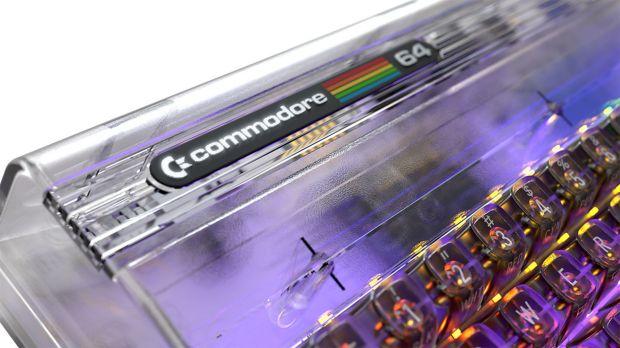 1
1
-
17 settembre 1971#accaddeoggiLa RCA esce dal mercato dei computer dopo perdite per 490 milioni di dollari, chiudendo la divisione RCA-CSD.
Uncategorized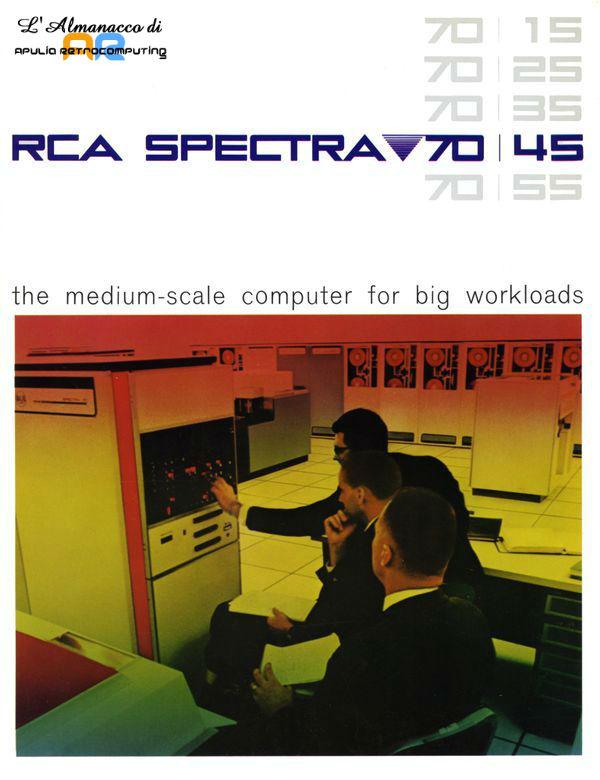 1
1