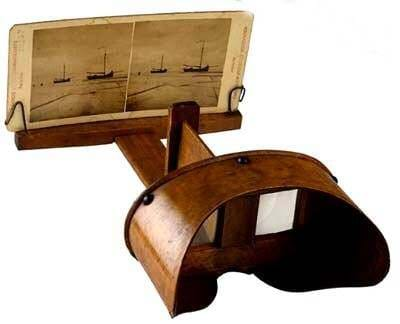
In honor of Meta's latest announcement, a thread on 175 years of 3D failure.
Uncategorized
29
Posts
4
Posters
1
Views
-
@williampietri just gonna rudely chime in as someone who until recently had no binocular vision (and still has very little) and state that yeah, in my experience lack of it MOSTLY doesn’t affect daily life: essentially it’s like watching TV, as you say, depth can be inferred from the 2D information you’re presented.
HOWEVER: the world is a hell of a lot more visually interesting and easy to navigate with it. And now I can catch things when they’re thrown at me.
@astronomerritt Ooh, fascinating! Thanks for responding. How did you come to start getting it?
-
@astronomerritt Ooh, fascinating! Thanks for responding. How did you come to start getting it?
@williampietri I have severe amblyopia (or lazy eye), and because vision in one eye is so much worse than the other, my brain simply switches off the bad eye in favour of my good eye. I was what is called “functionally blind” in my left eye, rather than physically blind.
Turns out VR headsets force my brain to use the eye it usually ignores. The first time I put one on was the first time I ever saw in 3D. I cried. Got one for myself. Started using it pretty frequently… and found that my brain has started using my left eye a little even when I’m not wearing the headset. My left eye’s vision has even improved a bit because my brain isn’t so violently opposed to using it any more! My optometrist is very excited. I now measure as having the lowest possible level of depth perception, but I DO have it.
This actually happens with a number of people with amblyopia to the point therapeutic treatments are in development using VR headsets, or were last time I checked.
-
@williampietri I have severe amblyopia (or lazy eye), and because vision in one eye is so much worse than the other, my brain simply switches off the bad eye in favour of my good eye. I was what is called “functionally blind” in my left eye, rather than physically blind.
Turns out VR headsets force my brain to use the eye it usually ignores. The first time I put one on was the first time I ever saw in 3D. I cried. Got one for myself. Started using it pretty frequently… and found that my brain has started using my left eye a little even when I’m not wearing the headset. My left eye’s vision has even improved a bit because my brain isn’t so violently opposed to using it any more! My optometrist is very excited. I now measure as having the lowest possible level of depth perception, but I DO have it.
This actually happens with a number of people with amblyopia to the point therapeutic treatments are in development using VR headsets, or were last time I checked.
@astronomerritt Hey, that's awesome! Now there's a great use for stereoscopic 3D.
-
@astronomerritt Hey, that's awesome! Now there's a great use for stereoscopic 3D.
@williampietri Don’t get me wrong, I agree with your thread, I don’t think 3D tech is ever really going to be a Big Thing in most people’s lives and trying to push it on folk is likely to fail. But it does have its niche uses and as you say, it can be a fun toy 😊
-
@williampietri Don’t get me wrong, I agree with your thread, I don’t think 3D tech is ever really going to be a Big Thing in most people’s lives and trying to push it on folk is likely to fail. But it does have its niche uses and as you say, it can be a fun toy 😊
@astronomerritt @williampietri This is shockingly close to what the Berkeley School of Optometry hoped would happen for my kid, but one generation of technology back, with 3D TV and vidya games. Unfortunately he was too little to play any of the games successfully (I think 4-5 years old?) so it just became a source of frustration for us all when we couldn't follow through on the therapy protocol.
Now nearly an adult, he knows that VR has worked for others but hasn't yet decided he'd like to try it, for fear of disappointment. Inspiring to hear a first-hand account!
-
@astronomerritt @williampietri This is shockingly close to what the Berkeley School of Optometry hoped would happen for my kid, but one generation of technology back, with 3D TV and vidya games. Unfortunately he was too little to play any of the games successfully (I think 4-5 years old?) so it just became a source of frustration for us all when we couldn't follow through on the therapy protocol.
Now nearly an adult, he knows that VR has worked for others but hasn't yet decided he'd like to try it, for fear of disappointment. Inspiring to hear a first-hand account!
@mogul @williampietri Oh, that’s fascinating, I didn’t know they were trying this with 3D TVs!
In general there used to be this idea that once you’re an adult, you’re stuck with amblyopia, and nothing can be done: but recent science has shown the brain’s visual cortex actually retains plasticity even in adults, and it CAN learn to use the bad eye again. If your kid hasn’t tried a VR headset to see if the 3D effect works for him, that’s a good first step (as it doesn’t always, and it can make folk nauseous).
I got mine with very low expectations. I’d heard of VR headsets helping amblyopic folk but I wasn’t really hoping for much. The first time I realised I was seeing depth even with the headset off was WILD. I was just poking a chair like “it’s CLOSE!”. I’d love for your kid to experience that too one day.
-
@mogul @williampietri Oh, that’s fascinating, I didn’t know they were trying this with 3D TVs!
In general there used to be this idea that once you’re an adult, you’re stuck with amblyopia, and nothing can be done: but recent science has shown the brain’s visual cortex actually retains plasticity even in adults, and it CAN learn to use the bad eye again. If your kid hasn’t tried a VR headset to see if the 3D effect works for him, that’s a good first step (as it doesn’t always, and it can make folk nauseous).
I got mine with very low expectations. I’d heard of VR headsets helping amblyopic folk but I wasn’t really hoping for much. The first time I realised I was seeing depth even with the headset off was WILD. I was just poking a chair like “it’s CLOSE!”. I’d love for your kid to experience that too one day.
@astronomerritt @williampietri I've heard about the research showimg greater adaptability in adults, and he has too, which is why he didn't rush to it once VR seemed to help (he had higher priority stuff happening). What was your entry point? Did you use the explicit therapy system for this, or just use VR as a gamer on your own?
-
@astronomerritt @williampietri I've heard about the research showimg greater adaptability in adults, and he has too, which is why he didn't rush to it once VR seemed to help (he had higher priority stuff happening). What was your entry point? Did you use the explicit therapy system for this, or just use VR as a gamer on your own?
@astronomerritt @williampietri (Note he has other complications; the amblyopic eye had a congenital cataract removed early, so there's a plastic lens in there.)
-
@astronomerritt @williampietri (Note he has other complications; the amblyopic eye had a congenital cataract removed early, so there's a plastic lens in there.)
@mogul Just VR as a gamer. I play video games anyway, and I love rhythm games, so I really wanted the headset to play Beat Saber and I figured if I saw any miraculous improvement that would be amazing. I did not expect to ACTUALLY see miraculous improvement.
I don’t know how a plastic lens might affect things: it might be worth speaking to an optometrist or ophthalmologist before trying?
-
@mogul Just VR as a gamer. I play video games anyway, and I love rhythm games, so I really wanted the headset to play Beat Saber and I figured if I saw any miraculous improvement that would be amazing. I did not expect to ACTUALLY see miraculous improvement.
I don’t know how a plastic lens might affect things: it might be worth speaking to an optometrist or ophthalmologist before trying?
@astronomerritt We may; he's a teenager and I don't want to press him to do something he doesn't want.
OTOH if that's all it takes... There's a VR headset and Beat Saber available in his brother's room! So the barrier to trying it is really low compared to "doctor agrees + insurance agrees".
-
@astronomerritt We may; he's a teenager and I don't want to press him to do something he doesn't want.
OTOH if that's all it takes... There's a VR headset and Beat Saber available in his brother's room! So the barrier to trying it is really low compared to "doctor agrees + insurance agrees".
@astronomerritt How much did you play before you noticed the difference?
-
@astronomerritt How much did you play before you noticed the difference?
@mogul I noticed a difference immediately after taking the headset off after playing for about an hour, but it faded over time. After a few months of regular play, though, the effect “stuck”.
It isn’t a big dramatic change. At first I didn’t quite realise anything was different at all. Then I realised that the real world had… texture? If that makes sense.
-
@williampietri I have severe amblyopia (or lazy eye), and because vision in one eye is so much worse than the other, my brain simply switches off the bad eye in favour of my good eye. I was what is called “functionally blind” in my left eye, rather than physically blind.
Turns out VR headsets force my brain to use the eye it usually ignores. The first time I put one on was the first time I ever saw in 3D. I cried. Got one for myself. Started using it pretty frequently… and found that my brain has started using my left eye a little even when I’m not wearing the headset. My left eye’s vision has even improved a bit because my brain isn’t so violently opposed to using it any more! My optometrist is very excited. I now measure as having the lowest possible level of depth perception, but I DO have it.
This actually happens with a number of people with amblyopia to the point therapeutic treatments are in development using VR headsets, or were last time I checked.
-
 undefined oblomov@sociale.network shared this topic on
 undefined aeva@mastodon.gamedev.place shared this topic on



Gli ultimi otto messaggi ricevuti dalla Federazione
-
Dall’archivio di Cassandra/ Invisibile Internet Project
Ecco cos’è e come funziona la rete invisibile insaccata dentro la rete, ora più facilmente utilizzabile. Ecco come iniziare ad esplorare una singolare tipologia di darknet. I pro e i contro.
https://www.lealternative.net/2026/01/19/dallarchivio-di-cassandra-invisibile-internet-project/
-
C'è ancora un po' di tempo per salire a bordo della missione Artemis II verso la Luna. Ecco il link per registrarsi e aggiungere il proprio nome in una scheda di memoria che volerà nella navetta Orion
https://www3.nasa.gov/send-your-name-with-artemis/
-
202 – Prima ci tracciavano. Ora costruiscono il nostro gemello digitale https://www.camisanicalzolari.it/202-prima-ci-tracciavano-ora-costruiscono-il-nostro-gemello-digitale/?utm_source=dlvr.it&utm_medium=mastodon
-
@MelissaBearTrix lava lamps have always looked like intimate props, TBF.
-
@afreytes if it's any consolation, I'm the oblivious kind as well, and I was underweight until my late 30s. I don't know if there's a physical / body image correlation with obliviousness. I've never being able to tell the difference between «sfriendly» and «coming on to me». Part of it might be that on a personal level I've always considered romance something that you build on top of friendship, rather than independently from it, leading to a conflation of the initial approach
-
Una finale assurda della Coppa d'Africa. Rigore per il #Marocco a 1 minuto dalla fine. Il #Senegal, per protesta, esce dal campo. Ritorna e #BrahimDiaz (miglior giocatore del torneo) lo batte provando il cucchiaio. Il portiere glielo sugge. Tempi supplementari: golasso dei Leoni di Taranga. Risultato finale: Marocco-Senegal 0-1. Tutto ciò neIlo stadio Prince Moulay Abdellah di Populous a Rabat, emblema delle ambizioni del Marocco https://www.domusweb.it/it/architettura/2026/01/16/stadio-populous-prince-moulay-abdellah-rabat-messico.html
-
@sortius thank
-
@Otttoz I'm sorry, I don't speak Italian, so I had to translate that. Yeh, they're cooked, only just.
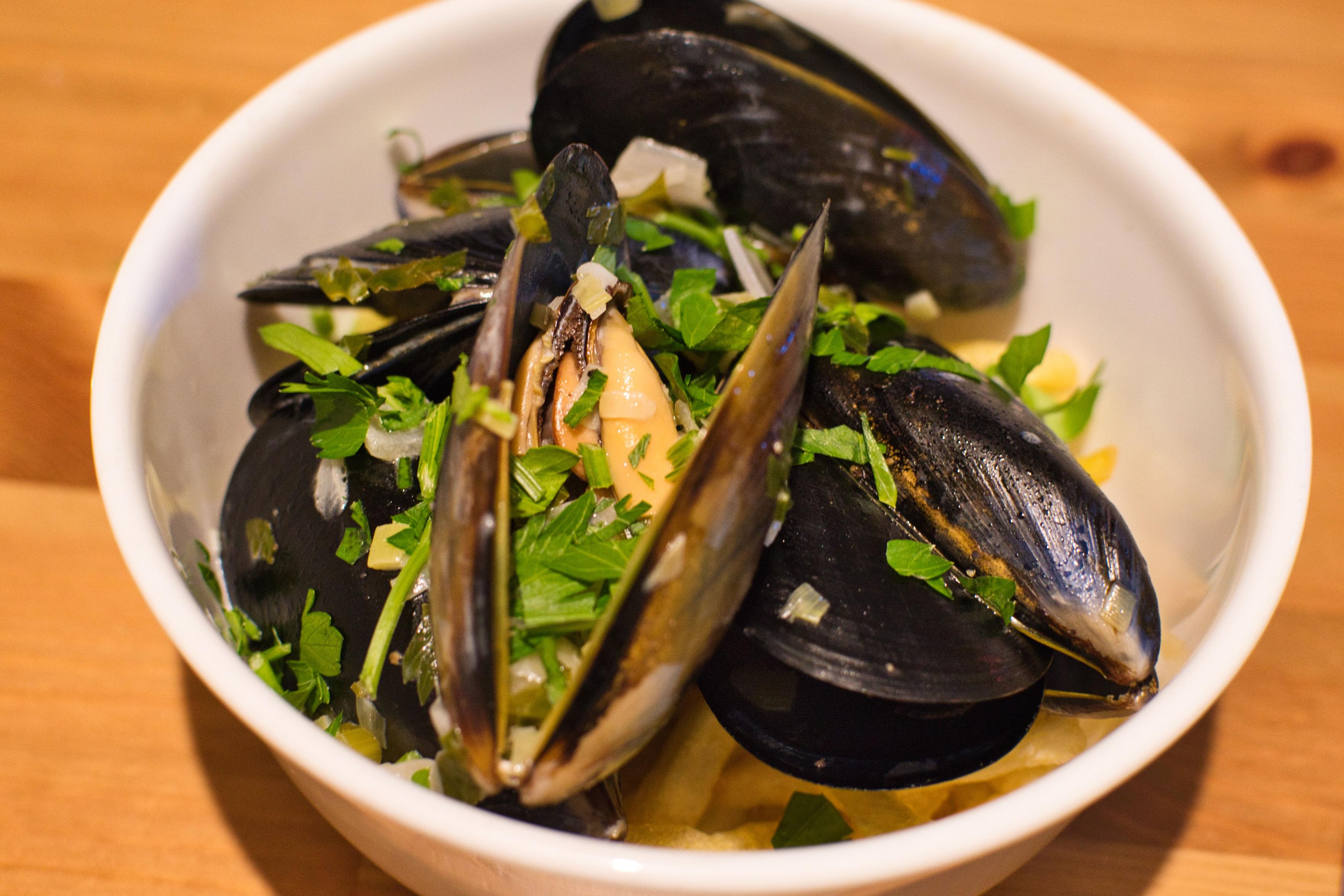
The mussels are cooked with shallot, leek, celery, white wine, thyme, and parsley, then cream added at the end