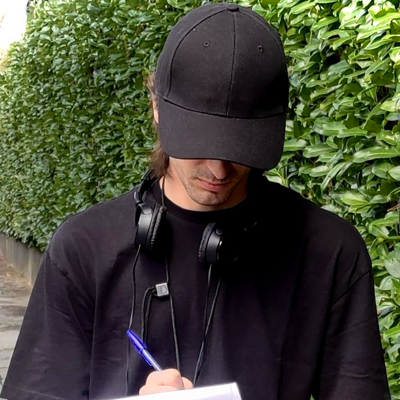
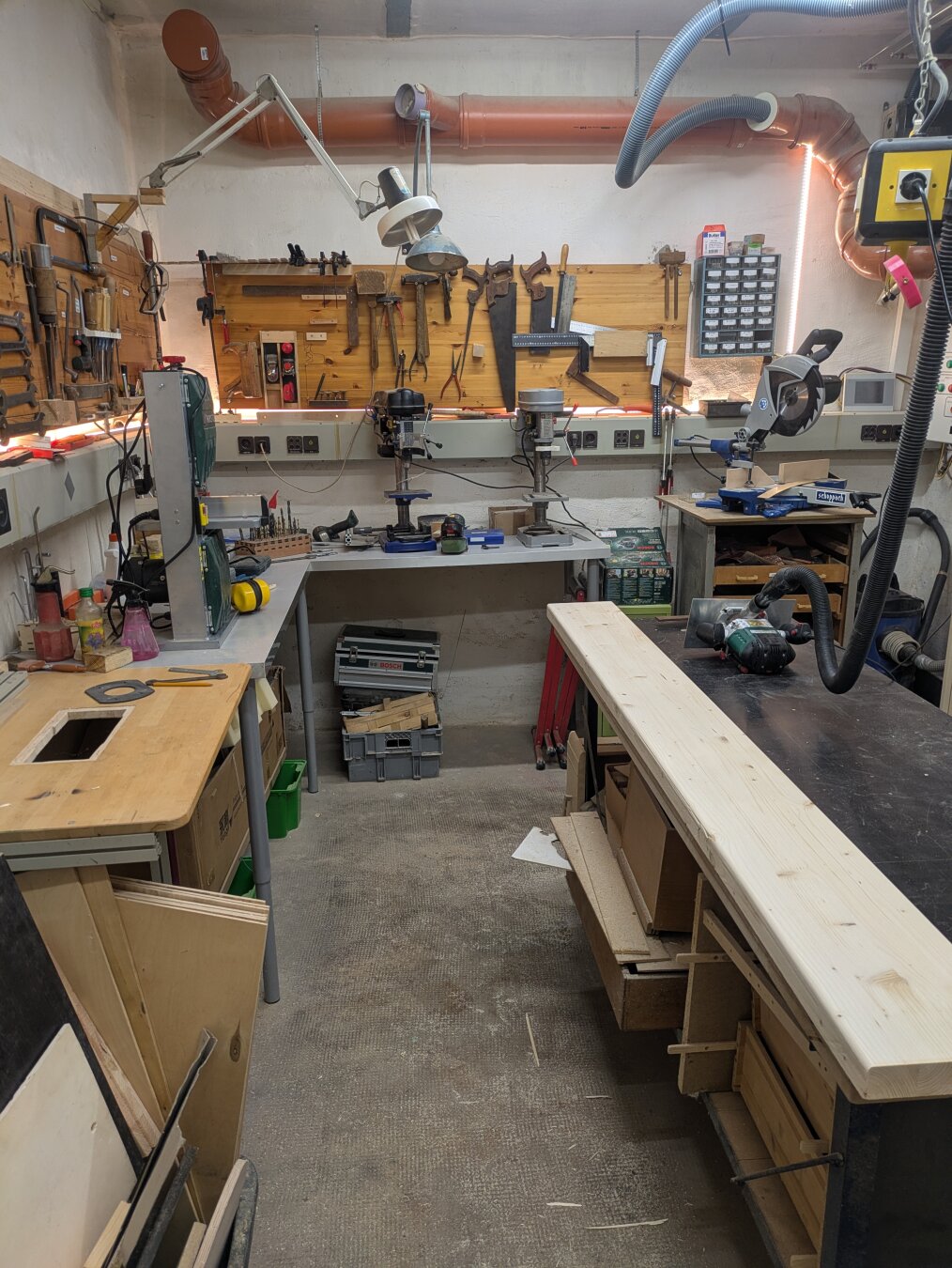
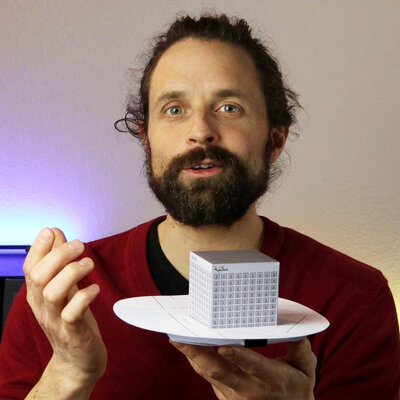
Nice reunion / gentle restart of @hackwimbledon today.
Uncategorized
2
Posts
1
Posters
2
Views
-
Nice reunion / gentle restart of @hackwimbledon today. We've not met in a long time; we lost our friend @codepope unexpectedly, earlier in the year. Making plans for 2026.
Hey wait, that was an unintentional pun! #maker 🛠️
-
Nice reunion / gentle restart of @hackwimbledon today. We've not met in a long time; we lost our friend @codepope unexpectedly, earlier in the year. Making plans for 2026.
Hey wait, that was an unintentional pun! #maker 🛠️
@hackwimbledon ... it felt weird to sit in DJ's "spot" at the front, and be doing the event hosting (rather than being a heckler!), but it was great to have the core group back together. It is clear there's a desire to keep our #maker group together, sharing knowledge, ideas, and solutions with one another.
Wimbletech - our host space and spiritual home - continues to be a very generous and welcoming environment.

Gli ultimi otto messaggi ricevuti dalla Federazione
-
Appena iniziato e ho già una voglia matta di comprare una nuova cucina
-
This post did not contain any content.
-
No no anzi, la trovo una pessima usanza, indica molto bene quanta poca considerazione ci sia della democrazia, al di là delle dichiarazioni.
-
And if I remember correctly OpenClipart hosts Public Domain svgs. I'm a proud contributor since long.
-
@aeva @eniko Sean's not accepting any new libs. but if you have it on the web somewhere, r-lyeh maintains a list https://github.com/r-lyeh/single_file_libs and the stb FAQ links to it
-
Jack Dorsey’s Block lays off 4,000, blames AI. Is it just an excuse? https://blog.quintarelli.it/2026/02/jack-dorseys-block-lays-off-4000-blames-ai-is-it-just-an-excuse/
-
@eniko it even has barycentric coordinates, that's some serious dedication and attention to detail
-
@eniko well, i would still like to peruse your take on it. love reading small libraries code ^_^
huh. i actually really like reading this kind of code. surprised that i'm not really surprised to realize this.